Grow Your Plant Family: Easy Philodendron Propagation Techniques
If you’re a fan of the lush, leafy Philodendron, you’re in for a treat. In this article, you’ll learn all about how to multiply your favorite houseplants with some simple philodendron propagation techniques.
What is Philodendron Propagation?
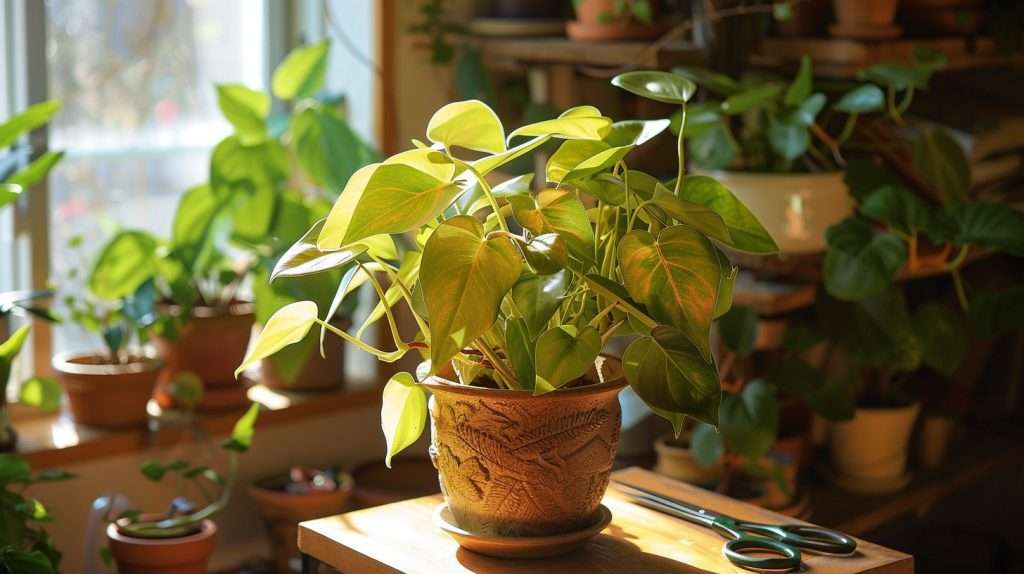
Propagation is a horticultural practice that involves creating new plants from existing ones. In the case of Philodendrons, propagation can be achieved through several methods, including stem cutting, air layering, and division.
When you propagate a Philodendron, you’re essentially cloning the parent plant. The resulting plant will have the same genetic makeup and characteristics as the original, which means your new Philodendron will bring the same beauty and botanical benefits into your home.
For more in-depth information about Philodendrons and how to care for them, check out our philodendron care tips.
Why Propagate Your Philodendron?
There are several reasons why you might want to propagate your Philodendron. First and foremost, propagation allows you to create more plants without having to purchase new ones. This not only saves you money but also gives you the satisfaction of growing your own plant family from scratch.
Secondly, propagation is a fantastic way to share your favorite plants with friends and family. A propagated Philodendron makes a thoughtful and eco-friendly gift that is sure to bring joy to any plant lover.
Lastly, propagation can be a fun and rewarding hobby. It’s fascinating to watch new roots and leaves form, and there’s a sense of accomplishment in knowing that you’ve grown a beautiful plant from a small cutting or division.
From selecting the right plant for propagation to the step-by-step propagation techniques, this guide has everything you need to get started on your plant propagation journey.
Preparing for Propagation
Before diving into philodendron propagation techniques, it’s important to properly prepare. This includes selecting a suitable philodendron plant and gathering the necessary tools and materials.
Choosing the Right Philodendron Plant
The first step in successful propagation is choosing the right mother plant. You want to select a healthy, mature philodendron that exhibits robust growth. Here are a few things to look for when choosing your plant:
- Healthy foliage: The leaves should be vibrant and free from blemishes, indicating a strong, healthy plant.
- Strong roots: The plant should have a strong root system. If you can see the roots, they should be white or light brown and firm to the touch.
- No pests or diseases: Check the plant for signs of pests or diseases. Remember, a healthy mother plant is more likely to produce healthy cuttings.
Remember, your chosen plant will be the source of your new philodendron. For more tips on maintaining the health of your philodendron, check out our philodendron care tips.
Gathering Necessary Tools and Materials
Once you’ve chosen your mother plant, it’s time to gather the necessary tools and materials for your propagation process. Here’s a basic list of what you’ll need:
- Sharp, clean pruning shears: These will be used to take cuttings from the mother plant. Make sure they’re sterilized to prevent the spread of diseases.
- Potting mix: A well-draining potting mix is essential for successful propagation. You can use a commercial potting mix or make your own. Check our article on philodendron soil requirements to understand what type of soil your new plant will need.
- Containers: You’ll need a container for rooting your cuttings. This can be a pot, jar, or even a plastic bag, depending on the propagation method you choose.
- Rooting hormone (optional): While not necessary, rooting hormone can help your cuttings establish roots more quickly.
- Plastic bag or wrap (optional): If you’re planning to use the bag or wrap method for creating a humid environment, make sure to have these on hand.
Now that you have your plant and materials ready, you’re all set to start propagating your philodendron. Whether you’re a seasoned plant parent or new to the world of propagation, this process can be a fun and rewarding way to expand your indoor garden. Dive into our step-by-step guide to philodendron propagation techniques to get started. Happy planting!
Step-by-Step Propagation Techniques
Growing your philodendron family is easier than you might think! There are multiple philodendron propagation techniques you can use. We’ll guide you through three popular methods: stem cutting propagation, air layering propagation, and division propagation.
Stem Cutting Propagation
Stem cutting is one of the easiest methods of propagating your philodendron. Here’s a simple step-by-step guide:
- Choose a healthy stem on your philodendron. Look for a stem that’s mature and has several leaves.
- Using a clean, sharp knife or pair of scissors, cut the stem just below a leaf node (the point where a leaf attaches to the stem). Make sure your cutting is about 4-6 inches long.
- Remove the lower leaves, leaving only 2-3 on the cutting.
- Place the cutting in a jar of water, ensuring that the cut end is submerged but the leaves are not.
- Leave the jar in a warm, bright location, but not in direct sunlight. Change the water every few days.
- After a few weeks, roots should start to grow from the node. Once the roots are a few inches long, you can plant the cutting in soil.
For more advice on caring for your new plant, check out our philodendron care tips.
Air Layering Propagation
Air layering is another philodendron propagation technique. It can be a bit more complex but is a great option for larger, climbing philodendron varieties.
- Select a healthy stem on your philodendron and make a small cut about halfway through the stem.
- Prop the cut open with a toothpick or small piece of wood.
- Wrap the cut area in damp sphagnum moss and then cover it with plastic wrap. Secure everything with string or twist ties.
- Keep an eye on the wrapped area. After a few weeks, roots should start to grow.
- Once a healthy root system has developed, cut the stem off below the bagged area and plant it in soil.
For more information on optimal soil conditions, check out our article on philodendron soil requirements.
Division Propagation
Division propagation is best for bushy philodendron varieties that have grown too large. This method involves physically separating the plant into smaller parts.
- Carefully remove your philodendron from its pot. If it’s difficult to remove, you might need to learn about repotting philodendron plants.
- Gently separate the root ball into two or more sections, each with several stems and a healthy root system.
- Repot each division into a suitable pot with fresh soil, ensuring that the roots are well-covered.
- Water the new plants thoroughly and place them in a warm, bright location.
Remember to be gentle during the process to minimize root damage. For post-propagation care tips, check out our indoor philodendron care guide.
By following these propagation techniques, you’ll be able to grow your philodendron family and enjoy the lush, tropical vibes these plants bring to your home!
Caring for Your New Philodendron Plant
Once you’ve successfully propagated your philodendron plant using the philodendron propagation techniques, the next step is to provide the right care. This involves understanding the ideal growing conditions and addressing common problems that may arise.
Ideal Growing Conditions
Philodendrons are tropical plants and they thrive best under conditions that mimic their natural habitat. Here’s what you should keep in mind:
Light: Philodendrons prefer bright but indirect light. Too much direct sunlight can scorch the leaves, while too little light can stunt growth. Learn more about philodendron light preferences.
Water: Water your philodendron when the top inch of soil is dry. Overwatering can lead to root rot, a common issue with houseplants. For more details on this, check our guide on philodendron watering requirements.
Soil: A well-draining soil mix is crucial for philodendrons. The soil should retain some moisture but not become waterlogged. Learn about philodendron soil requirements.
Temperature and Humidity: These plants appreciate warm and humid conditions. A temperature range of 65°F – 75°F and a humidity level above 40% is ideal.
Fertilizer: Regular feeding during the growing season helps promote lush growth. Use a balanced houseplant fertilizer and follow the instructions on the package. Find more details in our article on philodendron fertilizer needs.
Common Problems and Solutions
Despite your best efforts, you might encounter a few problems while caring for your new philodendron plant. Here are some common issues and their solutions:
Yellowing leaves: Often a sign of overwatering. Check the soil moisture levels before watering your plant. If the soil is soggy, allow it to dry out completely before watering again.
Brown leaf tips: This could indicate a lack of humidity. Try misting your plant regularly, or place it on a pebble tray filled with water to increase humidity.
Stunted growth: Inadequate light or lack of nutrients might be the cause. Move your plant to a brighter location and ensure it is receiving adequate fertilizer.
Pests: Philodendrons can be susceptible to pests like aphids and mealybugs. Regularly check your plant for signs of pests and treat as necessary.
For more detailed information on identifying and dealing with potential issues, refer to our philodendron plant troubleshooting guide.
Remember, caring for your new philodendron involves more than just watering it. It’s about creating an environment that mimics its natural habitat as closely as possible. With the right care, your philodendron will grow and thrive, adding a beautiful touch of green to your home. For more comprehensive care tips, check out our indoor philodendron care guide.
Frequently Asked Questions About Philodendron Propagation
When carrying out your own philodendron propagation, it’s natural to have questions. Here are some of the most common queries about this process.
When is the Best Time to Propagate Philodendron?
The best time to propagate your philodendron plant is during its active growth phase, usually in the late spring or early summer. This is when the plant is most focused on developing new growth and can readily produce new roots and shoots. Propagating during this period increases the likelihood of successful growth and survival of your new philodendron plant.
How Long Does Philodendron Propagation Take?
The time it takes for your propagated philodendron to root and establish itself can vary based on several factors including the propagation method used, the health of the parent plant, and the care given to the new plant.
Generally, stem cutting propagation can take anywhere from 2-6 weeks for roots to form. Air layering and division propagation methods may take a bit longer, typically around 4-8 weeks. Remember, patience is key when it comes to plant propagation!
For more information on taking care of your new philodendron plant, check out our indoor philodendron care guide.
What to Do if Your Philodendron Propagation Fails?
Don’t be discouraged if your first attempt at philodendron propagation doesn’t succeed. There are several reasons why propagation might fail including poor cutting selection, incorrect cutting methods, inadequate light, or improper watering.
If your philodendron propagation fails, try to identify what might have gone wrong. Did you take the cutting from a healthy part of the plant? Was the cutting placed in a location with appropriate light? Was the cutting kept adequately moist?
If you’re struggling, you might find our philodendron plant troubleshooting guide helpful. Remember, practice makes perfect! Each attempt at propagation is a learning experience and brings you one step closer to expanding your plant family.