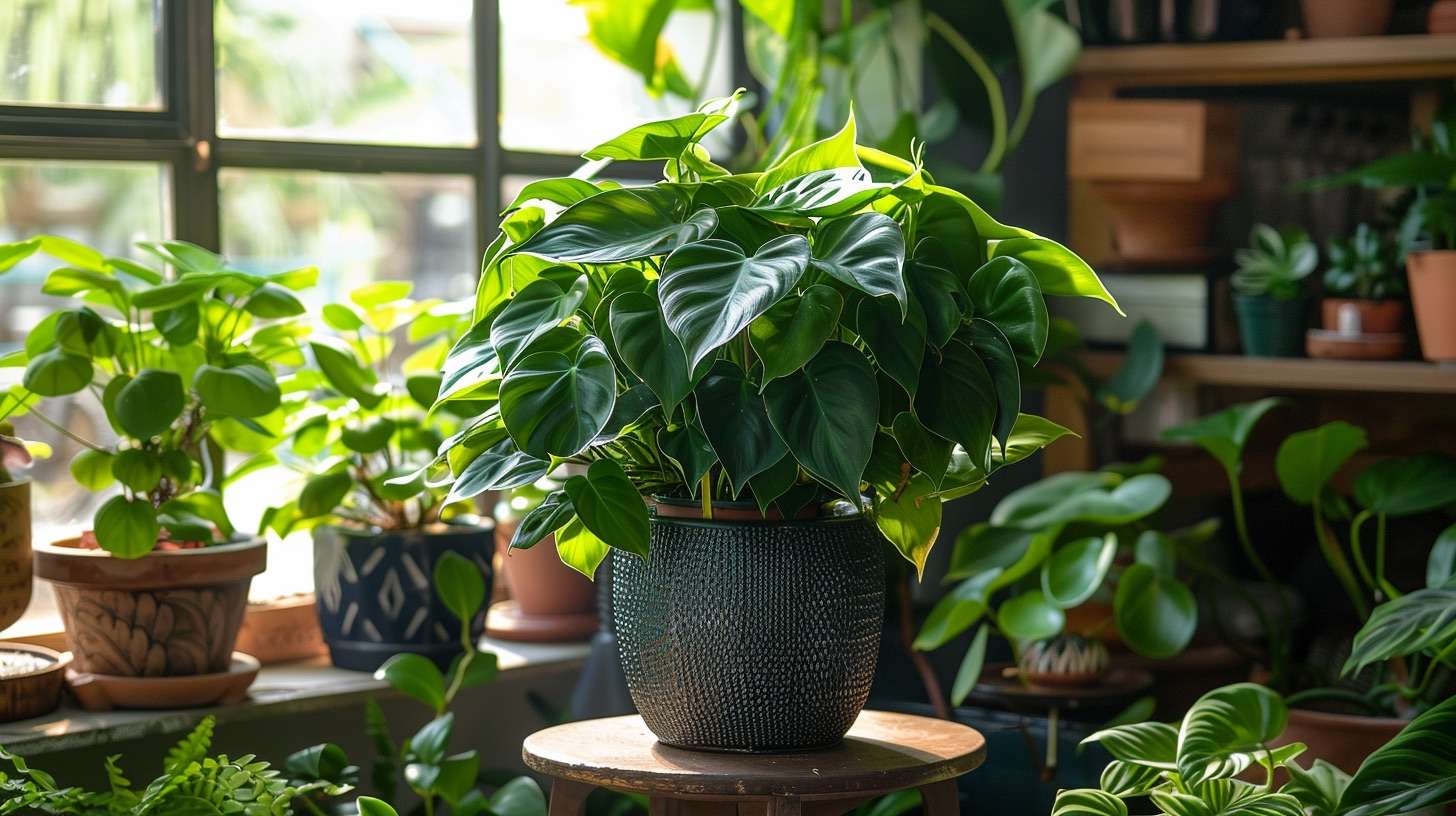
Level Up Your Plant Care: Nailing the Philodendron Soil Requirements for Vibrant Plants
Taking your first dive into the world of philodendrons? These tropical beauties are a popular choice among houseplant enthusiasts for their lush foliage and relatively low-maintenance care requirements.
But to truly allow your philodendron to thrive, it’s crucial to understand the ins and outs of their care, particularly when it comes to philodendron soil requirements.
The Basics of Philodendrons
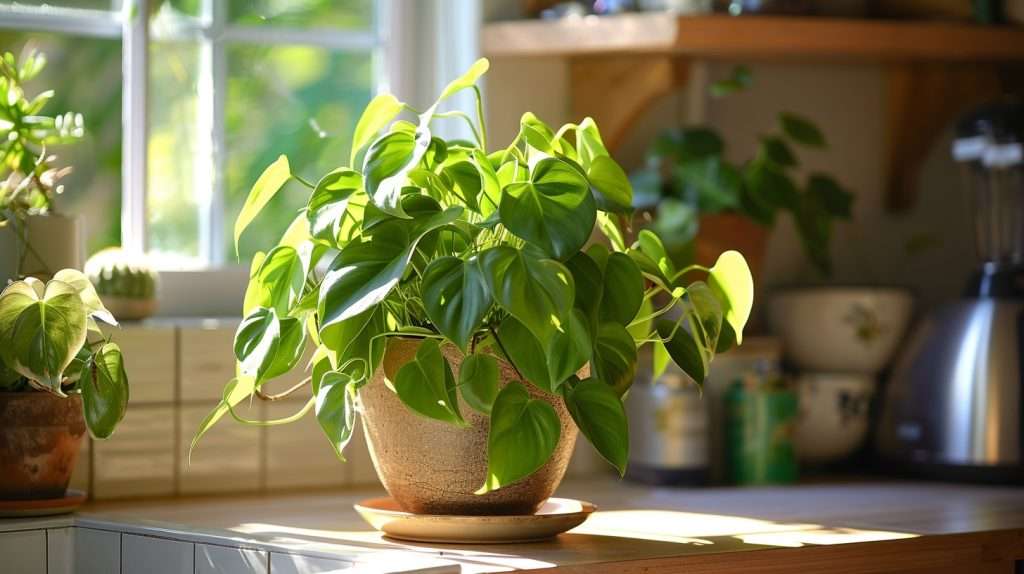
Philodendrons, native to the rainforests of South America, are known for their vibrant, heart-shaped leaves. They are climbers by nature, often using trees or other supports to grow towards the light in their natural habitat. In your home, they can be trained to climb a moss pole or simply allowed to trail from a hanging basket.
There are many types of philodendrons, each with their unique light, water, and soil preferences. However, they all appreciate a warm, humid environment that mimics their tropical origins. A well-cared-for philodendron can be a long-lasting addition to your indoor garden, with some living for many, many years. For more detailed information on their general care, check out our philodendron care tips.
Why Soil Matters
The soil you choose for your philodendron can significantly impact its health and growth. This is because soil not only provides your plant with essential nutrients, but it also influences water retention and drainage, aeration, and pH levels – all vital factors in your philodendron’s wellbeing.
Philodendrons prefer a well-draining soil that can retain some moisture without becoming waterlogged. They also benefit from a slightly acidic to neutral pH and a good supply of organic matter for nutrients. Understanding the specific philodendron soil requirements and tailoring your soil mix accordingly can make a world of difference to your plant’s growth and vitality.
In the following sections, we will delve deeper into the ideal soil conditions for philodendrons, how to prepare your own soil mix, and how to troubleshoot common soil-related issues. So, let’s embark on this journey to level up your philodendron care skills, starting from the ground up—literally!
The Ideal Soil for Philodendrons
Understanding the ideal soil for philodendrons is crucial to ensure your plant thrives. When it comes to philodendron soil requirements, keep in mind three key factors: drainage, pH, and nutrients.
Importance of Well-Draining Soil
One of the most important aspects of philodendron care is providing well-draining soil. Philodendrons don’t like to have their roots constantly wet. They prefer soil that holds moisture but drains well to prevent waterlogging. A well-draining soil helps avoid the common problem of overwatering, which can lead to root rot, a serious threat to your philodendron.
A mixture of peat, perlite, and coarse sand often works well for philodendrons. The peat retains moisture, the sand aids in drainage, and the perlite makes the soil lighter and more breathable. However, this is just a starting point. Experiment and see what works best for your plant! For more on watering, check out our guide on philodendron watering requirements.
The Role of Soil pH
Soil pH plays a significant role in the growth and health of your philodendron. Philodendrons prefer slightly acidic to neutral soil, with a pH range of 6.0 to 7.0. This pH range allows the plant to absorb nutrients effectively.
You can test your soil’s pH using a pH meter or a soil test kit. If your soil is too acidic or too alkaline, you can adjust it using specific soil amendments. For more information on this, check out our guide on philodendron plant troubleshooting.
Nutrient Requirements of Philodendrons
Philodendrons, like all plants, need nutrients for growth. They require a balanced fertilizer that contains macronutrients (nitrogen, phosphorus, and potassium) and micronutrients (like iron, manganese, and zinc).
A slow-release fertilizer applied during the growing season (spring and summer) usually satisfies philodendron’s nutrient needs. However, it’s important to follow the fertilizer package’s instructions to avoid over-fertilization, which can harm the plant. For more information on feeding your philodendron, you can visit our guide on philodendron fertilizer needs.
By understanding the importance of well-draining soil, the role of soil pH, and the nutrient requirements of philodendrons, you’ll be well on your way to providing optimal care for your plant. Remember that each plant is unique and may have slightly different needs. Always observe your plant and adjust your care routine as needed. For more philodendron care tips, head over to our indoor philodendron care guide.
Preparing Your Soil
Meeting your philodendron’s soil requirements is crucial for its healthy growth. This involves creating the right mix, adjusting the pH level, and adding the necessary nutrients.
Mixing Your Own Philodendron Soil
Philodendrons thrive in well-draining soil that can hold moisture without becoming waterlogged. A combination of peat moss, perlite, and compost or organic matter can create a suitable environment for your philodendron’s roots.
Here’s a simple recipe you can use:
- 50% peat moss
- 30% perlite
- 20% compost
Remember, this mix is just a guideline. Feel free to tweak the proportions according to the specific needs of your philodendron. For more on how to care for your plant, check out our philodendron care tips.
Adjusting Soil pH
Philodendrons prefer slightly acidic to neutral soil, with a pH range of 6.0 to 7.0. A soil pH test kit can help you determine the current pH level of your soil. If the pH is too high, you can lower it by adding sphagnum peat or a soil acidifier. On the other hand, if the pH is too low, you can raise it by adding lime. Be sure to follow the instructions on the product labels when adjusting your soil’s pH. For more information, refer to our philodendron plant troubleshooting guide.
Adding Nutrients
Philodendrons need a variety of nutrients to grow well, including nitrogen, phosphorus, and potassium. You can supply these nutrients through a balanced houseplant fertilizer. Be sure to follow the instructions on the fertilizer package to prevent over-fertilization, which can harm your plant.
In addition to these macronutrients, your philodendron also needs micronutrients like iron, manganese, and zinc. Most high-quality houseplant fertilizers will contain these micronutrients. To learn more about your plant’s nutritional needs, check out our guide on philodendron fertilizer needs.
| Nutrient | Importance for Philodendrons |
|---|---|
| Nitrogen (N) | Promotes healthy leaf growth |
| Phosphorus (P) | Encourages root development and flowering |
| Potassium (K) | Enhances overall plant health and disease resistance |
| Iron (Fe) | Necessary for chlorophyll production |
| Manganese (Mn) | Aids in photosynthesis |
| Zinc (Zn) | Plays a role in growth hormone production and enzyme function |
By taking the time to prepare your soil correctly, you’ll set your philodendron up for success. Remember, the best soil for your philodendron is one that drains well, has a pH level of 6.0 to 7.0, and is rich in necessary nutrients. Happy gardening!
Common Soil Issues
Even if you’re meeting all the philodendron soil requirements, you may still run into some common soil-related issues. Here, we’ll address overwatering and soil drainage, nutrient deficiency and soil fertility, and pH imbalance and soil acidity.
Overwatering and Soil Drainage
Overwatering is a common issue that can lead to a lack of soil drainage. When too much water is added, it can cause the soil to become waterlogged, depriving the roots of essential oxygen. If you notice that your philodendron’s leaves are yellowing or drooping, overwatering could be the culprit.
To remedy this, ensure your soil has good drainage by adding coarse materials like perlite or bark. Also, be mindful of your philodendron’s watering requirements – remember, it’s better to underwater than overwater.
Nutrient Deficiency and Soil Fertility
A lack of essential nutrients can also affect your philodendron’s health. Nutrient deficiencies often manifest as discolored or mottled leaves. To improve soil fertility, consider adding a balanced, slow-release fertilizer to the soil.
If you’re unsure about what nutrients your plant needs, refer to our guide on philodendron fertilizer needs. It’s also a good idea to test your soil periodically to identify any deficiencies and adjust your fertilizing routine accordingly.
pH Imbalance and Soil Acidity
Philodendrons prefer slightly acidic soil with a pH range of 6.0 to 7.0. If the soil becomes too acidic or too alkaline, your plant may struggle to absorb nutrients, even if they’re present in the soil. Symptoms of pH imbalance can include stunted growth and yellowing leaves.
You can test the pH of your soil using a pH testing kit. If you find that the soil is outside of the optimal range, you can adjust it by adding lime to increase the pH or sulfur to decrease it.
Remember, understanding your plant’s needs and regularly checking your plant’s soil are crucial to avoiding these issues. If you’re noticing signs of poor health, be sure to check out our philodendron plant troubleshooting guide for more insights.
Providing Ongoing Care
Once you’ve mastered the basics of philodendron soil requirements, it’s crucial to provide ongoing care to ensure your philodendron thrives.
Regular Soil Checks
Regularly checking the condition of your soil is key to healthy philodendron care. By doing this, you can catch potential issues, such as overwatering or nutrient deficiency, before they become severe.
You should check the soil’s moisture levels weekly. If the top inch of the soil is dry, it’s time to water your plant. Overwatering can lead to root rot, a common issue for philodendrons. For more information on watering, see our article on philodendron watering requirements.
It’s also beneficial to test the soil’s pH levels and nutrient content every few months. This can help you determine if adjustments are needed to keep your philodendron healthy.
When to Repot Your Philodendron
Repotting your philodendron is another essential aspect of maintaining proper soil health. Typically, you should repot your philodendron every 2-3 years. This gives the plant more space to grow and allows you to refresh the soil.
Signs that your philodendron may need repotting include: roots growing out of the drainage holes, the plant becoming top-heavy, or a noticeable slowdown in growth. For a step-by-step guide on repotting, you can check out our article on repotting philodendron plants.
Troubleshooting Soil Problems
Despite your best efforts, you may still encounter soil-related problems with your philodendron. However, don’t worry – most issues can be resolved with a bit of troubleshooting.
For instance, if your philodendron’s leaves are yellowing and falling off, this could be a sign of overwatering. On the other hand, brown leaf tips may indicate a lack of humidity or underwatering.
If your philodendron’s growth seems to have stalled despite proper watering and light conditions, it could be due to a lack of nutrients in the soil. In such a case, you may need to add a suitable fertilizer to the soil. For more information on this, see our article on philodendron fertilizer needs.
Being proactive and attentive to your philodendron’s needs will help ensure it thrives. For more advice on caring for your philodendron, check out our comprehensive indoor philodendron care guide.