Step-by-Step Guide: Repotting Philodendron Plants for Green Thumb Success
Before you delve into repotting your philodendron plant, it’s important to familiarize yourself with its unique features and care requirements. Knowing more about your plant will not only help you identify it among other houseplants, but it will also guide you in providing the best possible care for its specific needs.
Identifying a Philodendron

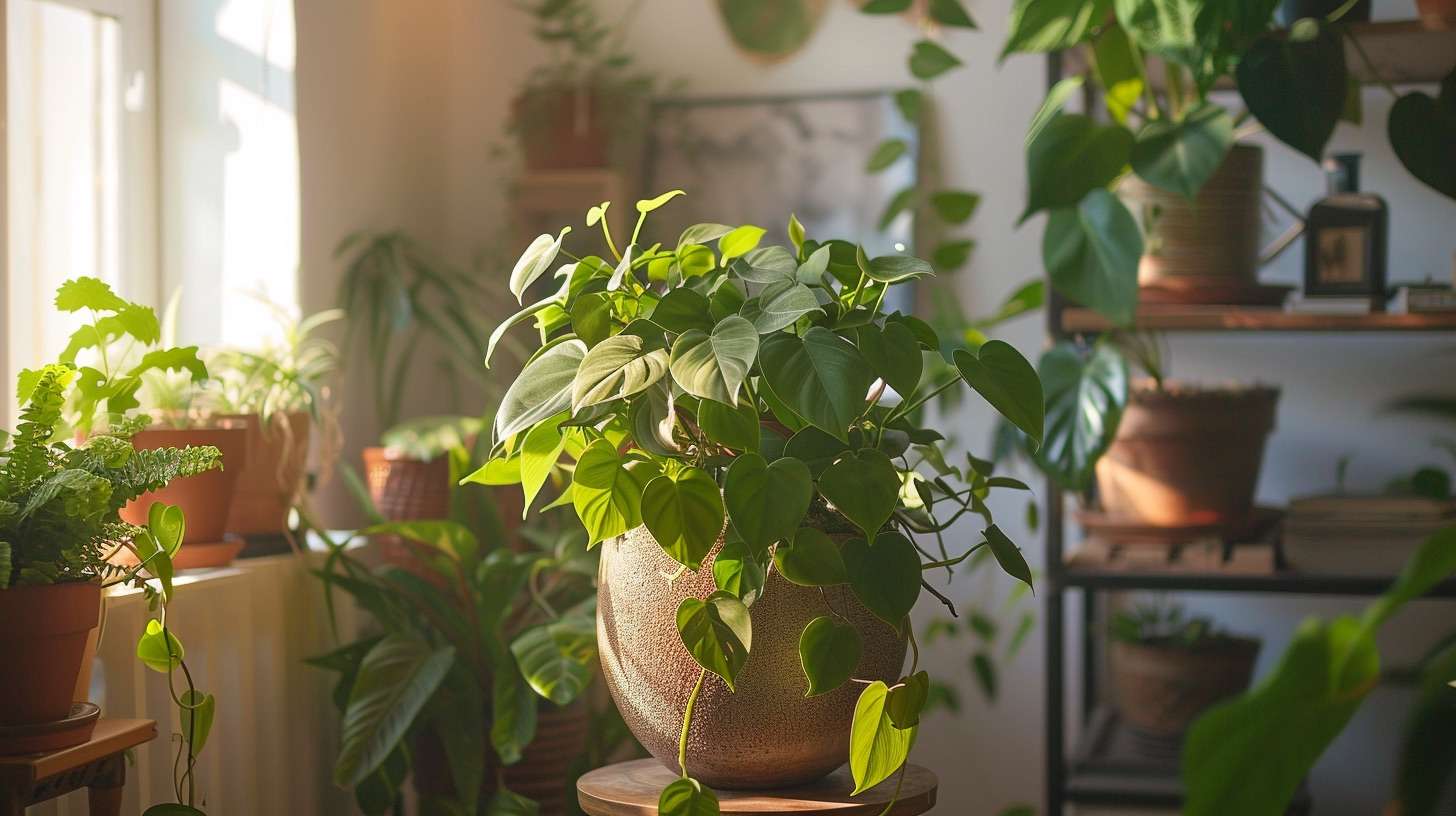
Philodendrons are a large genus of flowering plants known for their lush foliage. They come in a variety of shapes, sizes, and colors, but most philodendrons have heart-shaped leaves that are either green or variegated. Many philodendrons are climbing plants, though there are also non-climbing varieties.
One of the key features to look for when identifying a philodendron is the sheath that covers new leaves. This sheath, often called a cataphyll, dries up and falls off as the leaf matures. If you see this feature on your plant, you can be pretty confident that you’re dealing with a philodendron.
Understanding Your Philodendron’s Needs
When it comes to caring for your philodendron, there are a few key factors to consider. These plants prefer bright, indirect light, and although they can tolerate lower light conditions, their growth may be slower. For more information on your plant’s light preferences, check out our philodendron light preferences guide.
The soil you use for your philodendron should be well-draining, as these plants don’t like to sit in water. Overwatering can lead to root rot, so it’s crucial to let the top inch of the soil dry out between waterings. For more detailed information on watering and soil requirements, visit our guides on philodendron watering requirements and philodendron soil requirements.
Philodendrons are tropical plants, so they prefer a humid environment. If your home is particularly dry, you may want to consider using a humidifier or placing your plant on a tray of water to increase the humidity around it. Keep in mind that philodendrons also appreciate regular feedings with a balanced houseplant fertilizer during the growing season. Our philodendron fertilizer needs guide can provide more specifics on this topic.
Now that you’re familiar with your philodendron’s basic needs, you’re ready to tackle the task of repotting. In the following sections, we’ll guide you through the process so you can ensure your plant continues to thrive. And remember, if you ever run into any issues with your philodendron, our philodendron plant troubleshooting guide is here to help!
The Basics of Repotting
Before we dive into the steps of repotting philodendron plants, it’s essential to understand why and when this process is necessary.
When to Repot Your Philodendron
Philodendrons generally need to be repotted every 18-24 months, but the exact timing can vary depending on the plant’s growth rate and overall health. The best time to repot is in the late winter or early spring, just before the plant’s active growing season begins.
Some signs that your Philodendron may need repotting include:
- The plant has become root-bound or pot-bound (the roots take up more than half the pot or are growing out of the drainage holes)
- The plant has grown significantly and is too big for its current pot
- The plant isn’t growing as fast as it used to, despite proper care
- The soil dries out quickly, requiring more frequent watering
Why Repotting is Necessary
Repotting is a crucial part of philodendron care because it provides the plant with fresh soil and more space to grow. Over time, the nutrients in the soil can become depleted, and the plant’s roots can become crowded in the pot.
By repotting, you’re giving your Philodendron:
- A fresh supply of nutrients from the new soil
- More space for the roots to grow and spread
- Better water and air circulation for the roots
- A chance to remove any diseased or dead parts of the plant
Repotting also provides an opportunity to check the overall health of your plant and address any concerns. For example, you might discover root rot, pests, or other issues that need attention. Our philodendron plant troubleshooting guide can help you identify and address common problems.
Remember, repotting is a stressful process for plants, so it’s important to give your Philodendron some extra care after repotting. This includes placing it in a suitable location, providing the right amount of water, and monitoring its health closely. We’ll cover more about this in the “Aftercare for Your Repotted Philodendron” section.
Materials Needed for Repotting
In the process of repotting philodendron plants, a few key materials are necessary to get started. These include the right pot and the best soil for your philodendron.
Choosing the Right Pot
When it comes to choosing a pot for your philodendron, size and material matter. The new pot should be slightly larger than the current one — typically about 2 inches wider in diameter. This gives the roots enough room to grow, but not so much that they become waterlogged.
As for the material, plastic or ceramic pots are commonly used. Plastic pots are lightweight and retain moisture well, but ceramic pots can provide a more stable base for larger philodendrons. Whichever type you choose, ensure that it has drainage holes at the bottom to prevent water from accumulating and causing root rot.
Here’s a quick guide for choosing pot sizes:
| Current Pot Size | Recommended New Pot Size |
|---|---|
| 4 inches | 6 inches |
| 6 inches | 8 inches |
| 8 inches | 10 inches |
Selecting the Best Soil
Philodendrons prefer well-draining soil. A good mix would be peat-based potting soil with plenty of perlite or coarse sand to improve drainage. Some philodendron enthusiasts also add a bit of activated charcoal to the mix, which helps to purify the soil and prevent fungal or bacterial growth.
The pH of the soil should be slightly acidic, typically between 6.0 and 6.5. This can usually be achieved with the peat-based mix, but if you’re unsure, you can use a pH test kit to confirm.
Here’s a simple recipe for philodendron soil mix:
| Ingredient | Proportion |
|---|---|
| Peat-based potting soil | 60% |
| Perlite or coarse sand | 30% |
| Activated charcoal (optional) | 10% |
When you have your pot and soil ready, you’re all set to start the repotting process. Remember, it’s critical to handle your philodendron gently during this process to avoid damaging its root system. More information about this can be found in our philodendron care tips article.
Next, let’s move on to the step-by-step guide to repotting your philodendron. Keep your materials at hand and let’s dive right in!
Step-by-Step Guide to Repotting Philodendron Plants
Repotting your philodendron is a straightforward process that can help your plant thrive. By following these steps, you can ensure that your philodendron gets the fresh start it needs.
Step 1: Preparing the New Pot
Before you begin the repotting process, it’s crucial to prepare the new pot. Choose a pot that is one to two sizes larger than the current pot, ensuring it has ample drainage holes. A well-draining pot is critical to prevent waterlogging and root rot.
Cover the bottom of the pot with a layer of fresh potting soil, which should ideally be a well-draining mix tailored to philodendrons. You can learn more about the soil requirements for these plants in our philodendron soil requirements article.
Step 2: Removing the Philodendron from the Old Pot
Next, gently remove the philodendron from its current pot. Tap the sides of the pot to loosen the soil and carefully lift the plant out, taking care not to damage the roots. If the plant is firmly rooted in, you might need to use a knife to carefully cut along the inner edge of the pot to loosen the root ball.
Step 3: Placing Your Philodendron in the New Pot
Place your philodendron in the new pot, centering it, and ensuring that the top of the root ball is about an inch below the rim of the pot. This placement allows for sufficient space to add more soil and for watering.
Step 4: Adding Soil and Watering
Fill in the space around the root ball with fresh potting soil, pressing it gently to ensure it fills in any air pockets. Water the soil thoroughly until water comes out of the drainage holes, then allow the pot to drain completely.
Finally, place the newly potted philodendron in a location that meets its light requirements, which you can find in our article on philodendron light preferences.
Repotting is a critical part of philodendron care, and by following these steps, you’ll be well on your way to ensuring your philodendron thrives in its new home. For more tips on caring for your philodendron, check out our indoor philodendron care guide.
Aftercare for Your Repotted Philodendron
Once you’ve completed the process of repotting philodendron plants, it’s essential to provide the right care to ensure your plant thrives in its new home. This includes understanding the light requirements, watering and fertilizing needs, and monitoring your plant’s health.
Position and Light Requirements
Philodendrons generally prefer bright, indirect light, although they can tolerate lower light conditions. However, too much direct sunlight can cause the leaves to burn. In terms of positioning, try to place your repotted philodendron in a spot where it can receive the right amount of light. North or east-facing windows are usually ideal. To learn more about what your philodendron needs in terms of light, check out our article on philodendron light preferences.
Watering and Fertilizing Your Philodendron
Watering your repotted philodendron correctly is crucial for its growth. Generally, philodendrons prefer their soil to be kept slightly moist. Therefore, you should aim to water your plant when the top inch of soil feels dry to the touch. However, be careful not to overwater as this can lead to root rot. Visit our guide on philodendron watering requirements for more detailed information.
As for fertilizing, feed your philodendron with a balanced houseplant fertilizer once a month during the growing season. This helps to replenish the nutrients in the soil and promotes healthy growth. Check out our article on philodendron fertilizer needs to get a better understanding of how to fertilize your plant.
Monitoring Your Philodendron’s Health
After repotting, monitor your philodendron’s health by checking its leaves and growth. Healthy philodendrons usually have vibrant green leaves. If you notice any yellowing or browning, it could be a sign of overwatering, under-watering, or a nutrient deficiency.
Also, keep an eye on the new growth. If your philodendron is thriving, you’ll see new leaves sprouting regularly. If the growth seems stunted, it could be due to inadequate light or nutrients.
Remember, every plant can experience stress after repotting, and your philodendron is no exception. If you notice wilting right after you repot, give your plant some time to adjust to its new surroundings. If the wilting continues for several weeks, it might be worth checking out our philodendron plant troubleshooting guide.
Your repotted philodendron requires consistent care, but with attention to positioning, light, watering, and fertilizing, it will continue to flourish and grow. Keep monitoring it, enjoy the process, and don’t forget to celebrate every new leaf as a sign of your green thumb success!