Sunshine Quest: Unveiling Philodendron Light Preferences to Know for a Healthy, Happy Plant
Welcome to the world of philodendrons! These houseplants are a favorite among indoor gardeners and for good reason. They’re not just beautiful but also relatively easy to care for.
What are Philodendrons?
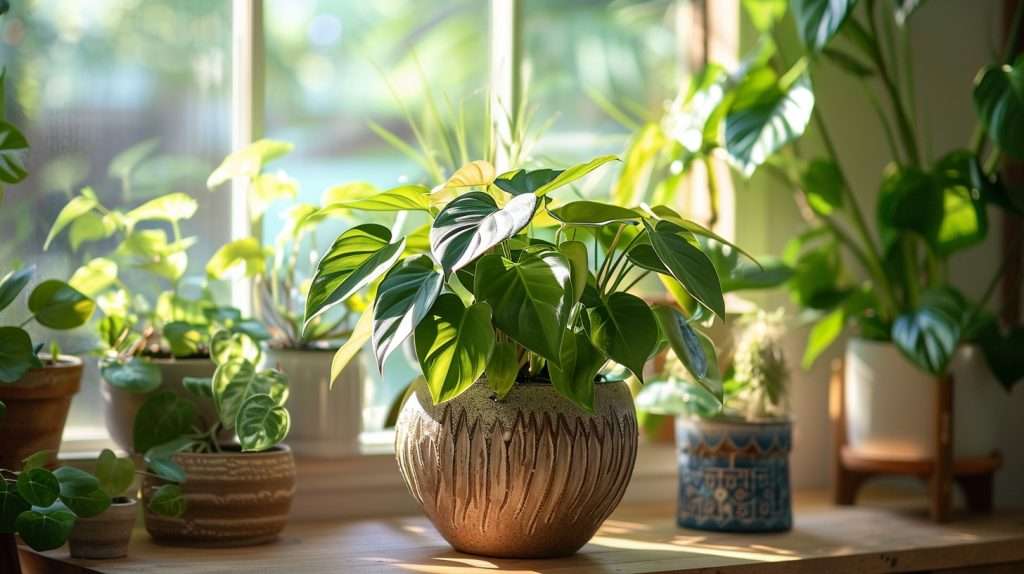
Philodendrons are tropical plants renowned for their lush, vibrant foliage. They belong to the Araceae family and feature over 400 different species, ranging from vining to non-climbing varieties. Whether you’re a novice plant parent or a seasoned green thumb, you’ll find a philodendron that suits your preferences and indoor gardening style.
These plants are native to the rainforests of South America and the Caribbean, but they’ve found their way into homes worldwide due to their adaptability and aesthetic appeal. While their light preferences vary depending on the species, most philodendrons thrive in bright, indirect light – a key aspect of philodendron care that we’ll delve deeper into in this article.
Basic Care for Philodendrons
Caring for philodendrons involves understanding their basic needs, including light, water, soil, and temperature requirements. While this article focuses primarily on philodendron light preferences, it’s important to understand some general care tips as well.
Philodendrons prefer a bright spot with indirect light. Direct sunlight can cause leaf burn, while too little light can lead to leggy growth and fewer leaves.
Watering needs depend on the plant’s size, potting mix, and environment. As a rule, let the top inch of soil dry out between waterings to avoid overwatering. For more details, check out our guide on philodendron watering requirements.
The ideal soil for philodendrons is well-draining and rich in organic matter. A mixture of peat moss, perlite, and compost works well for these plants. Learn more about philodendron soil requirements in our dedicated article.
Philodendrons enjoy warm indoor temperatures ranging between 65°F and 75°F. They also appreciate high humidity levels, typical of their tropical origin.
Remember, each philodendron species may have unique care requirements. Always research your specific plant type to ensure it receives the care it needs. For a comprehensive guide on philodendron care, don’t forget to check out our indoor philodendron care guide.
Now that you have a basic understanding of what philodendrons are and their general care needs, let’s dive into the specifics of their light preferences, the focus of this article. Happy planting!
Understanding Light Preferences
Understanding the light preferences of your philodendron plant can make a significant difference in its overall health and growth. This section will delve into why light matters for philodendrons and the different types of light that can affect your plant.
Why Light Matters for Philodendrons
Light is an integral component of a plant’s photosynthesis process, where the plant converts light, water, and carbon dioxide into glucose for food. Philodendrons are no exception to this. The right amount of light can help your philodendron flourish, encouraging lush leaves and robust growth.
If your philodendron receives too much light, it can lead to leaf burn, where the leaves turn yellow or brown and become crispy. On the other hand, too little light can result in leggy growth, with your plant stretching towards the light and producing smaller, fewer leaves.
The key lies in finding the right balance of light exposure for your specific philodendron plant, as its light preferences can vary based on its species and the conditions it’s been accustomed to. For more detailed care tips, check out our comprehensive indoor philodendron care guide.
Understanding Different Types of Light
When we talk about “light” for plants, it’s not as simple as just sunlight or artificial light. There are different types of light that you should be aware of:
Direct Light: This is sunlight that hits the plant directly without any obstruction. While some plants thrive under direct light, most philodendrons prefer to avoid it as it can be too intense and cause leaf burn.
Indirect Light: This is sunlight that has been diffused or reflected. It’s less intense than direct light, and it’s usually the ideal type of light for philodendrons. A spot near a north-facing window or a few feet away from a south or west-facing window often provides good indirect light.
Low Light: This doesn’t mean no light, but rather dim light conditions. While philodendrons can tolerate low light, their growth may slow down, and their leaf color may become less vibrant.
Artificial Light: This refers to light from indoor lighting fixtures. Fluorescent lights or grow lights can be a good source of light for philodendrons, especially in spaces with few windows.
Understanding these different types of light can help you better cater to your philodendron’s needs and create an optimal growing environment. Remember, it’s not just about the quantity of light but also its quality. Observing your plant’s reactions to different light conditions can give you valuable insights into its ‘philodendron light preferences’, and guide you in providing the best care for your leafy friend. For more on troubleshooting your philodendron’s light conditions, have a look at our philodendron plant troubleshooting guide.
Philodendrons and Sunlight
Understanding the light preferences of your philodendron is a key part of maintaining its health and vitality. Let’s explore the ideal sunlight conditions for these plants, and what happens when they receive too much or too little light.
Ideal Sunlight Conditions for Philodendrons
Philodendrons generally prefer bright, indirect sunlight. This means placing them near a window where they can bask in the sunlight, but not directly under the harsh rays. The ideal light intensity for philodendrons can be described as dappled, like the light filtering through a curtain or a canopy of trees.
| Light Intensity | Description | Ideal for Philodendrons |
|---|---|---|
| Low Light | No direct sunlight, usually an interior room with little to no windows | No |
| Medium Light | No direct sunlight, near a north-facing window or a few feet away from an east/west window | Yes |
| Bright Indirect Light | Near an east/west window, but out of direct sunlight or near a south window but protected by sheer curtains | Yes |
| Direct Light | In direct sunlight for most of the day, usually a south-facing window | No |
What Happens When Philodendrons Get Too Much Sunlight?
Too much direct sunlight can harm your philodendron. The intense light can cause leaf burn, leading to yellow or brown patches on the leaves. Over time, this can stunt the growth of your plant and even cause it to wilt. If you notice these signs, consider moving your plant to a location with more suitable light conditions. For more help, check out our philodendron plant troubleshooting guide.
What Happens When Philodendrons Get Too Little Sunlight?
On the other hand, too little light can also be detrimental to your philodendron. If your plant isn’t getting enough light, you may notice the leaves becoming pale or the stems becoming leggy as the plant stretches towards the light. The growth of the plant may also slow down. If your philodendron is showing these signs, try moving it to a brighter location.
Remember, understanding your philodendron’s light preferences is just one aspect of plant care. You also need to pay attention to other factors like watering, soil type, and temperature to keep your philodendron healthy. Visit our indoor philodendron care guide for more comprehensive information.
Adjusting Your Philodendron’s Light Conditions
Understanding your philodendron’s light preferences is key to its health and growth. Here’s how you can adjust the light conditions in your home and recognize signs of light stress in your philodendron.
How to Adjust Light Conditions in Your Home
Managing the light conditions in your home for your philodendron can seem daunting, but it’s simpler than you think. Here are some steps you can take:
Identify the Light Source: Start by identifying the direction of the light source. Windows facing south or west usually get the most sunlight, while those facing north or east receive less intense light.
Adjust the Distance from the Light Source: Once you’ve identified the light source, you can adjust the distance of your philodendron from it. If your plant needs more light, move it closer to the window. If it’s getting too much light, move it further away or consider using a sheer curtain to filter the sunlight.
Rotate Your Plant: To ensure even exposure, rotate your philodendron every few weeks. This prevents your plant from growing lopsided towards the light source.
Use Artificial Lights: If you’re in a low-light environment or if it’s winter, you can use artificial lights like fluorescent or LED lights to supplement the natural light.
Remember, each philodendron variety may have different light requirements, so it’s important to understand your specific plant’s needs. For more in-depth care tips, check out our indoor philodendron care guide.
Recognizing Signs of Light Stress in Your Philodendron
Recognizing signs of light stress in your philodendron is crucial as it allows you to adjust the light conditions before it leads to more serious problems. Here’s what to look out for:
Too Much Sunlight: If your philodendron is receiving too much light, the leaves may turn yellow or become scorched, appearing bleached or having brown crispy edges.
Too Little Sunlight: On the other hand, if your philodendron isn’t getting enough light, it may display slow growth, have larger than usual spaces between leaves or the leaves may turn dark green. In severe cases, the lower leaves may start to fall off.
In both cases, the best course of action is to adjust the light conditions as described above. Also, remember to consider other factors like watering, soil condition, and temperature, as these can also affect your philodendron’s health. For more troubleshooting tips, check out our article on philodendron plant troubleshooting.
Taking the time to understand your philodendron’s light preferences and adjusting the conditions accordingly will ensure your plant thrives and brings you joy for many years to come.
Other Factors Influencing Philodendron Health
While understanding your philodendron’s light preferences is key to its health and growth, there are several other factors that play an equally crucial role. Here, we’ll delve into the importance of watering and humidity, soil and fertilizer, and temperature and air circulation for your philodendron’s well-being.
Importance of Watering and Humidity
Watering is a critical aspect of philodendron care. These tropical plants prefer a consistent watering schedule. However, they are also susceptible to both overwatering and underwatering. An ideal watering routine involves keeping the soil moist, but not waterlogged. You can check our detailed guide on philodendron watering requirements for more information.
Philodendrons also thrive in high humidity, which mimics their natural tropical habitat. You can maintain optimal humidity levels by misting your philodendron regularly or placing it on a tray filled with water and pebbles.
| Philodendron Care | Requirement |
|---|---|
| Watering | Keep soil moist, not waterlogged |
| Humidity | High |
Importance of Soil and Fertilizer
The type of soil you use for your philodendron plays a significant role in its health. Philodendrons prefer well-draining soil that retains just enough moisture without becoming waterlogged. For a deeper understanding of soil requirements, refer to our philodendron soil requirements article.
Fertilizing your philodendron can also promote healthy growth. A balanced, water-soluble fertilizer applied during the growing season can provide the nutrients your plant needs. Remember to follow the instructions on the fertilizer package to avoid over-fertilizing. Visit our philodendron fertilizer needs page for more details.
| Philodendron Care | Requirement |
|---|---|
| Soil | Well-draining |
| Fertilizer | Balanced, water-soluble during growing season |
Importance of Temperature and Air Circulation
Temperature and air circulation are two more factors that can influence your philodendron’s well-being. As tropical plants, philodendrons prefer warm temperatures between 65°F and 80°F. They are not frost-tolerant and can suffer damage in cold temperatures.
Good air circulation can help prevent pest infestations and diseases, especially fungal diseases. However, avoid placing your philodendron in drafty areas or directly in front of air conditioning or heating vents. Read our indoor philodendron care guide for more tips on temperature and air circulation.
| Philodendron Care | Requirement |
|---|---|
| Temperature | 65°F – 80°F |
| Air Circulation | Good, but avoid drafts |
By considering these factors along with your philodendron’s light preferences, you can create an optimal environment for your plant to thrive. Remember: every philodendron is unique, and what works for one plant might not work for another. It’s all about observing your plant and responding to its needs. Happy growing!