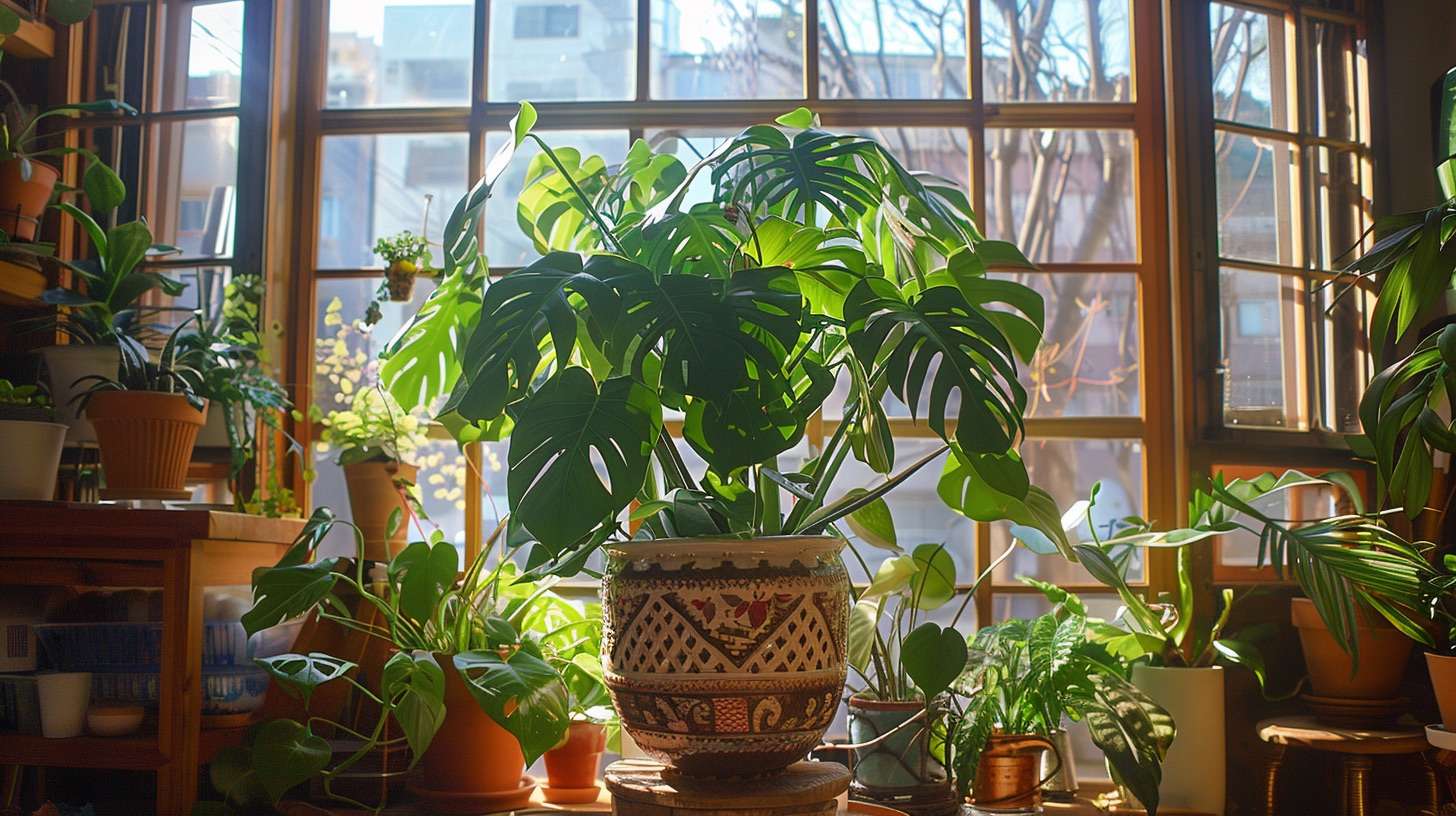
The Key to Healthy Plants: Indoor Philodendron Care Guide Unveiled
Before diving into our detailed indoor philodendron care guide, let’s take a moment to understand what a philodendron is and why it’s a great choice for indoor gardening.
What is a Philodendron?

Philodendron is a large genus of flowering plants from the Araceae family. Known for their lush foliage and easy care, these tropical plants are native to tropical regions of the Americas. They come in a variety of shapes and sizes, from trailing vines to large upright types, and are renowned for their air-purifying qualities.
Why Choose Philodendrons for Indoor Gardening?
Philodendrons make an excellent choice for indoor gardening for several reasons. Firstly, they are incredibly adaptable and can thrive in a variety of indoor environments. Whether you’ve got a bright, sun-filled room or a shady corner, there’s a philodendron that can fit your space.
Secondly, they are relatively low-maintenance, making them ideal for both beginner and seasoned plant enthusiasts. They don’t require complex care routines or specialized conditions to flourish. With just a few essential care practices, you can keep your philodendron happy and healthy. For more detailed information, you can check out our article on philodendron care tips.
Lastly, philodendrons are known for their stunning visual appeal. With their vibrant green leaves and unique forms, they add a touch of natural beauty to any indoor space. Some varieties also have variegated foliage, adding an extra layer of visual interest.
Different Types of Philodendrons
There are hundreds of different types of philodendrons, each with its own unique characteristics. Here are a few popular types you might come across:
Heartleaf Philodendron (Philodendron hederaceum): Best known for its heart-shaped leaves and trailing growth habit, this is one of the easiest philodendrons to care for.
Split-leaf Philodendron (Philodendron bipinnatifidum): This variety stands out for its large, deeply cut leaves. It’s a great choice if you’re looking for a statement plant.
Fiddleleaf Philodendron (Philodendron panduriforme): This variety has fiddle-shaped leaves and prefers a bit more light than other types.
Each type of philodendron has slightly different care requirements, so it’s important to tailor your care routine to the specific needs of your plant. But don’t worry – we’ll cover all the basics in this indoor philodendron care guide to help you keep your plant thriving.
Indoor Philodendron Care Guide
When it comes to indoor gardening, Philodendron plants are a top notch selection. Known for their lush green leaves and easy maintenance, these tropical plants can thrive indoors with the right care. In this section, we will unveil the key aspects of our indoor Philodendron care guide, covering the ideal environment, watering techniques, light and temperature needs, and nutrient requirements.
Ideal Environment for Your Philodendron
Just like any indoor plant, Philodendrons thrive when their environment mirrors their natural habitat. These tropical plants prefer a humid environment, so consider placing your Philodendron in a well-ventilated area of your home with a relative humidity level of around 40-60%. You can also consider placing a tray with water near your plant or use a humidifier to maintain the humidity levels. For more details, check out our article on philodendron care tips.
Proper Watering Techniques
When it comes to watering, Philodendrons prefer their soil to be consistently moist but not waterlogged. A good rule of thumb is to water your Philodendron when the top inch of the soil feels dry to the touch. Avoid overwatering as this can lead to root rot, a common problem in Philodendrons. For a more comprehensive guide on watering, read our article on philodendron watering requirements.
Importance of Light and Temperature
Light and temperature play a vital role in the growth of your Philodendron. These plants prefer bright, indirect light. Too much direct sunlight can burn the leaves, while too little light can lead to slow growth and yellowing leaves. As for temperature, Philodendrons thrive in temperatures between 65°F and 75°F. Avoid placing your plant in areas with drafty windows or near air conditioning and heating vents. For more information on the ideal lighting conditions for your Philodendron, visit our page on philodendron light preferences.
Nutrient Needs
Philodendrons are not heavy feeders, but they do benefit from regular feeding, especially during their growing season. Use a balanced, water-soluble fertilizer and follow the instructions on the package for application rates. Do remember to water your plant thoroughly before and after applying fertilizer to prevent root burn. For a detailed overview of your Philodendron’s nutrient needs, check out our article on philodendron fertilizer needs.
Caring for your Philodendron can be a rewarding experience. With the right environment, watering regimen, light and temperature conditions, and nutrient requirements, your Philodendron can thrive and become a beautiful addition to your indoor garden. For any troubles and concerns, our philodendron plant troubleshooting guide can be a helpful resource.
Common Philodendron Problems and Solutions
Like all plants, philodendrons can encounter a few issues. In this part of our indoor philodendron care guide, we’ll look at common problems you might face and how to solve them.
Yellowing Leaves
Yellowing leaves are a common issue in philodendrons. This is often a sign of overwatering. When you notice your philodendron’s leaves turning yellow, check the soil. If it’s too wet, adjust your watering schedule. You can find more information on philodendron watering requirements in our guide.
Wilted or Droopy Leaves
If your philodendron’s leaves are wilting or drooping, it might be due to lack of water, low humidity, or insufficient light. Make sure you’re watering your plant adequately but not excessively. Your philodendron may also need more humidity or light. Check out our articles on philodendron light preferences for more details.
Brown Spots on Leaves
Brown spots on your philodendron’s leaves can be a symptom of a few issues: over-fertilization, sunburn, or a disease. If you’ve been feeding your plant too much, cut back on the fertilizer. For more information on philodendron fertilizer needs, see our guide.
If the brown spots are on the side of the plant facing the window, it might be getting too much direct sunlight. Move your plant to a location with bright, indirect light.
If you’ve ruled out other issues, your plant could have a fungal or bacterial disease. Remove the affected leaves and ensure your plant has good airflow to prevent further infection.
Prevention and Treatment Methods
Preventing issues with your philodendron involves regular care and monitoring. Ensure your plant has the right light, water, and soil conditions. Regularly check your plant for signs of pests or disease.
If you spot a problem, act quickly. Remove affected leaves, adjust your care routines, and consider using a suitable plant treatment if necessary. Most problems can be reversed if caught early, so don’t be discouraged!
For more help, check out our philodendron plant troubleshooting guide. It’s packed with tips and solutions to keep your philodendron healthy and thriving. Happy gardening!
Propagation and Repotting
Growing your philodendron doesn’t stop at mere maintenance. You can propagate new plants from your existing one and repot them as they grow. Here’s how you can do it.
When and How to Propagate Your Philodendron
Philodendrons are relatively easy to propagate. The best time to propagate your philodendron is during spring or early summer when the plant is actively growing. During this period, the plant will have the energy and resources needed to develop new roots and shoots.
To propagate your philodendron, follow these steps:
- Identify a healthy stem on your philodendron with several leaves.
- Cut the stem below a leaf node, which is where a leaf attaches to the stem. The cut should be about 3 to 6 inches long.
- Remove the lower leaves, leaving only a few at the top of the stem cutting.
- Place the stem cutting in a glass of water, making sure the cut end is submerged but the remaining leaves are not.
- Change the water every few days to prevent bacteria buildup.
- Wait for roots to grow from the submerged nodes, which should take about 2 to 3 weeks.
- Once the roots are about 1 to 2 inches long, the cutting is ready to be planted in soil.
Remember, successful propagation depends on various factors like temperature, humidity, and light. For more detailed information on propagation, check out our article on philodendron propagation techniques.
How to Repot Your Philodendron Safely
As your philodendron grows, it may outgrow its current pot. Repotting gives your plant more room to grow and replenishes the nutrients in its soil. Here’s how you can safely repot your philodendron:
- Choose a new pot that is 1 to 2 inches larger in diameter than the current pot.
- Add a layer of fresh potting mix at the bottom of the new pot.
- Carefully remove the philodendron from its current pot, trying not to disturb the roots too much.
- Place the plant in the new pot, making sure it’s at the same depth as it was in the old pot.
- Fill the rest of the pot with potting mix, lightly patting it down around the roots.
- After repotting, water your philodendron thoroughly.
Remember to monitor your plant closely after repotting as it adjusts to its new home. It’s normal for repotted plants to show signs of stress, like wilting or yellowing leaves, but these should improve with proper care. For more tips on repotting, have a look at our article on repotting philodendron plants.
By learning how to propagate and repot your philodendron, you can multiply your plants and keep them growing strong for years to come. With the right knowledge and a little practice, you’ll be on your way to becoming a philodendron expert!
Tips for a Thriving Philodendron
With the right care, your Philodendron can grow into a lush, vibrant houseplant. Here are some tips to help you maintain your Philodendron and keep it looking its best.
Regular Maintenance and Care
Just like any plant, Philodendrons require regular care to stay healthy. This includes watering, feeding with the right nutrients, and providing the ideal environment for growth.
Watering your Philodendron correctly is essential. These plants prefer to dry out slightly between waterings, so be sure not to overwater. You can learn more about the philodendron watering requirements in our comprehensive guide.
Feeding your Philodendron with a balanced houseplant fertilizer can also make a big difference in its growth and overall health. We have a detailed article on philodendron fertilizer needs that you can check out.
Lastly, make sure your Philodendron is in an environment that it loves. This means placing it in an area with the right amount of light and temperature. Learn more about philodendron light preferences here.
Spotting Early Signs of Stress
Keeping an eye out for early signs of stress in your Philodendron can help prevent serious problems down the line. If you notice changes in leaf color, spots on leaves, or droopy leaves, your plant could be telling you that it needs help.
Our philodendron plant troubleshooting guide includes a detailed list of symptoms and solutions that can help you identify and address common Philodendron problems.
Keeping Your Philodendron Healthy and Beautiful
A healthy Philodendron is a sight to behold, and with a little care, you can keep your plant looking its best.
One essential aspect of Philodendron care is regular pruning. This not only helps maintain the shape of your plant but also encourages new growth. You can learn more about pruning philodendron plants in our guide.
And don’t forget about repotting. As your Philodendron grows, it may outgrow its pot and need more space. Our article on repotting philodendron plants is a step-by-step guide that can help you through the process.
Remember, a thriving Philodendron starts with you. By understanding your plant’s needs and providing the right care, you can enjoy the beauty of a healthy Philodendron in your indoor garden.