Unlocking the Secret: Philodendron Watering Requirements Made Easy
Philodendrons are a family of plants that have captured the hearts of houseplant enthusiasts worldwide. With their lush, tropical foliage and relatively easy care requirements, it’s no surprise that they’re a favorite among indoor gardeners. In this section, we’ll introduce you to the world of philodendrons and philodendron watering requirements.
Brief Overview of Philodendron Plants
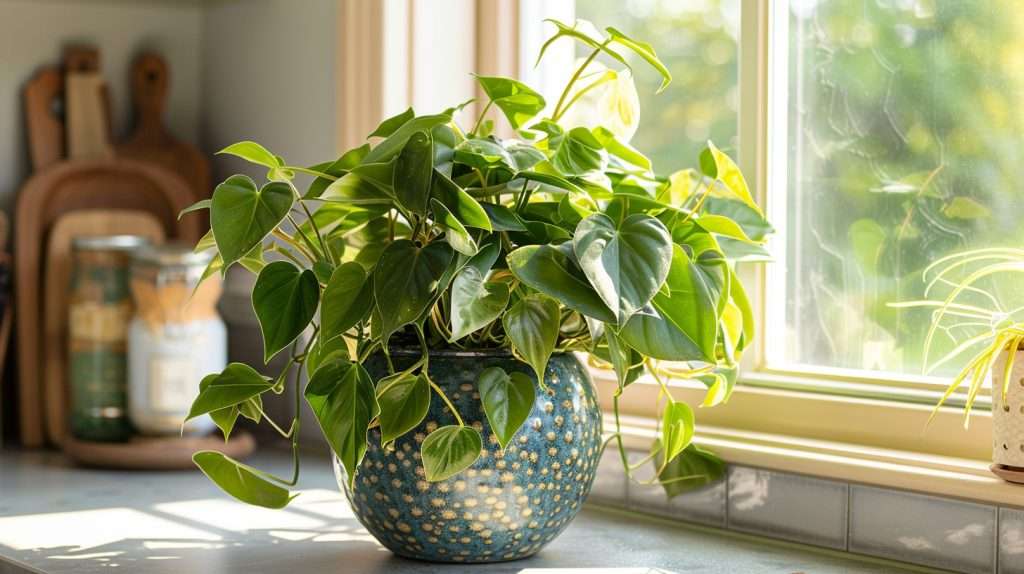
Philodendrons are a large genus of flowering plants from the Araceae family. They’re native to tropical regions of the Americas and the West Indies, and they’re known for their striking, heart-shaped leaves and their ability to adapt to a variety of indoor environments. There are hundreds of different species and varieties of philodendrons, ranging from trailing vining types to large upright varieties.
As a houseplant, philodendrons are adored for their ability to purify the air, their fast growth, and their tolerance for a range of light conditions. With the right care, they can thrive and bring a touch of tropical beauty to your indoor space. If you’re new to plant care or looking to add a new variety to your indoor jungle, philodendrons are a fantastic choice.
Why Philodendrons Make a Perfect Houseplant
There are multiple reasons why philodendrons are a perfect choice for a houseplant. First and foremost, they’re relatively easy to care for. Even if you’re new to plant parenting, you’ll find that philodendrons are quite forgiving and adaptable. The primary aspect of philodendron care that you’ll want to master is their watering needs. Understanding philodendron watering requirements is crucial to ensure your plant thrives.
Philodendrons are also incredibly versatile. They can be grown in a hanging basket, allowed to climb a moss pole, or simply left to grow in a pot. They’re also tolerant of a variety of light conditions, although they prefer bright, indirect light. For more on this, check out our guide on philodendron light preferences.
Another reason why philodendrons make a great houseplant is their air-purifying abilities. They’re known to remove toxins from the air, improving the air quality in your home. Plus, their lush, green foliage can add a calming, tropical touch to your space.
Last but not least, philodendrons are great for propagation. With a few simple steps, you can create new plants from cuttings. For more on this, refer to our article on philodendron propagation techniques.
From their stunning foliage to their easy-care nature, it’s clear to see why philodendrons are a favorite among houseplant enthusiasts. Whether you’re a plant care novice or a seasoned plant parent, you’ll enjoy the beauty and benefits that philodendrons bring to your home.
Understanding Philodendron Watering Requirements
Decoding the right watering schedule for your Philodendron can feel a bit like a mystery at first. However, when you understand the key factors that influence your plant’s hydration needs and the tell-tale signs it gives when it’s thirsty, you’ll be able to master your Philodendron’s watering requirements in no time.
Key Factors Influencing Watering Needs
Several factors come into play when determining how often and how much to water your Philodendron. One primary factor is the size of the plant and its pot. Larger plants in bigger pots typically need more water than smaller plants in smaller pots.
The type of soil you use for your Philodendron also plays a crucial role in its watering needs. Philodendrons prefer well-draining soil that retains some moisture but does not stay waterlogged. You can learn more about this in our article on philodendron soil requirements.
Environmental factors such as humidity, temperature, and light levels are also important. For instance, in a dry environment, your Philodendron may need watering more often than in a humid environment. Similarly, if your Philodendron is in a bright spot, it may require water more frequently than if it’s in a shady location. To get a deeper understanding of this, check out our article on philodendron light preferences.
Signs Your Philodendron Needs Water
Your Philodendron will give you signs when it’s thirsty. Learning to read these signs will help ensure your plant gets the water it needs without being overwatered or underwatered.
One of the first signs that your Philodendron needs water is when its leaves start to droop. This can be a bit tricky because the leaves can also droop when the plant is overwatered. The key is to check the soil. If it feels dry to the touch and your plant’s leaves are drooping, then it’s time to water.
Another sign that your Philodendron needs water is when the leaves start to turn yellow or brown at the edges. This can also be a sign of too much light or a nutrient deficiency, so it’s important to consider all aspects of your plant’s care. Learn more about troubleshooting your Philodendron’s needs in our philodendron plant troubleshooting guide.
Remember, each Philodendron is unique, and what works for one might not work for another. It’s all about observing your plant and responding to its needs. By understanding these key aspects of Philodendron watering, you’re well on your way to providing the best care for your indoor jungle’s leafy resident.
How to Water Your Philodendron
Having a clear understanding of your philodendron’s watering needs is crucial for its care. From knowing when to water it to understanding the role of humidity, let’s delve into the specifics of philodendron watering requirements.
When to Water Your Philodendron
Philodendrons, like many houseplants, require a balance when it comes to watering. They don’t like to be too dry or too wet. The best time to water your philodendron is when the top inch of the soil feels dry to the touch. A simple way to check this is by sticking your finger into the soil up to your first knuckle. If it’s dry, it’s time to water. If it’s still moist, wait a few more days.
Remember, philodendrons are more tolerant of being under-watered than over-watered. Overwatering can lead to root rot, a common issue with houseplants. So, it’s better to err on the side of caution and water less frequently.
How Much Water to Use
The amount of water to use depends on the size of your philodendron and its pot, as well as the season and the environment. As a general rule, water your plant thoroughly until water starts to drain from the bottom of the pot. This ensures that the roots get adequately hydrated.
Ensure that your plant pot has good drainage to prevent the roots from sitting in water, as this can lead to root rot. After watering, empty the drainage tray to ensure excess water isn’t reabsorbed by the pot.
The Role of Humidity in Philodendron Care
Humidity plays a significant role in maintaining the health of your philodendron. These plants thrive in a humid environment, as they originate from tropical regions.
If the air in your home is dry, consider using a humidity tray or a room humidifier to increase the moisture levels. Regularly misting the leaves can also help, but don’t overdo it as excessive moisture can lead to fungal diseases.
Another strategy is to group your philodendron with other houseplants. Plants naturally release moisture into the air, so having several together can create a mini indoor humid environment.
Understanding and applying these philodendron watering requirements will go a long way in keeping your plant happy and healthy. Remember, your philodendron’s watering needs can change depending on the season and the environment, so always keep an eye on the condition of its leaves and soil. For more comprehensive care instructions, check our indoor philodendron care guide.
Tips for Mastering Philodendron Watering
Perfecting the art of watering your philodendron can significantly enhance its growth and overall health. In this section, we’ll provide you with some practical tips to help you master your philodendron’s watering requirements.
Using the Right Water
The type of water you use can impact your philodendron’s health. While tap water is easily accessible, it often contains chlorine, which can be harmful to your plant. If you’re using tap water, it’s recommended to let it sit uncovered for 24 hours to allow the chlorine to evaporate before watering your plant.
Rainwater or distilled water are excellent options as they’re free from any additives that could harm your philodendron. However, no matter what type of water you use, make sure it’s at room temperature to avoid shocking the plant’s roots.
Dealing with Overwatering and Underwatering
Overwatering and underwatering are common issues that can affect your philodendron’s health. Overwatered philodendrons may display signs like yellowing leaves, while underwatered plants often have droopy or wrinkled leaves.
If you notice these signs, adjust your watering schedule accordingly. Too much water can lead to root rot, a serious condition that can kill your plant. If you think your philodendron is overwatered, let the soil dry out completely before watering again. If it’s underwatered, increase your watering frequency but ensure that the plant isn’t sitting in water, as this can also lead to root rot.
Seasonal Adjustments in Watering
Your philodendron’s watering needs will change with the seasons. During the growing season (spring and summer), philodendrons usually need more water. In contrast, during the dormant season (fall and winter), you should reduce your watering frequency as the plant’s growth slows down and it requires less moisture.
Here is a rough guide to watering frequency based on seasons:
| Season | Watering Frequency |
|---|---|
| Spring/Summer | Once a week |
| Fall/Winter | Once every 2 weeks |
It’s important to remember that these are general guidelines and the actual watering frequency will depend on your specific plant and environment. Always check the soil’s moisture level before watering your philodendron.
Mastering your philodendron’s watering requirements is one aspect of overall philodendron care. You should also pay attention to other factors like light, soil, and fertilizer needs. For more comprehensive information on philodendron care, check out our indoor philodendron care guide.
Troubleshooting Philodendron Watering Issues
Even with careful attention to your philodendron’s watering needs, issues may still arise. Let’s delve into some common signs of watering problems and how you can help your philodendron recover.
Common Signs of Watering Problems
Recognizing the signs of watering issues is crucial to the health of your philodendron. Both overwatering and underwatering can cause noticeable changes in your plant’s appearance.
Overwatered philodendrons often display symptoms such as:
- Yellowing leaves: This is often one of the first signs of overwatering. If your philodendron’s leaves start to turn yellow, it may be receiving too much water.
- Root rot: Overwatering can lead to soggy soil and ultimately root rot, a serious condition that can cause your plant to wilt and its roots to turn black and mushy.
Underwatered philodendrons may exhibit the following signs:
- Drooping leaves: If your philodendron’s leaves start to droop or wilt, it might not be getting enough water.
- Brown leaf tips: This is often a sign of underwatering. When a philodendron doesn’t receive enough water, its leaves can start to turn brown at the tips.
To maintain a healthy philodendron, it’s essential to monitor your plant closely and adjust your watering practices as needed. For more information on identifying and addressing plant issues, check out our philodendron plant troubleshooting guide.
How to Recover an Overwatered or Underwatered Philodendron
If you notice signs of overwatering or underwatering, don’t panic. You can take steps to help your philodendron recover.
Overwatered Philodendrons: The first step is to stop watering your plant immediately. Allow the soil to dry out completely before watering again. In severe cases of root rot, you may need to repot your plant in fresh soil. For a step-by-step guide, check out our article on repotting philodendron plants.
Underwatered Philodendrons: If your philodendron is underwatered, start by giving it a good soak. Water your plant thoroughly until water runs out the bottom of the pot. Repeat this a few times over the next week to make sure your plant is getting the moisture it needs.
Remember, recovering from watering issues can take time, so be patient with your philodendron. It’s essential to adapt your watering practices based on your plant’s needs. For more tips and tricks on philodendron care, be sure to check out our comprehensive indoor philodendron care guide.