Philodendron Plant Troubleshooting: Rescue Your Plant
Philodendrons are some of the most popular houseplants, loved for their lush foliage and easy care requirements. Whether you’re a seasoned plant parent or a novice gardener, these tropical plants can bring a touch of the rainforest to your home. Let’s explore why you might want to consider them for your home and how to perform basic philodendron plant troubleshooting when a problem comes up.
Why Choose a Philodendron
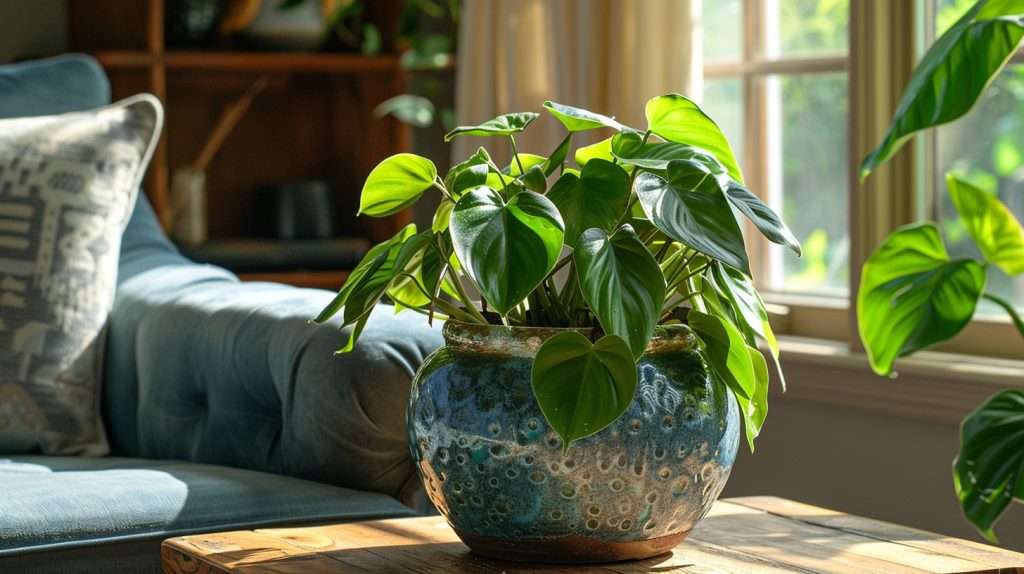
Philodendrons are a fantastic choice for a houseplant for several reasons. These plants are incredibly versatile, with varieties that can either be trailing or bushy. They can be placed on a bookshelf, hung from the ceiling, or set on a table, making them great for any space.
In addition to their adaptability, they’re also relatively easy to care for, requiring less attention than some other houseplants. They’re tolerant of a variety of light conditions and forgiving if you forget to water them occasionally.
On top of that, they offer a wide range of leaf shapes, sizes, and colors, providing a lovely visual contrast to your other houseplants. Their vibrant green leaves can bring a calming and rejuvenating touch to your living space.
Basic Care for a Philodendron
Caring for a philodendron doesn’t require a green thumb, but it does require some basic knowledge. Let’s start with the essentials:
Watering: Philodendrons prefer their soil to dry out a bit between waterings. Overwatering can cause root rot, so it’s best to err on the side of underwatering. For more information, check out our guide on philodendron watering requirements.
Light: These plants thrive in medium to bright indirect light but can tolerate low light conditions. Too much direct sunlight can cause leaf burn. Learn more about philodendron light preferences.
Soil: Philodendrons prefer well-draining soil. A mix of potting soil, peat moss, and perlite usually works well. Find more details in our philodendron soil requirements guide.
Temperature and Humidity: These tropical plants love warmth and humidity. They prefer temperatures between 65°F and 80°F and appreciate added humidity, which can be provided by a pebble tray or a room humidifier.
Feeding: Feed your philodendron with a balanced houseplant fertilizer every 2-4 weeks during the growing season (spring and summer). Reduce feeding in fall and winter. Read about philodendron fertilizer needs here.
Pruning: Trimming your philodendron will help it maintain a desired shape and size. It can also encourage fuller growth. Learn pruning philodendron plants techniques in our guide.
Propagation: Philodendrons are easy to propagate using stem cuttings. For a step-by-step guide, visit our article on philodendron propagation techniques.
These are the basics of philodendron care, but remember that every plant is unique and may have slightly different needs. Always observe your plant and adjust your care routine as needed. For a more in-depth guide, refer to our indoor philodendron care guide.
Remember, even with the best care, you may run into a few issues, such as yellowing leaves or drooping. That’s where our ‘philodendron plant troubleshooting’ guide comes in, helping you diagnose and treat common problems to keep your philodendron thriving.
Common Philodendron Problems
As with any houseplant, your Philodendron may encounter a few bumps in the road. However, understanding the signs of distress can help you take corrective action before it’s too late. Let’s explore some common problems that might have you reaching for your philodendron plant troubleshooting guide.
Yellowing Leaves
Yellowing leaves can be quite a common sight, especially in older Philodendron plants. This is part of the natural aging process, and these leaves can be simply removed. However, if you notice yellowing in the younger leaves, it might be a sign of overwatering. Overly soggy soil can lead to root rot, which in turn can cause the leaves to yellow. If you suspect overwatering, check out our guide on philodendron watering requirements to get a better understanding of your plant’s needs.
Wilting or Drooping
If your Philodendron looks a little sad and is starting to droop, it could be a sign of under-watering or low humidity. Philodendrons prefer a humid environment and consistent watering. If the soil feels dry to the touch, give your plant a good drink. An occasional misting can also help increase humidity. However, if wilting continues even after adjusting watering, it could be a sign of a larger problem, like root rot or a pest infestation.
Brown Leaf Tips
Brown leaf tips on your Philodendron can be an indication of several issues, including underwatering, low humidity, or excessive fertilizer. If the soil is dry, watering your plant thoroughly might solve the problem. If your home’s air is too dry, consider using a humidifier or placing your plant on a pebble tray filled with water. If you’ve been heavy-handed with the fertilizer, flush the soil with water to remove the excess nutrients. To avoid future problems, remember to follow the recommended feeding schedule in our philodendron fertilizer needs guide.
Remember, every plant is unique and what works for one might not work for another. It’s important to observe your Philodendron closely and respond to its specific needs. By understanding the common problems and how to address them, you’re well on your way to becoming a Philodendron pro. For more detailed information on caring for your Philodendron, check out our indoor philodendron care guide.
Troubleshooting Your Philodendron
When it comes to maintaining a healthy Philodendron plant, you might face a few common issues related to watering and light conditions. Let’s delve into these and explore how you can rectify them.
Over-Watering
Over-watering is a common issue that many plant enthusiasts face. You’ll know your Philodendron is getting too much water if you notice its leaves turning yellow and becoming soft or mushy. Over-watering can lead to root rot, a condition that can ultimately kill your plant.
The solution lies in understanding your philodendron watering requirements and adjusting accordingly. The top inch of the soil should be dry before you water your Philodendron again. It’s also important to ensure your plant’s pot has adequate drainage to prevent water from sitting at the bottom and causing root rot.
Under-Watering
Just as over-watering can cause problems, so can under-watering. If your Philodendron’s leaves are wilting or drooping, it might not be getting enough water. The leaves might also feel dry to the touch and may have brown tips.
To rectify this, ensure you’re watering your Philodendron frequently enough. While the top inch of the soil should be dry before watering, don’t let the entire pot dry out completely. Remember, Philodendrons enjoy a humid environment, so regular misting can also help keep them hydrated.
Light Issues
When it comes to light conditions, Philodendrons are quite flexible and can adapt to various levels of light. However, if your Philodendron’s leaves are small, pale, or have long spaces between them, it might not be getting enough light. On the other hand, if the leaves are becoming scorched or faded, it might be getting too much direct sunlight.
Understanding your philodendron’s light preferences can help you find the best spot for your plant. Generally, Philodendrons do well in bright, indirect light, but they can also tolerate lower light conditions. Just be sure to keep them out of direct sunlight, which can burn their leaves.
Remember, Philodendron plant troubleshooting is all about observing your plant and responding to its needs. If you’re still unsure about how to care for your Philodendron, our indoor philodendron care guide might help. Keep learning, keep growing, and most importantly, keep enjoying the rewarding process of plant care!
Pest and Disease Problems
Even with the best care, your philodendron might sometimes face issues with pests or diseases. But don’t worry! With a little bit of knowledge and some quick actions, you can get your plant back to its healthy, vibrant self.
Common Pests
The most common pests that can affect your philodendron include spider mites, aphids, scale insects, and mealybugs. These tiny creatures can cause significant damage to your plant if not addressed promptly. They usually hide under leaves or in crevices, sucking the sap from the plant, which can cause leaf discoloration, wilting, and stunted growth.
Regularly inspect your plant, especially underneath leaves and around the stem, for any signs of these pests. They often appear as small, moving dots or a sticky substance on the leaves or surrounding surfaces.
Identifying Diseases
Philodendrons can also be affected by diseases, with bacterial and fungal infections being the most common. These diseases often manifest as spots or patches on leaves, a foul odor, or a slimy, blackened base of the stem.
Root rot, a common disease in philodendrons, usually results from over-watering and is characterized by black, mushy roots and a decline in plant health. On the other hand, leaf spot diseases present as brown or black spots on the leaves.
Treatment Options
Once you’ve identified a pest or disease issue, it’s time to take action. For pests, you might need to wash the plant with a mild soap solution or use a cotton swab dipped in alcohol to remove the bugs. In severe cases, a natural or synthetic insecticide may be required.
For diseases, it’s important to isolate the affected plant to prevent the spread of infection. Remove the infected parts of the plant and alter your care practices to prevent future issues. Over-watering, for example, often leads to root rot. So, you might need to adjust your watering schedule following our philodendron watering requirements.
In case of severe root rot, you may need to repot the plant in fresh, well-draining soil. Do check our guide on philodendron soil requirements for more information.
Remember, the best defense against any pest or disease problem is a healthy plant. By providing your philodendron with the right care and conditions, you can ensure it stays strong and vibrant, ready to tackle any challenge. For more tips on philodendron care, you can visit our indoor philodendron care guide.
Tips for Healthy Philodendrons
Keeping your Philodendron healthy and vibrant involves proper feeding, ideal lighting conditions, and correct watering techniques. Here are some helpful tips to guide you in your philodendron plant troubleshooting journey.
Proper Feeding
Philodendrons are not heavy feeders, but providing them with the right nutrients can help promote lush growth and vibrant foliage. A balanced, water-soluble houseplant fertilizer applied every month during the growing season (spring and summer) can do wonders for your plant.
Remember to reduce the feeding frequency to every six to eight weeks in the fall and winter when your Philodendron’s growth slows down. Also, always water your plant thoroughly before and after applying fertilizer to prevent root burn. For more details about the nutritional needs of your Philodendron, check out our article on philodendron fertilizer needs.
Ideal Lighting Conditions
Philodendrons do best in bright, indirect light. Too little light can lead to leggy growth and dull coloration, while too much direct sunlight can burn the leaves. Consider placing your plant near a north or east-facing window for the best light exposure.
If your indoor lighting conditions are less than ideal, fluorescent grow lights can also be a good solution. However, always monitor your plant’s reaction to any changes in light and adjust accordingly. For more about the light preferences of Philodendrons, see our article on philodendron light preferences.
Correct Watering Techniques
Watering is a crucial aspect of Philodendron care. These plants prefer consistently moist but not waterlogged soil. A good rule of thumb is to water your Philodendron when the top inch of the soil feels dry to the touch.
Overwatering can lead to yellowing leaves and root rot, while underwatering can cause wilting. Be sure to use a pot with good drainage to avoid waterlogged soil. Also, reduce watering in the cooler months when the plant’s growth slows down.
Remember, each Philodendron’s watering needs can vary based on its size, pot size, and environmental conditions, so adjust your watering routine as needed. For more detailed guidance on watering, see our article on philodendron watering requirements.
By following these tips and providing your Philodendron with the care it needs, you can enjoy a lush and healthy plant. And remember, the key to successful plant care is observation and patience. Happy gardening!