
The Green Thumbs Guide: Philodendron Care Tips for Plant Obsessed
Philodendrons are among the most popular houseplants, and for good reason. Their lush leaves and easy-care nature make them a favorite among plant lovers. But what exactly are philodendrons, and what are the best philodendron care tips? Let’s explore!
What are Philodendrons
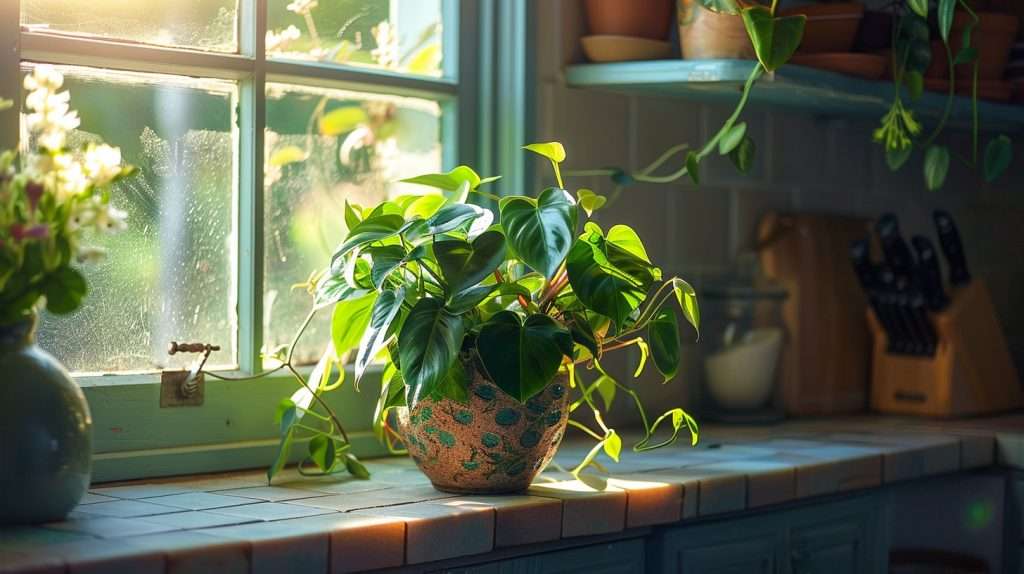
Philodendrons are a large genus of flowering plants from the Araceae family. Native to tropical regions, these plants are known for their heart-shaped leaves and trailing vines, making them perfect for hanging baskets or high shelves. They’re also incredibly resilient, making them a wonderful choice if you’re new to the world of houseplants.
Philodendrons are not just pretty to look at – they’re also quite beneficial. These plants are known to purify the air by removing toxins, which makes them a healthy addition to your home or office.
And don’t worry if you don’t have a green thumb! Philodendrons are relatively low-maintenance, and with the right care, they can thrive in your home. For a complete guide to caring for these plants, check out our indoor philodendron care guide.
Different Types of Philodendrons
There are hundreds of species of philodendrons, each with their own unique characteristics. While all philodendrons share some common traits, such as their love for warmth and humidity, the care requirements can vary slightly depending on the species. Here are just a few examples of the different types of philodendrons you might encounter:
Philodendron hederaceum: Also known as the heartleaf philodendron, this plant is known for its heart-shaped leaves and trailing vines.
Philodendron selloum: This plant, also known as the tree philodendron, has large, glossy leaves and a bushy growth habit.
Philodendron gloriosum: This species has large, velvety leaves with prominent veins, making it a striking addition to any collection.
Philodendron micans: This variety is often sought after for its velvet-textured leaves and the beautiful bronze color they take on under certain light conditions.
Philodendron bipennifolium: Known for its distinctive horsehead-shaped leaves, this philodendron adds a unique touch to any plant collection.
Remember, each type of philodendron has its own specific care requirements, so make sure to research the needs of your particular species. Whether it’s understanding philodendron watering requirements or philodendron light preferences, the more you know, the more successful you’ll be at growing these beautiful plants.
Essential Philodendron Care Tips
Taking care of your philodendron plant may seem challenging, but with the right guidance, it can be an enjoyable experience. Below, you’ll find some essential philodendron care tips to help your plant thrive.
Proper Lighting for Philodendrons
Philodendrons are tropical plants that love bright, indirect light. Placing your plant near an east or north-facing window would be ideal. However, they can also tolerate low light conditions, making them perfect for indoor settings. Avoid placing your philodendron in direct sunlight, as this can scorch the leaves. For more information, you can refer to our article on philodendron light preferences.
Ideal Watering Practices
When it comes to watering your philodendron, remember that these plants prefer soil that’s consistently moist, but not waterlogged. Overwatering can lead to root rot, a common issue with philodendrons. As a general rule, aim to water your philodendron when the top inch of soil feels dry to the touch. Be sure to use a well-draining soil to prevent water from stagnating. For more details on watering, check out our guide on philodendron watering requirements.
Perfect Temperature and Humidity for Philodendrons
Philodendrons thrive in temperatures ranging from 65°F to 80°F. They can tolerate a bit of a dip in the colder months, but it’s best to keep them away from drafts and sudden temperature changes.
As for humidity, these tropical beauties love a humid environment. Aim for a humidity level of around 40-60%. If your home is dry, consider using a humidifier or placing a tray of water near your plant to increase humidity levels.
| Preferred Condition | Range |
|---|---|
| Temperature | 65°F – 80°F |
| Humidity | 40% – 60% |
These are just a few key philodendron care tips to help your plant stay healthy and vibrant. Remember, each plant is unique, so be sure to monitor your philodendron’s health and adjust your care routine as needed. For more comprehensive care information, feel free to explore our indoor philodendron care guide. Happy planting!
Understanding Philodendron Soil Needs
One of the essential philodendron care tips revolves around comprehending their soil needs. Philodendrons thrive best in well-draining soil that can maintain moisture without becoming waterlogged. Let’s delve deeper into the soil requirements for these fantastic houseplants.
The Best Soil Mix for Philodendrons
Philodendrons prefer a soil mix that is rich in organic matter, well-aerated and drains quickly. A blend of peat moss, perlite, and compost works well. Peat moss retains moisture, perlite aids in drainage, and compost provides essential nutrients.
Here is a simple recipe to try:
| Ingredient | Proportion |
|---|---|
| Peat Moss | 50% |
| Perlite | 30% |
| Compost | 20% |
Remember, the goal is to mimic the plant’s natural growing conditions, which are typically warm, moist, and well-drained. The exact proportions may need to be adjusted depending on your specific conditions. For example, if you live in a humid area, you might need to add more perlite to improve drainage.
For more specific guidance on soil requirements, check out our article on philodendron soil requirements.
Signs of Poor Soil Quality
An unhappy philodendron may be a sign of poor soil quality. If you notice yellowing leaves, slowed growth, or wilting, your plant might be trying to tell you something about its soil.
Here are a few signs to look for:
- Waterlogged Soil: If water sits on top of the soil after watering or if the pot feels unusually heavy, your soil may not be draining well. Philodendrons don’t like soggy roots. They need a well-draining soil mix to thrive.
- Dry, Compact Soil: If the soil is hard, compact, and difficult to re-wet after drying out, it may not be retaining enough moisture for your philodendron.
- Lack of Nutrients: If your philodendron’s leaves are pale or yellowing, it might be lacking essential nutrients. A nutrient-rich compost can help supplement the soil’s nutrient content.
Understanding your plant’s soil needs is a vital part of caring for your philodendron. By creating the right soil mix and being vigilant for signs of poor soil quality, you can help your philodendron thrive. Check out our indoor philodendron care guide for more detailed information on how to keep your philodendron happy and healthy.
Philodendron Pruning and Repotting
Maintaining the health and appearance of your philodendron involves regular pruning and occasional repotting. This section will provide you with the key information you need to perform these tasks effectively.
When to Prune Your Philodendron
Pruning your philodendron is a crucial part of its overall care. This process helps control the plant’s size, encourages bushier growth, and can remove diseased or dead foliage. Generally, the best time to prune your philodendron is in the spring or early summer, when the plant is in its active growth phase.
However, if you notice yellowing leaves, browning tips, or dead foliage, feel free to prune these sections away at any time. Regular pruning not only keeps your philodendron looking its best but also helps promote healthier growth. For a detailed guide on pruning, check out our article on pruning philodendron plants.
How to Repot a Philodendron
Repotting is another vital part of philodendron care. Here’s how you can do it:
- Choose a new pot that is 2 inches larger in diameter than the current one. Ensure it has drainage holes to prevent waterlogging.
- Prepare a potting mix suitable for philodendrons. You can learn more about the ideal soil mix in our philodendron soil requirements article.
- Carefully remove the philodendron from its current pot. If the plant is root-bound, gently tease apart the roots.
- Place the plant in the new pot, ensuring it sits at the same depth as it did in the previous pot.
- Fill in the pot with the soil mix, tamping down lightly to remove air pockets.
- Water the plant thoroughly to help settle the soil.
Repotting should ideally be done every 2-3 years or when you notice signs of the plant outgrowing its pot, such as roots growing out of the drainage holes. Remember to repot during the growing season (spring or early summer) when the plant can easily recover from the stress of repotting. For a complete guide on repotting, you can refer to our repotting philodendron plants article.
By following these philodendron care tips, you’ll ensure your plant remains healthy and thrives in its indoor environment. Remember, successful philodendron care involves a combination of proper lighting, watering, temperature control, and regular pruning and repotting. For more information, refer to our indoor philodendron care guide.
Troubleshooting Philodendron Problems
Even with the best care, your philodendron might encounter a few hiccups along the way. But don’t worry, we’ve got your back! Let’s explore some common philodendron diseases, pests, and signs that your philodendron might need a little extra TLC.
Common Philodendron Diseases
Philodendrons are generally hardy, but they can occasionally fall prey to a few diseases.
Leaf Spot
Leaf spot is a common disease that manifests as small, brown spots on the leaves. This is usually caused by a fungal or bacterial infection. If you notice leaf spot, remove the affected leaves immediately to prevent the disease from spreading.
Root Rot
Overwatering can lead to root rot, an issue that causes the roots to become soft and mushy. The leaves may also turn yellow and wilt. If you suspect root rot, check our philodendron watering requirements to ensure you’re not overdoing it.
Pest Issues and How to Deal with Them
Philodendrons can attract a few pests, but with a little vigilance, you can keep these at bay.
Mealybugs
Mealybugs are small, white pests that leave a cotton-like residue on your plant. They can be removed with a cotton swab dipped in rubbing alcohol.
Aphids
Aphids are tiny insects that suck the sap from your plant, causing the leaves to curl and distort. If you notice aphids, you can wash them off with a mild soap and water solution.
Remember, prevention is better than cure. Regularly checking your plant for signs of pests can help catch an infestation early, before it causes significant damage.
Signs Your Philodendron Is Unhappy and How to Help It
Sometimes, despite our best efforts, our philodendron might still seem a little unhappy. Here are a few signs to look out for and what they might mean.
Yellow Leaves
Yellow leaves can be a sign of overwatering, underwatering, or a lack of nutrients. Check your watering routine and consider if your plant might need a boost with some fertilizer. Our guide on philodendron fertilizer needs can help you out.
Brown Leaf Tips
Brown leaf tips can indicate low humidity or over-fertilizing. Try misting your plant or placing it on a pebble tray filled with water to increase humidity. If you’ve recently fertilized, consider flushing the soil to remove excess fertilizer.
Droopy Leaves
Droopy leaves can mean your plant is thirsty. Check the soil’s moisture level, and if it’s dry, give your philodendron a good drink.
Whenever your philodendron seems unhappy, it’s important to assess all aspects of its care. From lighting and watering to temperature and humidity, every detail counts. For more comprehensive information on caring for your philodendron, check out our indoor philodendron care guide. Remember, every plant is unique, and sometimes, all it takes is a little trial and error to figure out what works best.
Propagating Philodendrons
If you’re a proud parent of a healthy philodendron, chances are you might want to multiply your green family. Propagating your philodendron is an easy and cost-effective way to expand your indoor jungle.
When and How to Propagate Your Philodendron
The best time to propagate your philodendron is during the spring or early summer when the plant is experiencing active growth. To propagate your philodendron, follow these simple steps:
- Identify a healthy stem on your philodendron with at least two or three leaves.
- Using a clean, sharp pair of garden shears, cut the stem just below a leaf node (the point where a leaf attaches to the stem).
- Place the cutting in a jar of water, ensuring that the leaf nodes are submerged.
- Change the water every few days to prevent bacterial growth.
- Wait for roots to develop. This usually takes a few weeks.
Remember, successful propagation largely depends on the health of the parent plant. If your philodendron is flourishing under your care, it’s likely that the propagated cuttings will do well too. For more detailed information, check out our article on philodendron propagation techniques.
Caring for Philodendron Cuttings
Once your philodendron cutting has developed roots, it’s time to plant it. Here’s how to care for your new philodendron baby:
- Fill a pot with a well-draining soil mix. You can learn more about the ideal soil for philodendrons in our philodendron soil requirements article.
- Make a hole in the center of the soil and gently place your cutting in, ensuring the roots are covered.
- Water the cutting thoroughly and place it in a location with bright, indirect light.
- Keep the soil slightly moist but not waterlogged. Overwatering can lead to root rot.
- After a few weeks, your baby philodendron should start to show signs of new growth.
While taking care of your young philodendron, remember to continue providing it with the same tender love and care you give its parent plant. This includes providing adequate light, regular water, and occasional fertilizer. For a comprehensive guide on philodendron care, check out our indoor philodendron care guide.
Propagating your philodendrons can be a rewarding experience. It gives you the chance to grow your plant collection and share the love of greenery with your friends and family. Happy planting!


