Grow Your Indoor Eden: Unveiling the Secrets of Fiddle Leaf Fig Care
Fiddle Leaf Fig Essentials
So, you’re thinking about adding some green to your home? The fiddle leaf fig is a top pick. This trendy houseplant not only jazzes up any room but also brings a bunch of perks to your indoor space. Let’s get into the nitty-gritty of fiddle leaf fig care, starting with an intro to this leafy superstar.
Meet the Fiddle Leaf Fig
The fiddle leaf fig, or Ficus lyrata if you want to get fancy, hails from western Africa. Its big, shiny leaves look like fiddles or violins, which is how it got its name. With its lush greenery and striking look, it’s no wonder plant lovers are obsessed.
This plant can shoot up to several feet tall if you treat it right, making it a real showstopper in any room. Because of its size, you’ll need to think about where to put it so it has enough room to grow. For more on keeping your fiddle leaf fig happy, check out our fiddle leaf fig care guide.
Why You Need a Fiddle Leaf Fig
Besides looking good, a fiddle leaf fig brings some serious benefits to your home. Here’s why you should consider getting one:
-
Cleaner Air: Like other houseplants, the fiddle leaf fig helps clean the air by filtering out toxins and pumping out oxygen. This can make your home a healthier place to be.
-
Stress Buster: Studies show that being around plants can lower stress and make you feel more relaxed. Having a fiddle leaf fig around can help create a calm and peaceful vibe in your home.
-
Eye Candy: Those big, bold leaves add a splash of natural beauty to any room. The plant’s sculptural shape and glossy foliage make it a stunning focal point, boosting your home’s overall look.
Knowing the basics of the fiddle leaf fig and its perks sets you up for success in caring for this amazing plant. In the next sections, we’ll cover everything you need to know, from light and water needs to pruning tips and more. Stick around to learn how to keep your fiddle leaf fig thriving in your indoor garden.
Setting Up Your Indoor Eden
Getting your fiddle leaf fig to flourish isn’t rocket science, but it does need some TLC. Light, temperature, and humidity are the magic trio for a happy, healthy plant.
Light Requirements for Your Fiddle Leaf Fig
Fiddle leaf figs love bright, indirect light. Think of it like a sunbathing cat—near the window but not in the sun’s direct path. Too much direct sunlight can scorch those big, beautiful leaves, while too little light can make them pale and droopy.
Here’s a quick check: Are the leaves facing the light and a deep green? You’re golden. If they’re yellowing or pale, your plant’s begging for more light. No sunny window? No problem. LED grow lights can save the day. They give off the right kind of light without turning your living room into a sauna. Just hang them above your plant, but not too close—nobody likes a sunburn.
For more tips on keeping your fiddle leaf fig happy, check out our fiddle leaf fig care guide.
Ideal Temperature and Humidity Levels
Your fiddle leaf fig likes it warm and cozy, between 60°F (15°C) and 75°F (24°C). Keep it away from drafts, AC blasts, or any sudden temperature changes. If it gets below 50°F (10°C), your plant might start to stress out.
Humidity is another biggie. Fiddle leaf figs prefer it on the humid side but can handle average household levels. If your home feels like the Sahara, especially in winter, try a humidifier, a water tray nearby, or a gentle misting. These tricks help keep the air around your plant nice and moist.
Don’t forget to keep an eye on the soil. Overwatering or underwatering can cause root rot or sad, droopy leaves. Need more watering tips? We’ve got you covered with our fiddle leaf fig watering guide.
By nailing the right light, temperature, and humidity, you’ll have a fiddle leaf fig that’s the envy of all your friends. Pay attention to these details, and your indoor garden will thrive, adding a touch of green beauty to your home.
Watering and Feeding Your Fiddle Leaf Fig
Keeping your fiddle leaf fig happy and healthy isn’t rocket science, but it does need a bit of TLC. Let’s break down how to water and feed your leafy buddy so it thrives.
Watering Tips
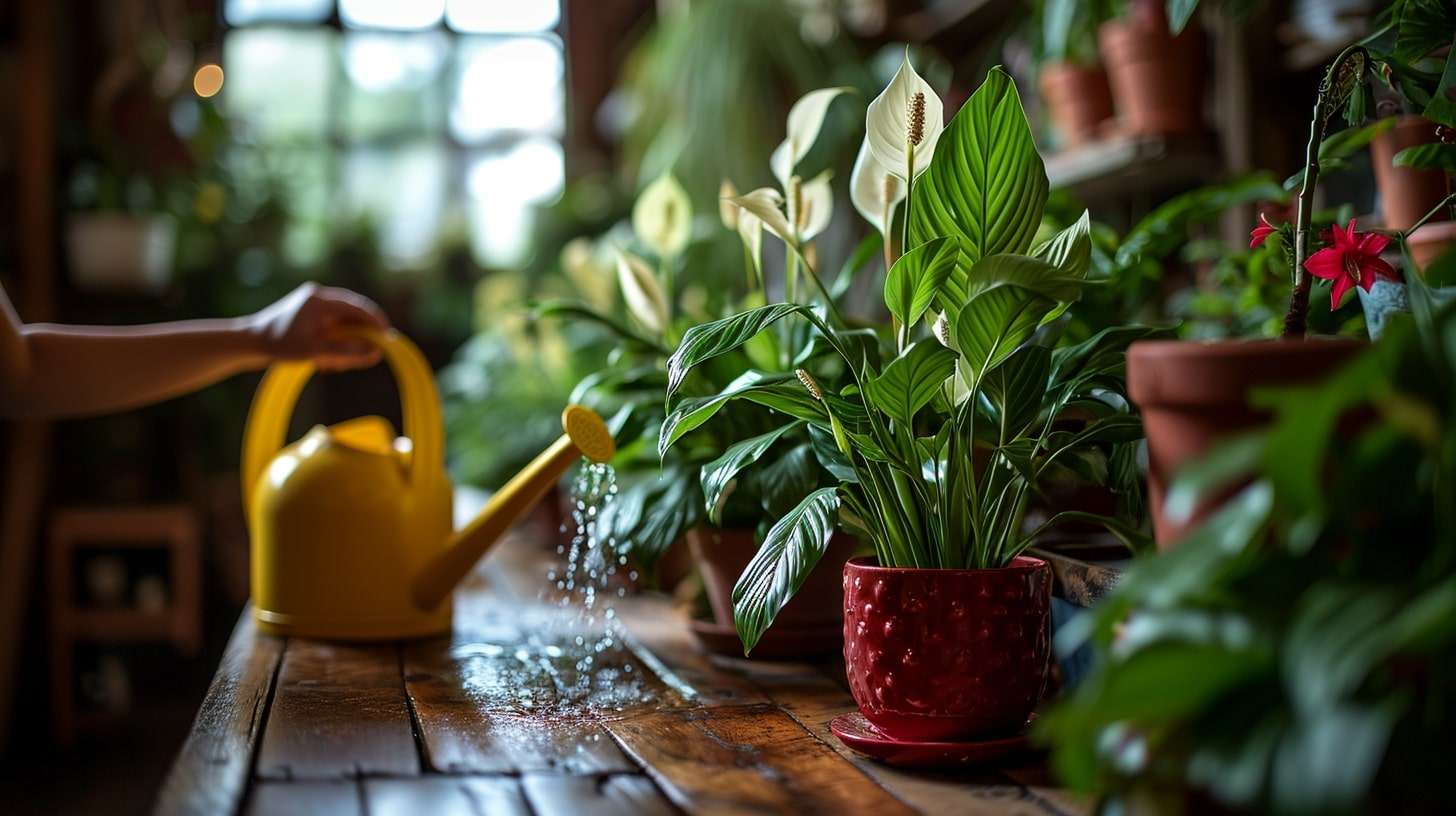
Watering your fiddle leaf fig is a bit like Goldilocks—getting it just right is key. Too much, and you’ll drown it; too little, and it’ll shrivel up. Here’s how to nail it:
-
Soil Check: Stick your finger about an inch into the soil. If it’s dry, it’s time to water. If it’s still a bit damp, hold off for a few days.
-
Soak It Good: When you water, make sure the whole root ball gets wet. Water until you see it trickling out of the drainage holes. This ensures the roots get a good drink.
-
Ditch the Extra Water: After watering, empty the saucer under the pot. Standing water can lead to root rot, and nobody wants that.
-
Set a Routine: Water your plant when the top inch of soil is dry. How often? That depends on your home’s humidity, temperature, and the plant’s size. Keep an eye on it and adjust as needed.
Every fiddle leaf fig has its quirks, so watch your plant and tweak your watering schedule based on its needs. For more tips and common pitfalls, check out our fiddle leaf fig care guide.
Feeding Schedule and Nutrients
Watering is just one part of the equation. Your fiddle leaf fig also needs a good meal now and then. Here’s how to keep it well-fed:
-
Pick the Right Fertilizer: Go for a balanced fertilizer made for houseplants or fiddle leaf figs. Look for one with equal parts nitrogen (N), phosphorus (P), and potassium (K).
-
Read the Label: Follow the instructions on the fertilizer package. It’ll tell you how much to use and how often.
-
Feed in the Growing Season: Your fiddle leaf fig is most active in spring and summer. Feed it every 4-6 weeks during these months.
-
Don’t Overdo It: Too much fertilizer can cause salt buildup in the soil, which is bad news for your plant. Stick to the recommended amounts and don’t feed more often than suggested.
-
Go Organic: If you prefer, you can use organic fertilizers. They provide the nutrients your plant needs without synthetic chemicals.
By sticking to a regular feeding schedule and using the right nutrients, you’ll help your fiddle leaf fig grow strong and healthy. For more on feeding and troubleshooting issues like nutrient deficiencies or leaf drop, check out our fiddle leaf fig care guide.
There you have it! With these tips, your fiddle leaf fig will be the envy of all your plant-loving friends. Happy growing!
Pruning and Propagating Your Fiddle Leaf Fig
Taking care of your fiddle leaf fig isn’t just about watering and sunlight. Pruning and propagating are key to keeping your plant happy and growing. Let’s break down how to prune and propagate your fiddle leaf fig.
Pruning Techniques
Pruning your fiddle leaf fig helps it stay in shape, grow new leaves, and get rid of any sick or damaged parts. Here’s how to do it:
-
Trim Long Branches: Got branches going wild? Snip them back with clean, sharp shears just above a leaf node. This helps new growth and keeps your plant looking bushy.
-
Remove Yellow or Brown Leaves: Yellow or brown leaves happen. Gently pull them off by hand or use clean scissors. Always clean your tools before and after to avoid spreading diseases.
-
Fix Leggy Growth: If your plant is getting too tall and spindly, cut the top just above a leaf node. This encourages branching and makes it look fuller.
Always use clean tools to avoid spreading diseases. If you’re unsure about how much to prune or where to cut, check out our detailed guide on fiddle leaf fig pruning.
Propagating Your Fiddle Leaf Fig
Propagating your fiddle leaf fig is a fun way to grow more plants or share with friends. Here’s a step-by-step guide:
-
Pick a Healthy Stem: Find a stem with at least two or three sets of leaves. Make sure it’s free from pests or damage.
-
Prep a Pot: Fill a small pot with well-draining soil or a mix of perlite and peat moss. Moisten it a bit.
-
Remove Lower Leaves: Gently take off the lower leaves, leaving a few at the top.
-
Optional: Use Rooting Hormone: Dip the cut end in rooting hormone powder or gel to boost your chances of success.
-
Plant the Cutting: Make a hole in the soil and stick the cut end in. Press the soil around it to keep it stable.
-
Create a Mini Greenhouse: Cover the pot with a plastic bag or a clear container to keep it humid. This helps the roots grow.
-
Find a Bright Spot: Place the pot in a warm, bright area, but avoid direct sunlight. Keep the temperature steady and give it indirect light.
-
Care for the Cutting: Check the moisture levels and mist if needed. Don’t overwater, as this can cause root rot. Be patient; rooting can take a few weeks.
For more tips on propagating, including methods like air layering, check out our article on fiddle leaf fig propagation.
By mastering pruning and propagation, you’ll keep your fiddle leaf fig thriving and beautiful for years. Happy gardening!
Common Issues and Troubleshooting
Taking care of a fiddle leaf fig can be a bit like raising a kid—sometimes things go wrong despite your best efforts. Here, we’ll tackle two common headaches: yellowing leaves and pesky pests.
Dealing with Yellowing Leaves
Yellow leaves on your fiddle leaf fig? Don’t panic. It’s usually a sign that something’s off. Here’s what might be going on and how to fix it:
-
Overwatering: Too much water can drown your plant, leading to root rot and yellow leaves. Make sure your fig is in well-draining soil and let the top inch dry out before you water again. Need more watering tips? Check out our fiddle leaf fig care guide.
-
Underwatering: On the flip side, not enough water can also cause yellow leaves. Keep an eye on the soil moisture and adjust your watering schedule. Don’t let the soil get bone dry between waterings.
-
Insufficient Light: Not enough light can make leaves yellow and drop off. Place your fig in a spot with bright, indirect light. If it’s still struggling, consider adding a grow light.
-
Nutrient Deficiency: Yellow leaves might mean your plant is hungry, especially for nitrogen or iron. Use a balanced liquid fertilizer made for houseplants. Follow the feeding schedule on the label. For more on feeding, see our fiddle leaf fig care guide.
If you’ve tried all this and the leaves are still yellow, it might be time to call in a plant expert.
Combatting Pests and Diseases
Fiddle leaf figs can attract some unwanted guests. Here’s how to deal with the most common ones:
-
Spider Mites: These tiny pests cause yellow spots and webbing on leaves. Check your plant regularly. If you find mites, isolate the plant and use insecticidal soap or neem oil. Follow the product instructions.
-
Mealybugs: These cotton-like bugs hide on the undersides of leaves and cause yellowing and stunted growth. Remove them with a cotton swab dipped in rubbing alcohol or use insecticidal soap.
-
Root Rot: Overwatering can cause root rot, leading to yellow leaves and a bad smell. If you suspect root rot, take the plant out of its pot and check the roots. Cut away any mushy roots and repot in fresh, well-draining soil. Make sure the new pot has good drainage.
Regularly check your fiddle leaf fig for pests and diseases. Catching problems early can save your plant.
By tackling yellow leaves and pests head-on, you can keep your fiddle leaf fig looking lush and green. For more tips on other common issues, see our articles on fiddle leaf fig brown spots, fiddle leaf fig leaf drop, and fiddle leaf fig drooping leaves.
Sprucing Up Your Indoor Jungle
So, you’ve nailed the basics of fiddle leaf fig care. Now, let’s jazz up your indoor garden by giving your fiddle leaf fig some style and adding a few plant buddies to make your space pop.
Styling Your Fiddle Leaf Fig
Want your fiddle leaf fig to be the star of your indoor garden? Here are some tips to make it shine:
-
Pick the Perfect Pot: Go for a pot that matches your room’s vibe. Make sure it has good drainage to avoid soggy roots. Fancy planters or baskets can also add a touch of class.
-
Prime Positioning: Place your fiddle leaf fig where it can steal the show. Look for spots with plenty of natural light, but keep it out of direct, harsh sunlight.
-
Art and Mirrors: Set your fiddle leaf fig near some artwork or a mirror. The green leaves against art or a mirror can create a stunning visual effect.
-
Plant Stands or Pedestals: Elevate your fiddle leaf fig on a chic plant stand or pedestal. This adds height and makes your plant the center of attention.
-
Plant Grouping: Pair your fiddle leaf fig with other houseplants for a lush, vibrant look. Pick plants with similar light and humidity needs so they all thrive together. Keep reading for some great companion plant ideas.
Don’t forget to dust the leaves regularly to keep them shiny and healthy. Also, give the plant a little spin now and then to ensure even growth and prevent it from leaning towards the light.
Best Buddies for Your Fiddle Leaf Fig
Adding companion plants can make your indoor garden even more beautiful. Here are some great options:
| Plant | Why It Works |
|---|---|
| Snake Plant | The snake plant (Sansevieria) loves the same light as your fiddle leaf fig. Its tall, sword-like leaves contrast nicely with the fig’s broad ones. |
| Pothos | Pothos (Epipremnum aureum) is a trailing plant that looks great in the same pot or nearby. Its cascading vines and variegated leaves add a lovely touch. |
| Rubber Plant | The rubber plant (Ficus elastica) is a cousin of the fiddle leaf fig. Its glossy, dark green leaves add elegance and complement the fig perfectly. |
| ZZ Plant | The ZZ plant (Zamioculcas zamiifolia) is super low-maintenance and can handle lower light. Its shiny, dark green leaves make a great backdrop for the fiddle leaf fig. |
When picking companion plants, make sure they have similar care needs to your fiddle leaf fig. Don’t overcrowd the pot or area; each plant needs its own space to grow.
With these styling tips and plant pairings, you can create an indoor garden that’s both beautiful and harmonious. Play around with different setups until you find the perfect look for your space. Happy gardening!