Rescue Your Peace Lily: How to Revive a Drooping Plant
Understanding Peace Lilies
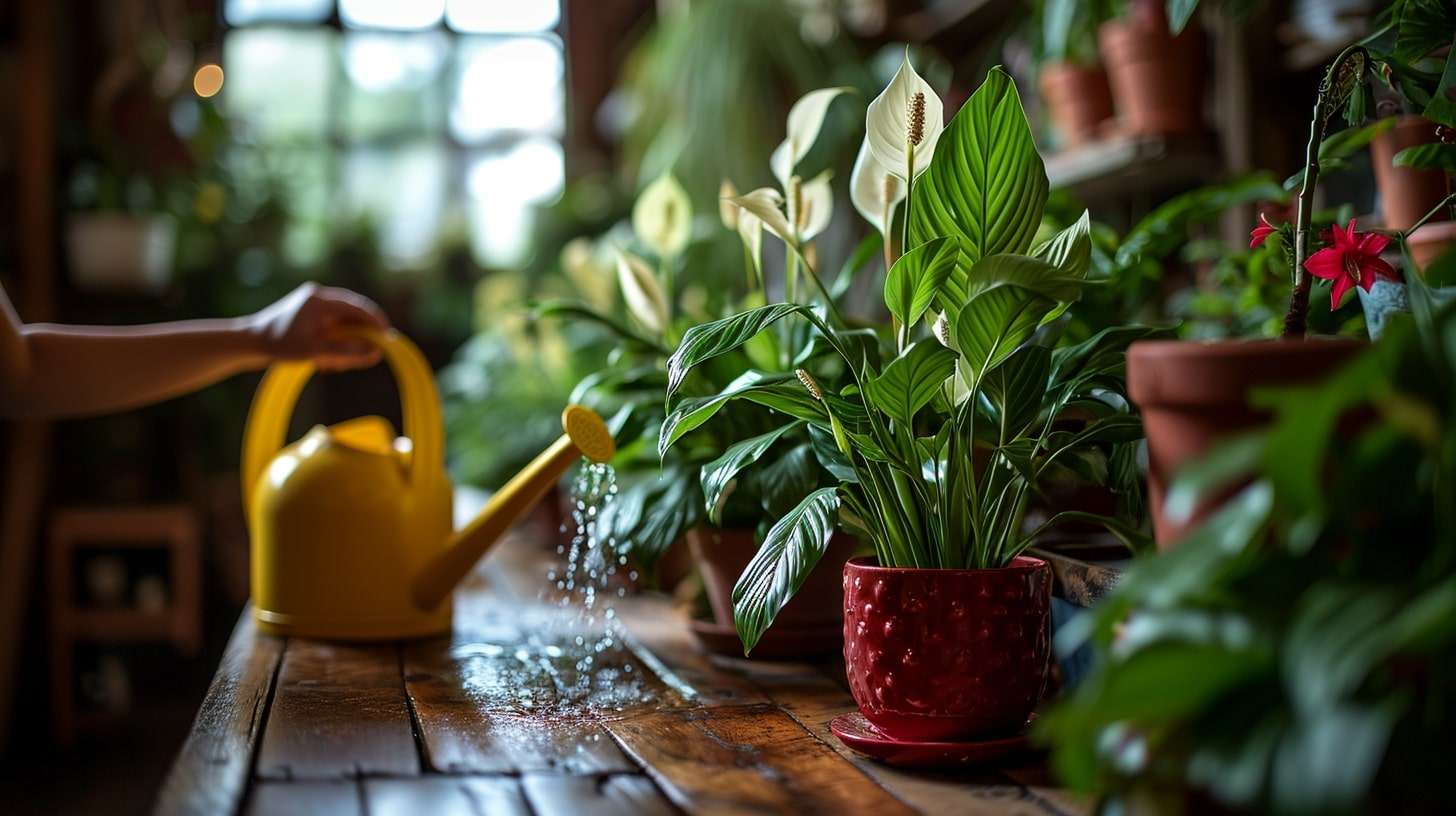
Peace Lilies, also known as Spathiphyllum, are a popular houseplant appreciated for their lush foliage and elegant white flowers. With the right care, these plants can thrive in your home and serve as a beautiful addition to your indoor garden.
However, a common issue that plant owners face is peace lily drooping.
Before we delve into that, let’s first understand how to identify a peace lily and its basic care requirements.
Identifying a Peace Lily
Peace Lilies are notable for their broad, dark green leaves that grow in a clump, creating a dense, bushy appearance. The highlight of this plant is its unique white flower, which is actually a specialized leaf bract that surrounds a smaller, spike-like inflorescence.
This flower, referred to as the spathe and spadix, is what gives the Peace Lily its characteristic look.
When healthy, peace lilies exhibit a vigorous growth pattern and produce flowers periodically throughout the year. However, if you notice symptoms such as yellow leaves or wilting, it could indicate a problem with your peace lily, requiring immediate attention. You can learn more about yellow leaves on peace lily and peace lily wilting in our detailed articles.

Basic Care Requirements for Peace Lilies
Peace Lilies are fairly easy to care for, making them an excellent choice for beginners. Here are the basic care requirements:
- Light: Peace Lilies prefer bright, indirect light but can tolerate low light conditions. However, they may not flower optimally in low light. Read more about peace lily light requirements in our guide.
- Water: These plants like moist, well-draining soil. Water thoroughly when the top inch of the soil feels dry to the touch. Overwatering or underwatering can lead to peace lily drooping.
- Temperature and Humidity: Peace Lilies enjoy warm temperatures between 65-80°F (18-27°C) and high humidity. They don’t perform well under cold drafts or sudden temperature changes.
- Soil: A well-draining potting mix is ideal. The soil should retain some moisture but not become waterlogged.
- Fertilizer: Feed your Peace Lily with a balanced houseplant fertilizer every 2-3 months during the growing season.
- Maintenance: Regularly clean the leaves with a damp cloth to remove dust. Pruning old or yellow leaves will keep the plant looking its best.
For more detailed information on all aspects of peace lily care, including repotting, pruning, and dealing with common problems like brown leaves, visit our comprehensive guide on how to care for a peace lily. With the right care and attention, your peace lily can thrive, adding a touch of serenity to your home.
Recognizing Issues in Peace Lilies
Peace lilies are generally resilient houseplants, but like any living thing, they’re susceptible to stress and may exhibit signs of trouble such as drooping. Identifying these signs early on is the first step towards nursing your peace lily back to health.

Signs of a Drooping Peace Lily
When a peace lily starts drooping, it’s a clear indication that it’s not happy with its current conditions. The most obvious sign is a general wilt or sag in the plant’s overall appearance. Leaves may start to hang down as if the plant is too tired to hold them up, and individual leaves might also begin to curl or roll.
In some cases, you may notice the tips or edges of the leaves turning brown or yellow, which can be a sign of various issues, such as overwatering or underwatering, exposure to direct sunlight, or a lack of humidity.
For more information on yellowing leaves, refer to our article on yellow leaves on peace lily.
Another sign of a drooping peace lily is the presence of wilting flowers. The beautiful white blooms may lose their vitality and start to turn brown or green, eventually wilting away.
Common Causes for Peace Lily Drooping
There are several common causes for peace lily drooping, with the most common being improper watering.
Peace lilies are sensitive to both overwatering and underwatering. Overwatering can lead to root rot, which deprives the plant of the oxygen it needs to thrive, while underwatering can leave the plant dehydrated.
Inadequate light can also cause a peace lily to droop. These plants thrive in low to medium light conditions. Too much direct sunlight can scorch the leaves, while too little light can stunt growth and cause drooping.
Learn more about the ideal light conditions for these plants in our guide on peace lily light requirements.
Another common cause of peace lily drooping is the wrong temperature or humidity levels. Peace lilies prefer warm conditions with high humidity. Cold drafts, dry air, or overly heated rooms can cause the plant to become stressed and start drooping.
Lastly, a peace lily might droop if it’s root-bound in a small pot. The plant’s roots can become cramped and tangled, preventing it from absorbing water properly, and leading to drooping. In such a case, repotting peace lily into a larger pot can help.
By understanding the signs of a drooping peace lily and the potential causes, you can take the necessary steps to revive your plant and prevent further issues. Remember, the key to good peace lily care is paying attention to your plant’s needs and responding promptly when it shows signs of stress.
Reviving a Drooping Peace Lily
A peace lily drooping can be disheartening to see, but don’t worry, there are steps you can take to revive your plant and bring it back to health. These steps involve adjusting your watering practices, modifying the light conditions, and regulating temperature and humidity.
Adjusting Watering Practices
Overwatering or underwatering can lead to a drooping peace lily. When it comes to watering peace lilies, consistency is key. Allow the top inch of the soil to dry out before watering again.
If you’ve been overwatering your peace lily, let it dry out before the next watering. If it’s been underwatered, water it thoroughly, allowing the excess to drain out of the bottom of the pot. Be sure to avoid letting your peace lily sit in standing water as this can cause root rot.
For more detailed guidance on watering, refer to our article on how to care for a peace lily.
Modifying Light Conditions
Peace lilies are not fans of direct sunlight, but they do need bright, indirect light to thrive. If your peace lily is drooping and the leaves are turning yellow, it may be getting too much light.
If the plant is leggy and the leaves are dark green, it might not be getting enough light. Find a spot in your home that gets plenty of indirect light for your peace lily. Learn more about peace lily light requirements.
Regulating Temperature and Humidity
Peace lilies prefer temperatures between 65-80°F (18-27°C), and humidity levels of at least 50%. If your peace lily is drooping, it might be due to temperatures that are too low or fluctuating drastically.
| Ideal Conditions | Peace Lily |
|---|---|
| Temperature | 65-80°F (18-27°C) |
| Humidity | ≥ 50% |
Try to maintain a consistent temperature in the room where you keep your peace lily. If your home is dry, consider using a humidifier or placing your peace lily on a pebble tray filled with water to increase the humidity. Our article on caring for peace lilies indoors provides more details on creating the optimal indoor environment for your peace lily.
By adjusting your care practices, you can help your peace lily bounce back from drooping. Remember, changes won’t happen overnight, so be patient and consistent in your care. With time, your peace lily should recover and continue to grow beautifully.

Preventing Future Drooping in Peace Lilies
Addressing a drooping peace lily is only half the battle. To ensure a healthy, vibrant plant, prevention is key. Let’s explore best practices for peace lily care and the importance of regular monitoring and maintenance.
Best Practices for Peace Lily Care
While peace lilies generally require low maintenance, adhering to a few best practices can help prevent a peace lily from drooping in the future.
- Watering: Peace lilies don’t appreciate overwatering or underwatering. The soil should be kept moist but not waterlogged. It’s best to water the plant thoroughly and wait until the top inch of soil is dry before watering again.
- Lighting: Peace lilies enjoy indirect light. Direct sunlight can cause the leaves to turn yellow or brown. For more on this, check out our guide on peace lily light requirements.
- Temperature and Humidity: These plants thrive in temperatures between 65-80°F. They also appreciate a humid environment, but can tolerate average indoor humidity.
- Repotting: Peace lilies should be repotted every 1-2 years to prevent root crowding and promote healthy growth. For a step-by-step process on how to do this, refer to our article on repotting peace lily.
- xPruning: Regular pruning helps to maintain the health and appearance of peace lilies. Remove yellow or brown leaves to promote healthy growth. You can learn more about this in our pruning peace lily guide.
By adhering to these best practices, you can keep your peace lily in top shape and prevent future drooping.
Regular Monitoring and Maintenance
Consistent monitoring and maintenance is a crucial aspect of peace lily care. Regularly inspect your peace lily for signs of distress, such as wilting, drooping, or discoloration.
Monitoring the plant’s environment is equally important. Keep an eye on the temperature and humidity levels, and adjust as necessary to meet the peace lily’s requirements.
Regularly check the soil moisture levels to ensure you’re not overwatering or underwatering your plant. If you notice yellow leaves, this might be a sign of overwatering.
Read more about this in our yellow leaves on peace lily article.
Maintenance activities such as repotting, pruning, and dividing the plant can also go a long way in promoting its overall health and preventing drooping.
Remember, prevention is the best cure. By sticking to best practices and regular monitoring, you can keep your peace lily thriving and prevent the dreaded peace lily drooping from occurring.
Common Queries About Peace Lily Care
Peace lilies are relatively easy to care for but like any plant, they can display signs of unhappiness if their needs aren’t met.
In this section, we’ll answer some of the most common questions about peace lily care, focusing on watering, sunlight conditions, and recognizing signs of overwatering vs underwatering.
How often should I water my peace lily?
Watering frequency for peace lilies largely depends on the plant’s environment and the season. Generally, peace lilies should be watered when the top inch of the soil feels dry to the touch. In most indoor environments, this typically means watering once a week.
However, peace lilies may need additional watering during hot, dry periods and less frequent watering during cooler months. It’s important to avoid both overwatering and underwatering, as either can lead to a peace lily drooping.
What sunlight conditions are ideal for peace lilies?
Peace lilies prefer indirect sunlight. Direct sunlight can scorch the leaves leading to peace lily brown leaves, while too little light can cause slow growth and fewer flowers.
Ideally, place your peace lily in a location that receives bright but indirect light. A north or east-facing window is usually a good spot. For more details on light needs, refer to our article on peace lily light requirements.
How to recognize overwatering vs underwatering in peace lilies?
Recognizing the difference between overwatering and underwatering in peace lilies can be tricky, as both conditions can cause a peace lily to droop.
Overwatered peace lilies often have yellow leaves with brown tips, while underwatered plants will usually have brown leaf tips and edges. Overwatered peace lilies may also develop soft, black, or rotten roots. For more on this, you can read our article on yellow leaves on peace lily.
Remember, the best way to prevent overwatering or underwatering is to check the soil regularly and adjust your watering practices as needed.
Caring for a peace lily involves more than just watering and sunlight. Regular monitoring, pruning, and repotting can also help keep your peace lily healthy. For more in-depth information on peace lily care, check out our guide on how to care for a peace lily.