
Discover How to Care for a Peace Lily: 4 Essentials for a Stunning Plant
Peace lilies are the epitome of serene beauty and resilience when it comes to houseplants.
Their lush green leaves paired with pristine white flowers make them a beloved choice among plant enthusiasts.
Understanding how to care for a peace lily will ensure this stunning plant becomes a long-lasting member of your houseplant collection.
The Beauty of Peace Lily

Peace lilies are more than just plants. They’re a blend of elegance and air-purifying prowess.
Towering up to 3 feet, their white blooms against glossy green leaves are definitely a delight.
But, they don’t just elevate the aesthetics of a space. They also actively clean the air, removing toxins and enhancing your home’s environment.
Why Choose a Peace Lily
Why bring a peace lily into your space?
For starters, they’re forgiving and adaptable, making the journey of learning how to care for a peace lily quite rewarding.
They’re robust, withstanding occasional neglect, and versatile enough to flourish in various lighting conditions – a perfect fit for any corner of your home or office.
Notice the droop? That’s your peace lily’s way of saying it’s thirsty, a sign that makes care intuitive and straightforward.
While they are a safe addition to homes with human kids, pet owners should note their mild toxicity to animals.
As we explore further, you’ll discover the ins and outs of how to care for your peace lily.
From watering to the right spot for its pot, each section is packed with insights to help your green buddy prosper.
How to Care for a Peace Lily
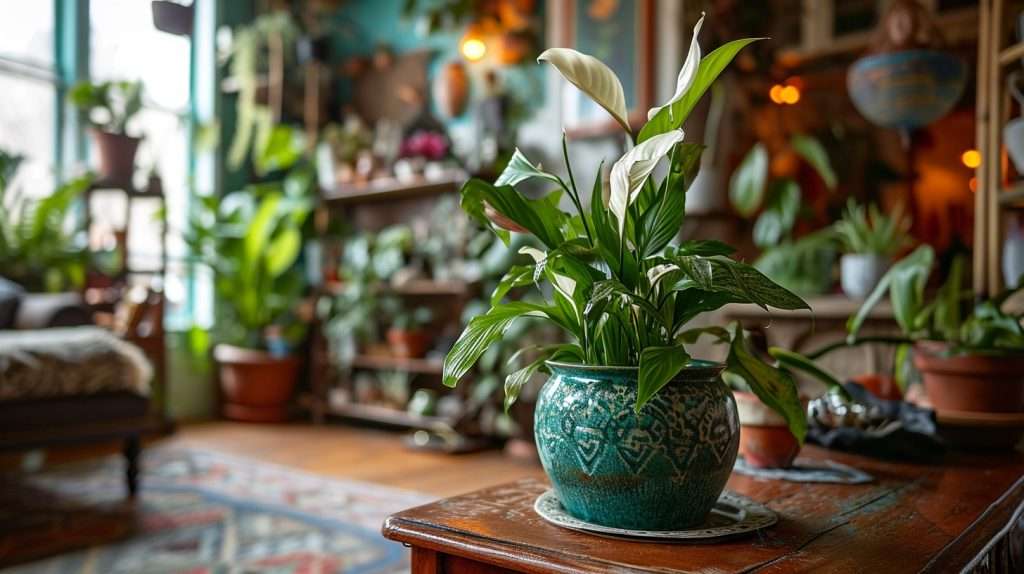
Mastering Peace Lily Care: A Green Thumb’s Guide
Delving into how to care for a peace lily is like unraveling the secrets to a thriving indoor jungle.
Whether you’re a seasoned plant parent or just beginning your botanical journey, peace lilies will bring grace and vitality to your space.
Understanding the Needs of a Peace Lily
Imagine a lush tropical haven—that’s what your peace lily aspires to. With a bit of know-how, you can recreate this environment right in your living room.
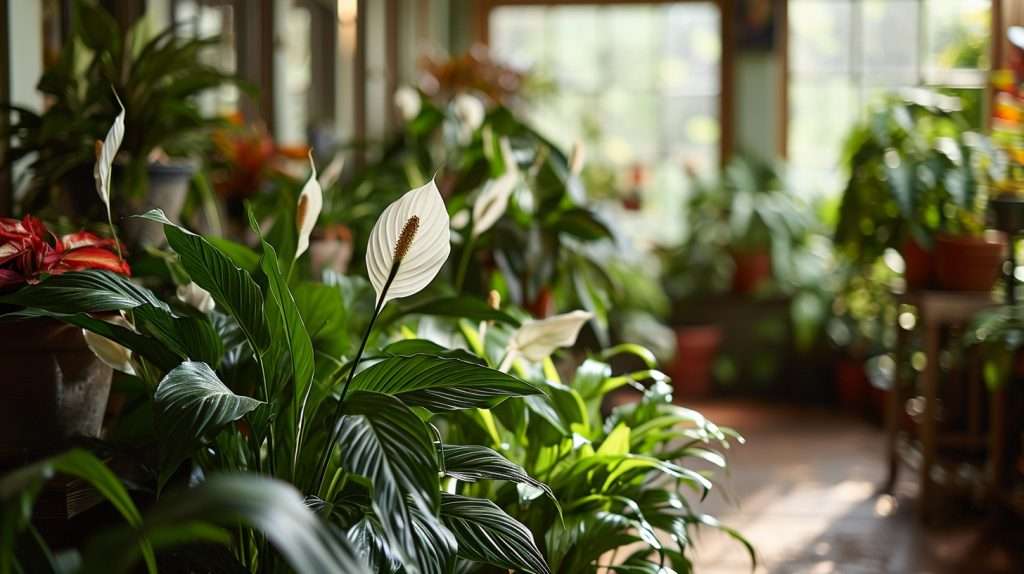
Here’s a snapshot of what these serene beauties need:
- Light: Think dappled sunlight in a rainforest. Peace lilies bask in bright, indirect light but are quite forgiving, managing well in lower light areas. Keep them away from harsh direct rays to avoid leaf burn.
- Water: Touch the soil; when the top inch feels like a dry savannah, it’s time to water. Peace lilies are more forgiving than most, but they dislike soggy feet, so be mindful not to overdo it.
- Humidity: Originating from tropical rainforests, peace lilies enjoy a humid environment. Consider misting them occasionally or placing them near a humidifier to mimic their natural ambiance.
Tropical at heart, peace lilies soak up the humid vibes of their rainforest homes. To make them feel at ease, consider these nurturing tips:
- Humidity: Regular misting or a pebble tray filled with water beneath the pot can make your peace lily feel like it’s back in the tropics.
- Feeding: Like any lush plant, peace lilies enjoy a good meal. A balanced houseplant fertilizer every 6-8 weeks during the growing season will keep them happy and healthy.
- Temperature: These plants are cozy in the warm embrace of temperatures between 65-80°F (18-27°C). They shy away from the cold, so keep them clear of chilly drafts and anything below 45°F (7°C).
Peace lilies are sensitive to their surroundings, and they will let you know if they’re not happy. Yellowing leaves or a general sense of wilt are cries for help.
Check out our deep dives into peace lily’s yellow leaves and wilting woes to troubleshoot any issues.
Indoor vs Outdoor Care
Peace lilies flex their adaptability whether indoors or out, but they truly shine as houseplants. Caring for them indoors means offering a stable environment where the dance of light, water, and warmth is just right.
Find a sweet spot where bright, indirect light can grace its leaves and shield it from the harshness of temperature swings.
Outdoor peace lilies bask in the shade, loving well-draining soil as their bed. They prefer to stay cool, away from the harsh sun and shielded from the whims of weather.
If you’re nurturing peace lilies indoors, swing by our comprehensive guide on caring for peace lilies indoors for all the nitty-gritty details.
Getting the Basics Right:
Whether nestled indoors or gracing your garden, understanding how to care for a peace lily is the key to its thriving. Right light, just enough water, and a touch of care go a long way.
Keep an eye out for signs of stress—a droopy leaf here or a yellow one there—and be ready to adjust your care tactics.
Remember, green thumbs aren’t born; they’re grown. If your peace lily doesn’t perk up right away, don’t fret.
Plant care is about learning, adjusting, and sometimes just being patient.
Watering Your Peace Lily

Watering is more art than science when it comes to peace lilies. Let’s dive into the rhythm of hydrating these serene beauties.
How Often to Water
Think of your peace lily’s thirst as a delicate balance. The watering frequency hinges on its living conditions—light, temperature, and humidity play leading roles.
Finding the sweet spot for watering your peace lily is key.
Typically, a weekly watering keeps it content, but always feel the top inch of soil first. If it’s dry, it’s time to quench its thirst. Just remember, the needs of your peace lily may vary with the rhythms of your home.
Overzealous with the watering can? Beware of root rot. This all-too-common gremlin can sneak up and compromise your plant’s health.
On the flip side, too little water and your peace lily might start to droop in protest.
I’m quite fond of this watering can for its precision, helping ensure I’m giving just the right amount of water.
Navigating Water Woes: Overwatering and Underwatering
Keeping a keen eye on your peace lily’s water intake is crucial. Here are some tell-tale signs to look out for:
Overwatering: Yellow leaves often wave the first flag of distress, potentially signaling too much water. For a deeper dive into this, check out our insights on yellow leaves on peace lily.
Left unchecked, overwatering may lead to a sad, droopy plant with brown leaves. Spot these signs? It might be time to cut back on the H2O.
Underwatering: If your peace lily looks a bit wilted or droopy, it’s likely crying out for water. The good news is, with a timely drink, they tend to perk right back up.
If wilting is a recurring theme, consider visiting our guide on reviving a wilted peace lily.
Every peace lily has its own personality, especially when it comes to water! Keep a close eye on that soil moisture, and soon, you’ll be in perfect sync with your plant’s needs.
It’s all about noticing the little signs and learning as you go. Soon, watering your peace lily will feel like second nature.
Nourishing Your Peace Lily
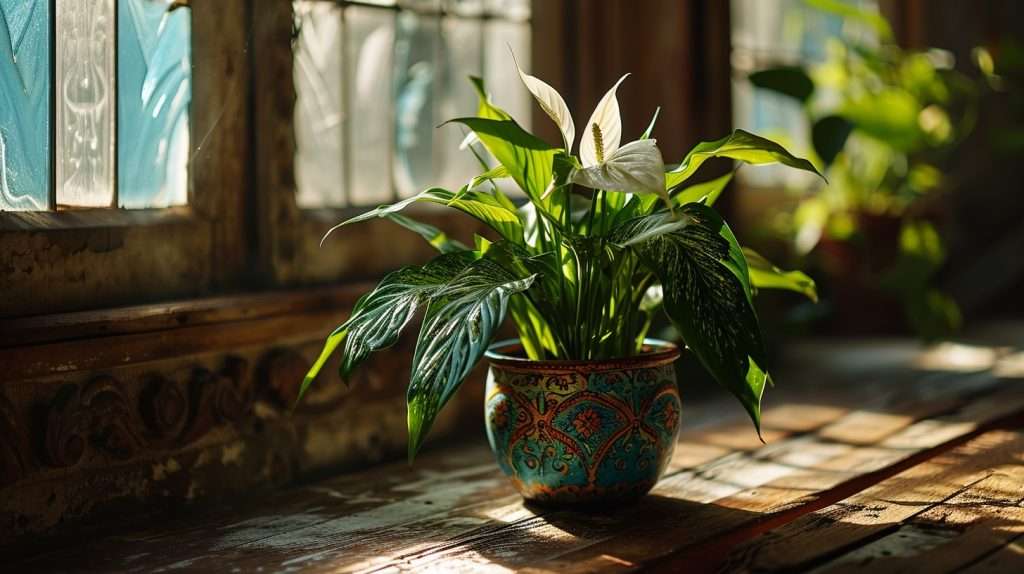
Peace lilies aren’t just surviving; they’re thriving, with a little help from their favorite food. Delving into feeding is a critical part of learning how to care for a peace lily.
Let’s talk about timing, technique, and signs of a hungry peace lily.
When and How to Fertilize
While peace lilies aren’t known to be greedy, they do enjoy a nutritional pick-me-up during their active months in spring and summer.
Once every month during these times, treat them to a balanced, water-soluble houseplant fertilizer.
When it’s feeding time, blend the fertilizer with water as directed. Give your peace lily a drink with this nutrient-rich mix, making sure the soil gets a good soak.
It’s like serving a gourmet meal to your green friend!
Just like with everything, moderation is key in fertilizing your peace lily. Overdoing it can lead to a salty soil situation, which is no good for your plant’s health.
Keep in mind that peace lilies soaking up lots of light will naturally be hungrier for nutrients than their shade-loving counterparts. Dive deeper into this with our deep dive on peace lily light requirements.
Detecting Nutrient Needs in Your Peace Lily
Is your peace lily looking a bit under the weather? It might be telling you it’s hungry. Yellow leaves are often the first sign of a nutrient-starved peace lily. But remember, yellow can also mean too much water, so keep an eye on your watering routine as well.
For more insights, check out our guide on yellow leaves on peace lily.
But that’s not all. A peace lily skimping on blooms or showing stunted growth might also be craving more food. These plants love to show off their flowers in spring, so if it’s more fizzle than sizzle, it’s time to consider a nutrient boost.
And let’s not forget about color. A peace lily’s leaves should be a vibrant green. If they’re looking pale, it’s another telltale sign of nutrient need.
Remember, it’s all about that perfect balance. Follow the fertilizer guidelines and watch how your peace lily responds.
Adjust your care strategy accordingly, and you’ll have a happy, healthy plant in no time.
Illuminating Peace Lily Care: Light and Temperature
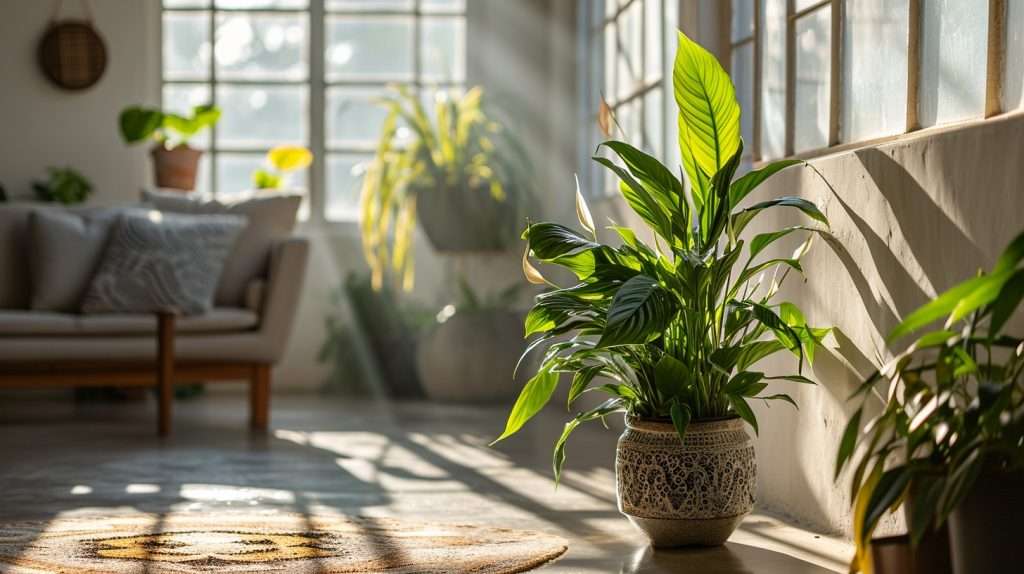
Cracking the code on the ideal light and temperature for your peace lily isn’t just about keeping it alive; it’s about letting it thrive. Get these right, and watch as your peace lily turns your space into a blooming haven.
Basking in the Perfect Light
Peace lilies are the chameleons of the plant world, flourishing under a variety of light conditions. They’re quite content in low to medium light and are no strangers to the fluorescent glow of offices.
But if you’re aiming for a spectacular bloom show, indirect bright light is where it’s at. Just steer clear of direct sunlight; it’s a bit too much for their delicate leaves, causing a not-so-chic yellow or brown tinge.
Noticing some leaf discoloration? It might be time to shift your peace lily out of the sun’s spotlight. A cozy spot near a north or west-facing window usually hits the sweet spot.
Hungry for more light tips? Beam over to our detailed guide on peace lily light requirements.
The Warmth They Crave
Peace lilies don’t just enjoy warmth; they revel in it. Keep them comfortable in temperatures ranging from 65-85°F (18-29°C). They’re somewhat forgiving, tolerating down to 60°F (15°C), but dip below that, and you’re entering the danger zone.
Keep your peace lily away from chilly drafts and sudden temperature drops to maintain its tropical cheer.
Drafts and temperature swings are no friends to the peace lily. These tropical souls wilt in dismay when faced with chilly gusts or erratic temperatures.
If you spot your peace lily wilting, it’s time to play detective with the thermostat and make some cozy adjustments.
Peace Lily Temperature Guide:
- Ideal: 65-85°F (18-29°C)
- Tolerable: 60-90°F (15-32°C)
Remember, peace lilies aren’t just drama queens about temperature; they’re humidity enthusiasts too!
Dry air can leave them looking a bit lackluster. If your home feels more desert than rainforest, consider a humidifier or the classic pebble tray trick to boost moisture levels. Just fill a tray with pebbles, add water, and place your plant on top. It’s a simple spa treatment for your leafy friend.
Ensuring your peace lily flourishes is all about the right light touch and a cozy temperature setting. Remember, a happy plant is all about watching, learning, and tweaking. Keep a vigilant eye on your leafy buddy, adjusting its spot in your home to suit its mood for that perfect green glow.
Crave more green-fingered secrets? Our ultimate guide to caring for peace lilies indoors is packed with tips and tricks.
Pruning and Repotting: Keeping Up Appearances
To maintain that lush, vibrant look, your peace lily needs a little grooming and a change of space now and then. Let’s get into the hows of pruning and the whens of repotting.
Time to Tidy: Pruning Your Peace Lily
Think of pruning your peace lily as a refreshing haircut. It’s all about snipping away the old to make way for the new.
When leaves go yellow or brown, or flowers bid adieu, grab your scissors and gently cut them at the base. This not only tidies up your plant but also redirects energy to fresher, healthier growth.
For all the snip-snap details, leaf through our guide on pruning peace lilies.
Room to Grow: Repotting Essentials
Like all living things, peace lilies occasionally need a change of scenery. Every 1-2 years, or when you notice it’s getting a bit cramped, it’s time to repot.
Look for roots peeking out of drainage holes or a plant that seems to drink up water too quickly. Gently move it to a larger pot with fresh soil, and watch as your peace lily spreads its roots and joy.
A little roomier pot means a happier, healthier plant.
When it’s time to give your peace lily a new home, opt for a pot that’s 2-3 inches wider than its current abode. This extra space is a small but significant upgrade, ensuring room for growth and prosperity.
Choose a well-draining, organic-rich potting mix for this special move. Gently coax the plant out of its old pot, tenderly handling the roots. Nestle it into its new pot, surround it with fresh soil, and give it a good drink.
This post-repotting pampering is just the TLC your peace lily needs.
But remember, repotting is quite the event for a plant! Keep it comfy in familiar light and warmth, and watch its watering needs as it settles in.
If you’re looking for a step-by-step guide, our article on repotting peace lilies is just the thing. And if you want to keep the repotting process a little less messy and ensure you always have the right tools for the job, then try this repotting kit.
Pruning and repotting aren’t just chores; they’re acts of care that rejuvenate and invigorate your peace lily, encouraging it to grow and flourish.
Troubleshooting Peace Lily Problems
Even the most pampered peace lilies can hit a rough patch. Being clued up on potential pests and diseases means you can step in before they take a toll on your plant.
Common Pests and Diseases
Watch out for uninvited guests like mealybugs and spider mites, notorious for sapping the strength from your peace lily. These little critters can be a big problem, leaving your plant weak and wilted.
Keeping your peace lily healthy means being on the lookout for these common pests and knowing how to show them the door.
Pest Patrol: Identifying and Evicting Unwanted Guests
- Mealybugs: Spot a white, cottony mess on your plant? That’s mealybugs. Gently wipe them away with a damp cloth and follow up with insecticidal soap to keep them from coming back.
- Spider Mites: These tiny critters are like mini spiders weaving webs on your plant. A good spray with water and a treatment of insecticidal soap should help keep these pests at bay.
But it’s not just bugs that can bug your peace lily. Certain diseases like root rot and leaf spot can also dampen its spirits.
Disease Defense: Keeping Sickness at Bay
- Root Rot: Yellow leaves and mushy roots are SOS signals. Improving drainage, cutting back on watering, and possibly repotting with fresh soil can help your peace lily recover its footing.
- Leaf Spot: If you see brown or black spots on the leaves, it’s time for some leafy triage. Remove the affected leaves and make sure your plant has plenty of air circulation to prevent further issues.
Nurturing Through the Rough Patches: Environmental Stressors
Peace lilies, like all plants, sometimes signal when they’re not quite happy. Keeping an eye out for these distress signs means you can swoop in and make things right.
- Yellow Leaves: Too much water or too little light might be making your peace lily sad. Adjust your watering habits and check the lighting situation. For a deep dive into perfect lighting, our article on peace lily light requirements has all the answers.
- Drooping Plant: If your peace lily seems a bit down, it might be thirsty or shocked by a recent move to a different spot. Ensure it’s getting a steady amount of water and is comfy in its environment.
- Brown Leaves: These could be a cry for hydration, a plea for more humidity, or a protest against too much sun. Assess its conditions and tweak as needed. Our guide to brown leaves on peace lilies can offer more insight.
Remember, becoming a peace lily pro is all about tuning in to what your plant tells you. A bit of observation and a dash of care can go a long way.
Your peace lily isn’t just a plant; it’s a living piece of your home, and with the right attention, it will continue to flourish and add a touch of tranquility to your space.
Introduction to Peace Lily
Peace lilies are an attractive and popular choice among houseplant enthusiasts due to their distinctive lush green leaves and beautiful white flowers. They’re known for their resilience and adaptability, making them a great addition to any indoor space.
Once you’ve discovered how to care for a peace lily, you’ll have a beautiful addition to your houseplant garden.
The Beauty of Peace Lily
Peace lilies, with their elegant white blooms and vibrant green foliage, are truly a sight to behold. These plants can grow up to 3 feet tall and are known for their long-lasting blooms that can add a touch of elegance to any indoor setting.
The contrast between the creamy white flowers and the glossy green leaves creates a stunning visual display that can brighten up any room.
Plus, peace lilies are not just decorative but also functional. They are known for their exceptional air-purifying qualities. Studies have shown that they can help remove toxins like formaldehyde and benzene from the air, contributing to a healthier indoor environment.
Why Choose a Peace Lily
There are several reasons why you might choose to add a peace lily to your indoor plant collection.
First and foremost, they are relatively easy to care for, making them suitable for both novice gardeners and experienced plant lovers.
They are resilient and can tolerate neglect, making them a great choice for those with busy lifestyles.
And, peace lilies can thrive in a variety of lighting conditions, ranging from low light to bright, indirect light. This makes them versatile and adaptable, ideal for apartments or offices with limited natural light.
Peace lilies are also known for their ability to signal their needs.
For instance, they will droop when they need water and perk up shortly after being watered. This responsive nature makes understanding how to care for a peace lily somewhat intuitive.
Peace lilies are non-toxic to humans, making them a safe choice for households with children. However, they can be mildly toxic to pets if ingested, so take care if you have pets at home.
In the upcoming sections, we’ll delve deeper into the specifics of peace lily care, including watering, feeding, light and temperature requirements, and troubleshooting common problems.
Whether you’re a seasoned plant lover or a beginner looking to add to your indoor garden, the peace lily is a wonderful choice. With the right care, your peace lily can thrive and bring beauty and cleaner air into your home.
How to Care for a Peace Lily
Understanding how to care for a peace lily is fundamental to its successful growth and development. The peace lily is a forgiving plant that is perfect for both seasoned plant parents and newbies alike.
Understanding the Needs of a Peace Lily
A peace lily thrives under specific conditions that mimic its natural tropical habitat. It requires a balance of light and shade, consistent watering, and regular feeding with a good quality houseplant fertilizer.
| Requirement | Description |
|---|---|
| Light | Peace lilies prefer bright, indirect light but can tolerate low light conditions. Avoid direct sunlight as it can scorch the leaves. |
| Water | Water the peace lily when the top inch of soil feels dry. Avoid overwatering as it can lead to root rot. |
| Humidity | Being a tropical plant, peace lilies appreciate a humid environment. Regular misting or placing the plant on a tray of pebbles filled with water can help increase humidity. |
| Feeding | Feed the peace lily with a balanced houseplant fertilizer every 6-8 weeks during the growing season. |
| Temperature | Peace lilies prefer temperatures between 65-80°F (18-27°C). They do not tolerate cold drafts or temperatures below 45°F (7°C). |
It’s important to note that the peace lily is sensitive to changes in its environment. If the leaves start to turn yellow or the plant starts wilting, it may be a sign that something is off.
Visit our articles on yellow leaves on peace lily and peace lily wilting for help identifying and addressing common peace lily issues.
Indoor vs Outdoor Care
While peace lilies can be grown outdoors in warmer climates, they are primarily kept as indoor plants. Indoor care for a peace lily involves providing it with the right amount of light, consistent watering, and a stable temperature.
Make sure to place it in a location where it receives bright, indirect light and is safe from cold drafts.
Outdoor peace lilies require a shaded location with well-draining soil. They should be kept out of direct sunlight and protected from extreme weather conditions.
For more detailed information on indoor peace lily care, visit our article on caring for peace lilies indoors.
Understanding the basic needs of a peace lily is crucial for its well-being. Whether you’re keeping your peace lily indoors or outdoors, providing the right environment and care will ensure its growth and longevity.
Regularly check your plant for signs of stress, and don’t hesitate to make adjustments to its care as needed. Remember, plant care is a learning process.
Don’t be discouraged if things don’t go perfectly right away. With a bit of observation and patience, your peace lily will flourish under your care.
Watering Your Peace Lily
An essential aspect of learning how to care for a peace lily is understanding the plant’s watering needs. Let’s delve into how often to water your peace lily and the signs of overwatering and underwatering.
How Often to Water
The watering frequency for peace lilies largely depends on the growing conditions, such as light, temperature, and humidity levels.
However, a general rule of thumb is to water your peace lily once the top inch of the soil feels dry to the touch. This usually translates to watering once a week, but it may vary based on the specific conditions in your home.
It’s crucial to avoid overwatering as it can lead to root rot, a common issue that can harm the health of your peace lily. On the other hand, underwatering can cause the plant to wilt.
I love this watering can because it helps me control how much water I’m actually giving the plant.
Therefore, it’s all about striking a balance and providing your peace lily with just the right amount of water.
Signs of Overwatering and Underwatering
Recognizing the signs of overwatering and underwatering can help you adjust your watering schedule as needed and ensure your peace lily thrives.
Overwatering your peace lily can lead to yellowing leaves and root rot. If you notice your peace lily has yellow leaves, this could be a sign of overwatering.
Check out our article on yellow leaves on peace lily for more information. In severe cases of overwatering, the leaves may become brown, and the plant may start to droop. If you notice these symptoms, be sure to reduce your watering frequency.
Underwatering your peace lily, on the other hand, can cause it to wilt and droop. Underwatered peace lilies can often bounce back quickly once watered. If you notice your peace lily wilting, it might need more water.
Visit our article on peace lily wilting to learn more about treating a wilted peace lily.
To keep your peace lily healthy and vibrant, make sure you find the right balance in watering. Remember, every plant is unique, and what works for one may not work for another. Regularly check your peace lily’s moisture level and adjust your watering schedule as needed.
With careful observation and a little patience, you’ll master the art of watering your peace lily in no time.
Feeding Your Peace Lily
Just like any other living thing, peace lilies need nourishment to thrive. This part of how to care for a peace lily involves understanding when and how to fertilize, and recognizing signs that your peace lily might be craving more nutrients.
When and How to Fertilize
Peace lilies, in general, are not heavy feeders.
However, they do appreciate a little boost during their growing season, which is typically spring and summer. A good rule of thumb is to apply a balanced, water-soluble houseplant fertilizer once a month during these seasons.
To fertilize, mix the fertilizer with water according to the package instructions. Then, water your peace lily as usual with this solution, making sure to thoroughly wet the soil.
It’s important to avoid over-fertilizing, as this can lead to salt buildup in the soil, which can harm the plant.
Remember, peace lilies grown in brighter light will consume more nutrients compared to those in lower light conditions.
For more information on light requirements, check out our article on peace lily light requirements.
Signs Your Peace Lily Needs More Nutrients
If your peace lily is not getting enough nutrients, it may show several signs. One of the most common ones is yellowing leaves. If you notice the leaves of your peace lily turning yellow, it may be a sign of nutrient deficiency.
However, yellow leaves can also be a symptom of overwatering, so it’s important to consider all aspects of your care routine. Visit our article on yellow leaves on peace lily for more information.
Another sign your peace lily may need more nutrients is stunted growth or a lack of flowers. Peace lilies typically bloom in the spring, and a healthy plant should produce several flowers throughout the season. If your peace lily isn’t blooming, it may be lacking essential nutrients.
Lastly, if you notice the leaves of your peace lily are pale or lack their usual vibrant green color, this can also be a sign of nutrient deficiency.
In any case, remember that balance is key when caring for peace lilies. While they do need nutrients to grow and thrive, too much of a good thing can be harmful.
Always follow the recommended dosage on your fertilizer package, and adjust as necessary based on your plant’s response.
Light and Temperature Needs
Understanding the light and temperature needs of your peace lily is crucial in maintaining its health and beauty. Providing the right conditions can greatly enhance the growth and flowering potential of your plant.
Ideal Light Conditions
Peace lilies thrive in areas with low to medium light, but they can also tolerate fluorescent lights, making them an ideal choice for office spaces.
Although they can survive in low light conditions, they will produce more blooms when exposed to brighter, indirect light. Direct sunlight, however, can scorch the leaves, causing them to turn yellow or brown.
If you notice discolored or yellow leaves on your peace lily, it may be a sign that the plant is getting too much direct sunlight.
Placing your peace lily near a north or west-facing window often provides the best light conditions. For more detailed information on light requirements, check our article on peace lily light requirements.
Optimal Temperature Range
Peace lilies prefer warmer temperatures, typically between 65-85°F (18-29°C). They can tolerate a lower limit of around 60°F (15°C), but temperatures below this can cause harm to the plant.
Cold drafts, as well as sudden temperature fluctuations, can cause the peace lily to wilt. If you find your peace lily wilting, consider checking the temperature and making necessary adjustments.
| Condition | Temperature Range (°F) |
|---|---|
| Ideal | 65-85 |
| Tolerable | 60-90 |
It’s also important to note that peace lilies enjoy high humidity.
If the air in your home is too dry, consider using a humidifier or placing the plant on a tray filled with pebbles and water to increase the humidity levels around it.
By providing the right light and temperature conditions, you will ensure that your peace lily stays healthy and vibrant. Remember, the key to successful houseplant care is observation and adjustment. Keep an eye on your peace lily and adjust its conditions as needed to ensure it thrives.
For more tips on caring for a peace lily, don’t miss our comprehensive guide on caring for peace lilies indoors.
Pruning and Repotting Your Peace Lily
Maintaining the beauty and health of a Peace Lily involves regular pruning and periodic repotting. These practices are essential for the plant’s growth and vitality.
When and How to Prune
Pruning is an important part of how to care for a Peace Lily. It helps the plant conserve energy by not wasting resources on yellow or brown leaves. Pruning usually takes place when the plant shows signs of wilting or when the leaves turn yellow or brown.
To prune a peace lily, you’ll need a pair of clean, sharp scissors or gardening shears. Cut off the yellow or brown leaves at the base of the plant. Be sure to cut off any flowers that have wilted as well. This will encourage the plant to produce new, healthy growth.
For a more detailed guide on pruning, you can refer to our article on pruning peace lily.
When to Repot and How to Do It Properly
Peace Lilies typically need to be repotted every 1-2 years, or when the plant becomes root-bound. Signs that your Peace Lily needs repotting include roots growing out of the drainage holes, the plant becoming top-heavy, or the plant wilting shortly after being watered.
When repotting your peace lily, choose a pot that is 2-3 inches larger in diameter than the current pot. This will give the plant plenty of room to grow.
Use a well-draining potting mix that is rich in organic matter. Gently remove the plant from its current pot, being careful not to damage the roots. Place the plant in the new pot and fill it with potting mix, pressing gently to firm the soil around the roots. Water the plant thoroughly after repotting.
Remember, repotting can be a stressful process for plants. To help your Peace Lily recover, place it in a location that meets its light and temperature requirements, and be attentive to its watering needs in the weeks following repotting.
For a step-by-step guide on repotting, check out our article on repotting peace lily.
Pruning and repotting are essential parts of Peace Lily care. By regularly pruning your plant and repotting when necessary, you’ll encourage healthy growth and keep your Peace Lily looking its best.
Troubleshooting Peace Lily Problems
Even with the best care, peace lilies can sometimes encounter problems. By understanding the common pests and diseases that affect peace lilies and recognizing the signs of these issues, you can take swift action to help your plant recover.
Common Pests and Diseases
Peace lilies can be affected by a few common pests, such as mealybugs and spider mites. These pests can cause damage to your plant by feeding on its sap and weakening it over time.
| Pest | Symptoms | Treatment |
|---|---|---|
| Mealybugs | White, fluffy substance on leaves and stems | Wipe off with a damp cloth and treat with insecticidal soap |
| Spider Mites | Tiny, spider-like insects and webbing on undersides of leaves | Spray with water and treat with insecticidal soap |
Peace lilies can also be susceptible to certain diseases, such as root rot and leaf spot. These diseases can be caused by overwatering, poor drainage, or lack of air circulation.
| Disease | Symptoms | Treatment |
|---|---|---|
| Root Rot | Yellow, wilting leaves and black, mushy roots | Improve drainage, reduce watering, and repot with fresh soil if necessary |
| Leaf Spot | Brown or black spots on leaves | Remove affected leaves and ensure good air circulation |
Recognizing and Treating Common Issues
Beyond pests and diseases, peace lilies can also display signs of stress due to environmental factors. Recognizing these signs early can help you adjust your plant’s care routine and prevent further damage.
If you notice yellow leaves on your peace lily, it could be a sign of overwatering or inadequate lighting. Adjust your watering schedule and ensure your plant is receiving the right amount of light. For more information on light requirements, visit our article on peace lily light requirements.
If your peace lily is drooping, it may need more water, or it could be responding to a sudden change in temperature or light. Make sure it’s receiving consistent care and is placed in a location with stable conditions.
Brown leaves can indicate several issues, such as underwatering, low humidity, or exposure to direct sunlight. If you notice brown leaves on your peace lily, evaluate its care conditions and make any necessary changes.
Remember, the key to successful peace lily care is understanding your plant’s needs and responding quickly to any signs of distress. With a little patience and attention, your peace lily can continue to thrive and brighten your space.


