
The Mystery Unveiled: What’s up with Yellow Leaves on Peace Lily Plants? 4 Common Causes
Introduction to Peace Lilies
Welcome to the world of Peace Lilies, or Spathiphyllum, as the scientists call them!
These elegant beauties are a favorite among houseplant lovers for their chic look and relatively straightforward care. But even the best plant parents encounter hiccups, like the all-too-common yellow leaves on peace lily plants.
Fear not, though—we’re here to delve into why this happens and how to fix it.
The Beauty of Peace Lilies
Isn’t it wonderful how peace lilies brighten up any room with their lush green leaves and stunning white blooms that remind us of a true lily?
They’re not just a pretty face either; these plants love the shade and work hard to purify the air around them. Plus, their resilience in low-light makes them a top pick for indoor gardening.
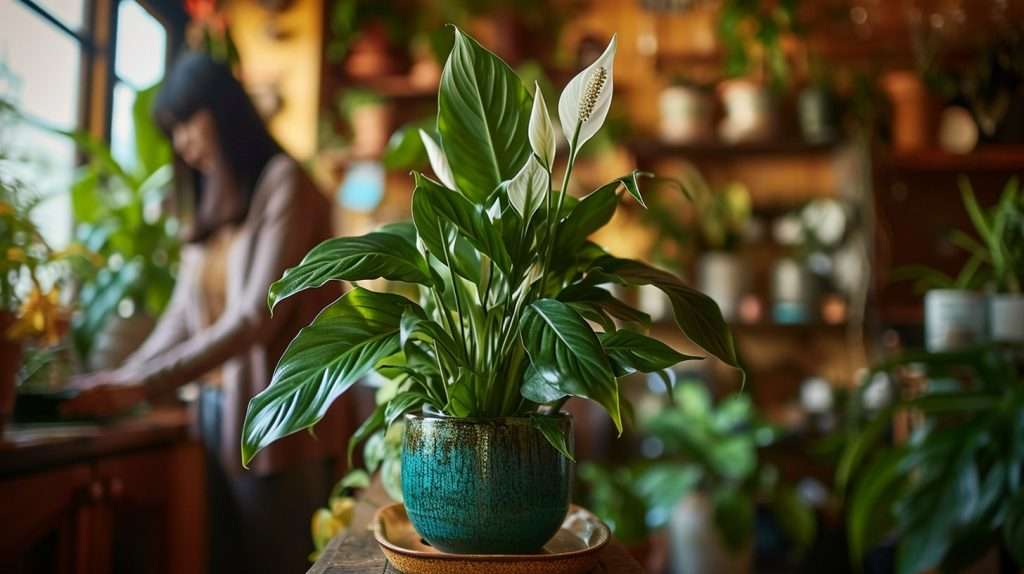
The Peaceful Presence of Peace Lilies
The term ‘Peace Lily’ paints a picture of tranquility, marrying dark green foliage with pure white flowers that wave like a flag of peace. This blend of simplicity and elegance turns any indoor space into a serene sanctuary.
Basic Peace Lily Care
Caring for peace lilies isn’t rocket science—it’s all about balance. These plants are all for a well-draining soil mix, a cozy spot with indirect light, and a consistent watering routine.
Keep the soil just moist enough without going overboard. They’re a bit like us, enjoying a bit of humidity—think of using a pebble tray or giving them a gentle misting to up the comfort.
Light-wise, peace lilies are pretty flexible. They can hang out in low to medium light but put on a real show of blooms with brighter, indirect rays. Just remember, direct sunlight is a no-go; it’s too harsh for their delicate leaves.
Need more light tips? Our deep dive into peace lily light requirements has got you covered.
Watering is key: wait for the top inch of soil to dry out then give it a good drink. Too much or too little water, and you might find yourself dealing with the dreaded yellow leaves or a droopy plant.
For the nitty-gritty on watering, take a peek at our comprehensive guide on how to care for a peace lily.
Sure, peace lilies are generally low-fuss, but they’re not immune to trouble. Yellow leaves, brown tips, or a sad, droopy stance can signal a cry for help.
Keep reading as we explore the mysteries behind ‘yellow leaves on peace lily’—the causes, the fixes, and how to keep your leafy friend thriving.
Yellow Leaves on Peace Lilies

Spotting yellow leaves on a peace lily can turn any plant lover’s smile upside down.
It’s a sign that screams “Hey, something’s not quite right here!”
From the usual care missteps to potential diseases, understanding these yellow flags is key to nurturing a happy, healthy peace lily.
Recognizing Yellow Leaves
Yellow leaves on peace lilies aren’t playing hide and seek—they stand out with their unexpected pale to bold yellow shades.
Whether it’s just a leaf or two or a whole bunch throwing a yellow party, the change can be total or just a patchwork. Sure, it’s normal for the old guards to yellow and retire gracefully, but when young leaves start changing their color, it’s time to sit up and take notice.
Dive deeper into the world of peace lily leaf care with our articles on peace lily drooping and peace lily brown leaves for more insights.
Common Causes of Yellow Leaves on Peace Lily
So, what’s turning your peace lily leaves yellow? Let’s unpack the usual suspects:
- Improper Watering: It’s a balancing act! Too much water and you might be drowning those roots, leading to the dreaded root rot and yellow leaves. Too little, and your plant’s thirsting for moisture, also causing leaves to turn yellow.
- Inadequate Light or Temperature: Peace lilies enjoy their bright, indirect sunlight and cozy 65-80°F homes. Too much direct sun or extreme temperatures? That’s a stress recipe for yellow leaves. Swing by our guide on peace lily light requirements for a light deep-dive.
- Poor Soil or Nutrition: Think gourmet dining for your peace lily—well-draining soil and a balanced diet are musts. Skimp on these, and you’ll see those yellow leaves as a sign of protest.
- Disease or Pest Issues: Sometimes, it’s the unseen culprits—pesky pests or dastardly diseases—leading the charge towards those yellow leaves. Keep an eye out for unwelcome guests like aphids or the sinister root rot.
Pinpointing the culprit is your first detective task in the quest to restore your peace lily’s lush greenery.
As we delve further, remember, plant parenting is a game of patience and attentiveness. With a sprinkle of care and a dash of knowledge, you’ll have your peace lily thriving and flaunting its green best again in no time.
Improper Watering

Watering is like the heartbeat of peace lily care—it’s vital and needs to be just right. Get it wrong, and you’re headed for a cascade of troubles, yellow leaves being one of the more visible SOS signals.
Overwatering and Yellow Leaves
It’s a common tale: too much love, aka water, leads to an unhappy peace lily.
They crave moisture but think ‘spa day’, not ‘swimming pool’. Overwatering means soggy soil, unhappy roots, and a stifled supply of nutrients and water.
The result? Leaves turn a sad shade of yellow.
Spot an overwatered peace lily by its yellow leaves, brown tips, and a wilting demeanor despite wet soil.
Caught in the act? Time to rethink your watering routine and ensure the soil is draining like a dream. Dive into the rescue operation with our guide on peace lily drooping.
Underwatering and Yellow Leaves
Then there’s the drought drama. Underwatering makes peace lilies go thirsty, leading to parched, yellow leaves.
It’s a tale of wilting, yellow foliage, and soil so dry it crumbles at a touch.
Is your peace lily playing the desert survival game? Boost your watering game to keep the soil consistently moist (but not soggy). Soak it thoroughly, let the top inch go dry, and then it’s time for another water feast. Need more watering wisdom?
Check out our complete watering walkthrough in how to care for a peace lily.
One way to help control the amount of water you’re giving your peace lily is to use a good watering can like this one.
Remember, the secret to a vibrant peace lily is mastering the art of watering. Spot the signs, adjust your approach, and watch as your peace lily perks up, leaving those yellow leaves behind.
Light and Temperature Factors

Navigating the light and temperature maze is crucial for keeping your peace lily in the pink (or should we say, the greenest green) and steering clear of the yellow leaf zone.
Insufficient Light and its Impact
Peace lilies are like the cool, shade-loving characters of the plant world, preferring the spotlight to be, well, not too bright.
But while they’re no sun worshippers, they need their fair share of light to keep up with their photosynthesis gig. Too little light, and you’ll see their leaves start a yellowing trend.
Caught your peace lily fading in a gloomy corner? Time for a move to a spot with bright, but indirect, light. They’re flexible with their light needs but draw the line at direct sunlight—that’s just too hot to handle!
For all the illuminating details on their lighting preferences, check out our spotlight on peace lily light requirements.
Extreme Temperatures and its Consequences
Peace lilies are a bit like Goldilocks—not too hot, not too cold. They’re happiest lounging in temperatures between 65 and 85 degrees Fahrenheit. Too chilly or too drafty, and they’ll protest with a yellow wardrobe change.
Is your peace lily living on the edge of a temperature tantrum? Keep it comfy away from those cold drafts or the scorching touch of radiators and sunny windows.
Extreme heat is just as much a no-go as the cold. It’s all about that just-right spot where they can bask in stable, cozy conditions.
Temperature
Peace lilies are a bit particular about their climate, and getting the temperature just right plays a big part in avoiding the dreaded yellow leaves.
Peace Lily Temperature Guide:
- Below 60°F: Shivers and yellow leaves may occur, alongside a general slowdown in growth. It’s like they’re saying, “Brr, not cool!”
- 60°F – 85°F: This is the sweet spot! Here, peace lilies thrive, showing off their lush greenery and blooming beautifully.
- Above 85°F: Watch out—heat waves aren’t their thing. You might see yellow leaves or even leaf burn, a plant’s way of crying “I’m too hot!”
Maintaining that Goldilocks zone is key.
Not too hot, not too cold, just right. Alongside savvy lighting, watering, and feeding strategies, temperature control keeps your peace lily looking its best.
Want to dive deeper into the world of peace lily care? Swing by our complete guide on how to care for a peace lily for all the insider info.
Soil and Nutrition Elements

Don’t overlook the dirt! Soil and nutrition are backstage heroes in your peace lily’s life story, with a direct line to health and happiness—and yes, the avoidance of those yellow leaves.
Importance of Good Drainage
Peace lilies are all about balance, especially when it comes to their soil. They like it moist but not soggy, like a well-drained sponge.
Get it too waterlogged, and you’re in root rot territory, which is practically a one-way ticket to Yellow Leaf City. Too dry? Your peace lily might start to stress and yellow.
Get the drainage drama sorted with a quality houseplant potting mix, boasting things like peat moss or perlite. And don’t forget those drainage holes in the pot—peace lilies love an escape route for excess water!
For all the dirt on potting and soil, our peace lily care guide is your go-to.
Nutrient Deficiency and Excess
Peace lilies aren’t picky eaters, but they do appreciate a balanced meal. Missing nutrients or overindulging can lead to all sorts of drama, like yellow leaves making an unwanted appearance.
- Nitrogen: Skimp on it, and the lower leaves start yellowing. Too much, and your plant might go all out on leaves at the expense of flowers.
- Phosphorus: Not enough can turn leaves a funky yellow or purple with dark veins, while too much might stunt growth and darken the foliage.
- Potassium: A shortage leads to yellowing and browning around the edges, whereas an excess might dial back growth and crisp up those leaf tips.
Getting the nutrients right is a bit like being a gourmet chef for your plant—aim for a perfectly balanced dish! Dive deeper into the feast of peace lily care with our in-depth guide on how to care for a peace lily.
If your peace lily starts to show a bit of a nutrient-related tantrum, it’s time to consider a diet adjustment. A balanced houseplant fertilizer might just be the gourmet treat it needs.
But remember, moderation is key! Overdoing the fertilizer can lead to a salt buildup, turning your soil into a no-go zone for healthy growth and leading to those pesky yellow leaves.
Truth be told, peace lilies aren’t the type to crave constant feeding. They’re more the ‘less is more’ kind when it comes to fertilization.
If you’re still seeing yellow leaves despite your best efforts with water and light, it might be time for a soil health check-up to pinpoint any specific nutrient mischief.
Keeping on top of the soil and nutritional needs is like being a plant’s personal chef and health coach rolled into one—it can dramatically cut down on those yellow leaf dramas.
Hungry for more? Leaf through our articles on caring for peace lilies indoors and peace lily light requirements for the full scoop.
Disease and Pest Issues
Peace lilies, while quite robust, aren’t invincible. They have their Achilles’ heel in the form of certain diseases and pests that can lead to the all-too-common yellow leaves.
From sneaky bugs to mysterious maladies, these unwelcome guests can turn your peace lily’s life upside down.
Common Diseases in Peace Lilies
Even the serene peace lily can run into some health hiccups, with certain diseases turning their luscious leaves yellow. Here’s the rundown:
- Root Rot: Overwatering’s the usual suspect here, leading to soggy, sad roots that can’t support healthy leaves. Keeping an eye on the watering and drainage situation is key to preventing this underground drama.
- Leaf Spot Disease: This fungal foe shows up as brown spots circled with yellow, often crashing the party in humid conditions. A little leaf cleanup can go a long way in keeping this disease at bay.
- Fungal Foes: The likes of powdery mildew and blight bring their brand of trouble with spots and splotches. Good air circulation is your best defense against these fungal culprits.
Worried about your green buddy? Our peace lily care article has all the disease-busting details you’ll need.
Pests that Affect Peace Lilies
Even the strongest peace lilies aren’t immune to the occasional pest problem, leading to yellow leaves and general plant dismay. Watch out for these usual suspects:
- Mealybugs: These fluffy white pests are like tiny vampires for your plant, sucking the life right out of it. Spot them early, and you might get away with a simple shower or some insecticidal soap.
- Spider Mites: Tiny but troublesome, spider mites might leave your peace lily dotted with yellow. If you see fine webbing, it’s time to take action.
- Aphids: These little green troublemakers can twist and yellow the leaves. They love the underside of leaves, so keep an eye out and be ready with some insecticidal soap or neem oil.
Staying vigilant and conducting regular peace lily check-ups can help catch these critters before they cause too much chaos.
Need more pest control tips? Check out our guide on caring for peace lilies indoors.
By becoming a detective in your own plant world, understanding the usual suspects of diseases and pests, you can take smart steps to prevent problems and ensure your peace lily stays as vibrant and healthy as possible.
A little regular TLC, coupled with quick action when issues pop up, is your best strategy to avoid the yellow leaf blues.
Solving the Yellow Leaf Mystery
It’s a real bummer when your peace lily starts sporting yellow leaves, but don’t lose heart! With a bit of detective work, you can get to the root of the issue and set your green friend on the path to recovery.
Making a Correct Diagnosis
Cracking the case of the yellow leaves means donning your detective hat and examining every clue:
- Water and Soil: Is your watering routine on point? Is the soil draining properly or holding a grudge with excess moisture?
- Light and Heat: Too much sun or heat can lead to plant sunburn, while too little light might leave your plant undernourished.
- Look for Culprits: Check for signs of root rot, nutrient imbalance, or uninvited guests like pests.
Often, it’s not just one but a combination of factors leading to the yellowing mystery. Overwatering might invite root rot, while too much light can cause leaf burn.
Piecing together these clues is key to understanding what your peace lily needs to get back to its lush, green self.
Remedial Steps for Yellow Leaves
Diagnosis done? Great! Now, let’s get your peace lily back to its lush, green glory. Here are the steps based on common culprits:
- Improper Watering: Got a bit splash-happy? Ease up on the watering can and let the soil dry out a bit between drinks. If it’s thirstier than you thought, up the watering just a tad, ensuring consistency. For the full watering lowdown, check our peace lily care guide.
- Inadequate Light: If your plant’s been lurking in the shadows or basking in too much sun, find a sweet spot with bright, indirect light. It’s like a cozy reading nook for your plant! Dive into the details with our article on peace lily light requirements.
- Poor Soil and Nutrition: Not all dirt is created equal! Swap out soggy, sad soil for a well-draining superstar mix. And if your peace lily is hungry for nutrients, a balanced feed will perk it right up. Might be time for a repotting adventure!
- Disease and Pests: If diseases or pests have moved in, it’s eviction time! Snip off any sassy, affected leaves and bring out the treatments. Early action is key to keep the problem from growing.
Act fast, stay observant, and before you know it, your peace lily will be back to its perky, green self. Each step is a stride towards a happier, healthier plant!
Preventive Measures for Healthy Peace Lilies
Keep the yellow leaves to a minimum and maintain that lush, green vitality with these proactive tips:
- Consistent Watering: Stick to a watering schedule that keeps the soil just right—not too wet, not too dry. It’s like setting a rhythm for your plant’s life!
- Perfect Lighting: Find that just-right spot where bright, indirect light can grace your peace lily without overwhelming it. It’s all about giving it the spotlight it deserves, without the sunburn.
- Stable Temperature: Keep things cozy. Peace lilies love a warm, stable environment, away from chilly drafts or stifling heat.
- Regular Feeding: A balanced diet makes a happy plant! Feed your peace lily with just the right amount of fertilizer to keep it nourished without overdoing it.
- Pest and Disease Vigilance: Keep an eye out for any uninvited guests or unusual spots. Regular check-ups are the key to early detection and prevention.
With these preventative measures in your gardening toolkit, your peace lily is well on its way to a long, vibrant life, free from the woes of yellow leaves. For a deep dive into all things peace lily, don’t forget to visit our guide to caring for peace lilies indoors.
Introduction to Peace Lilies
Peace lilies, scientifically known as Spathiphyllum, are a popular choice among houseplant enthusiasts for their elegant beauty and relative ease of care. However, like any other plant, they may sometimes encounter issues, such as yellow leaves, which can be a cause for concern for any plant owner. In this guide, we’ll explore the possible reasons behind yellow leaves on peace lily plants and discuss solutions to rectify this issue.
The Beauty of Peace Lilies
Peace lilies are admired for their lush, green foliage and striking, spoon-shaped white flowers, often mistaken as part of the lily family due to their similar appearance. Their ability to thrive in lower light conditions and their air-purifying properties add to their appeal as indoor plants.
The plant’s name, ‘Peace Lily,’ is derived from the harmonious blend of its dark green leaves with the serene white flowers, resembling a white flag of peace. This blend of simplicity and elegance makes them an aesthetic addition to any indoor space.
Basic Peace Lily Care
The care for peace lilies involves a balanced approach to watering, light, temperature, and nutrition. These plants prefer a well-draining soil mix, indirect light, and a consistent watering schedule that keeps the soil slightly moist but not waterlogged. Peace lilies also appreciate high humidity, which can be enhanced by using a pebble tray filled with water or by regular misting.
When it comes to light requirements, peace lilies can thrive in low to medium light but will bloom more profusely when exposed to bright, indirect light. Don’t expose them to direct sunlight, as it can scorch their leaves. For a more detailed guide on peace lily light requirements, check out our article on peace lily light requirements.
As for watering, peace lilies should be watered thoroughly when the top inch of soil feels dry to the touch. Overwatering or underwatering can lead to problems such as yellow leaves, drooping, or wilting. If you’re not sure about the watering needs of your peace lily, our article on how to care for a peace lily provides comprehensive guidance.
While peace lilies are fairly easy to care for, they can sometimes develop issues like yellow leaves, brown tips, or drooping. These problems are often an indication that something is not right with their care routine. In the following sections, we’ll delve deeper into the topic of ‘yellow leaves on peace lily’ and discuss the common causes and solutions.
Yellow Leaves on Peace Lilies
Anyone who has owned a peace lily likely knows the concern that comes with noticing yellow leaves on their beloved plant. Yellow leaves on peace lilies can indicate a range of potential issues from improper care to disease. Understanding how to recognize this symptom and identify the causes is a crucial part of maintaining a healthy peace lily.
Recognizing Yellow Leaves
Yellow leaves on peace lilies are typically easy to identify. The normally vibrant green leaves will take on a yellow hue that can range from a light pale yellow to a deeper, more noticeable shade. The yellowing can occur on a single leaf or multiple leaves, and may encompass the entire leaf surface or appear as spots or patches.
It’s important to note that while it is natural for older leaves to yellow and die off as part of the plant’s growth cycle, sudden or extensive yellowing, especially on younger leaves, is usually a sign of a problem. For more information on recognizing and dealing with other peace lily leaf issues, visit our articles on peace lily drooping and peace lily brown leaves.
Common Causes of Yellow Leaves
There are several factors that can lead to yellow leaves on peace lilies:
- Improper Watering: Both overwatering and underwatering can cause peace lily leaves to yellow. Overwatering often leads to root rot, which in turn causes yellowing leaves. On the other hand, underwatering can dehydrate the plant, also leading to yellow leaves.
Inadequate Light or Temperature: Peace lilies prefer bright, indirect light and temperatures between 65-80°F. Too much direct sunlight or exposure to extreme temperatures can stress the plant and lead to yellowing leaves. Check out our article on peace lily light requirements for more guidance.
- Poor Soil or Nutrition: Peace lilies require well-draining soil and a balanced supply of nutrients. Poor quality soil or nutrient deficiencies can contribute to yellowing leaves.
- Disease or Pest Problems: Certain diseases and pests can cause yellowing of peace lily leaves. Common issues include root rot and pests like aphids or spider mites.
Identifying the cause of the yellow leaves on your peace lily is the first step towards rectifying the problem. In the following sections, we will delve deeper into these causes and explore potential solutions. Remember that patience and consistency are key when it comes to plant care. With the right knowledge and care practices, your peace lily can bounce back from yellow leaves to thrive once again.
Improper Watering
When it comes to the care of peace lilies, watering is a crucial aspect that can significantly impact the health of the plant. Improper watering practices can lead to a variety of issues, including the appearance of yellow leaves on peace lilies.
Overwatering and Yellow Leaves
Overwatering is one of the most common reasons for yellow leaves on peace lilies. Peace lilies prefer a moist environment, but they don’t like to sit in water. Overwatering can lead to waterlogged soil and poor aeration, which in turn can cause the roots to suffocate and rot. When this happens, the plant’s ability to absorb water and nutrients is compromised, and the leaves may start turning yellow as a result.
Some signs of an overwatered peace lily include yellowing leaves, brown leaf tips, wilting despite the soil being wet, and a general decline in plant health. If you notice these signs, it’s important to adjust your watering practices and make sure that the plant’s soil is draining properly. For more information on how to save an overwatered peace lily, check out our article on peace lily drooping.
Underwatering and Yellow Leaves
On the flip side, underwatering can also cause the leaves of peace lilies to turn yellow. If the plant doesn’t receive enough water, it can become dehydrated, causing the leaves to dry out and turn yellow.
Signs of an underwatered peace lily include wilting, yellow leaves, and dry, crumbly soil. If you suspect that your peace lily is not receiving enough water, you should adjust your watering schedule to ensure that the plant’s soil remains consistently moist but not waterlogged. Be sure to water your peace lily thoroughly and then allow the top inch of soil to dry out before watering again. For more tips on how to properly water a peace lily, take a look at our article on how to care for a peace lily.
Proper watering is key to maintaining a healthy peace lily and preventing yellow leaves. By understanding the signs of overwatering and underwatering, you can ensure that your peace lily is receiving the right amount of water to thrive. Remember, a happy peace lily is one that is properly watered!
Light and Temperature Factors
One of the crucial aspects of peace lily care is providing the right light and temperature conditions. Both insufficient light and extreme temperatures can contribute to yellow leaves on peace lilies.
Insufficient Light and its Impact
Peace lilies are shade-loving plants that thrive in low light conditions. However, while they can tolerate low light, they cannot survive in no light. Insufficient light can lead to yellowing leaves as the plant struggles to photosynthesize effectively.
If you notice your peace lily’s leaves turning yellow and the plant is in a particularly dark spot, move it to an area with more indirect light. Peace lilies do best in bright, indirect light, but they can adapt to medium and low light conditions. Avoid placing them in direct sunlight as this can scorch their leaves. For more information on the light requirements of peace lilies, check out our article on peace lily light requirements.
Extreme Temperatures and its Consequences
Just like humans, peace lilies can be affected by extreme temperatures. They prefer temperatures between 65 and 85 degrees Fahrenheit. Temperatures below 60 degrees or sudden temperature swings can cause stress to the plant, leading to yellowing leaves.
If the temperature in your home is too cold or fluctuates drastically, consider moving your peace lily to a more stable environment. Avoid placing it near cold drafts, such as by an exterior door or an air conditioning vent. Similarly, avoid placing your plant near heat sources like radiators or sunny windows as extreme heat can also cause stress and yellowing leaves.
| Temperature | Peace Lily Response |
|---|---|
| Below 60°F | Possible yellow leaves, slowed growth |
| 60°F – 85°F | Ideal growing conditions |
| Above 85°F | Possible yellow leaves, potential leaf burn |
When caring for peace lilies, it’s important to consider all aspects of their environment to keep them healthy and prevent yellow leaves. This includes providing the right light and temperature conditions, along with proper watering, soil, and nutrition. For more tips on how to care for a peace lily, refer to our comprehensive guide on how to care for a peace lily.
Soil and Nutrition Elements
An often overlooked aspect of plant care is the soil and nutrition elements. When it comes to peace lilies, the quality of the soil and the nutrients it provides can significantly impact the health of the plant, including the potential for yellow leaves.
Importance of Good Drainage
Peace lilies prefer soil that holds moisture but drains well. Overly waterlogged soil can lead to root rot and other problems, often signaled by yellow leaves. Conversely, soil that drains too quickly may not provide the peace lily with the moisture it needs, leading to stress and yellowing leaves.
One way to ensure good drainage is to use a potting mix designed for houseplants, which typically contains ingredients like peat moss or perlite to promote drainage. Additionally, the pot used for the peace lily should have drainage holes at the bottom to allow excess water to escape. For more tips on potting and soil selection, check out our guide on how to care for a peace lily.
Nutrient Deficiency and Excess
Just like humans, peace lilies need a balanced diet to thrive. Nutrient deficiencies or excesses can cause a variety of symptoms, including yellow leaves.
| Nutrient | Deficiency Symptoms | Excess Symptoms |
|---|---|---|
| Nitrogen | Yellowing of older, lower leaves | Excessive leaf growth, reduced flowering |
| Phosphorus | Dark green veins, yellow or purple leaf color | Reduced growth, dark green foliage |
| Potassium | Yellowing and browning of leaf edges | Reduced growth, leaf tip dieback |
If a peace lily is showing signs of nutrient imbalance, it may be necessary to adjust the fertilizer being used. A balanced houseplant fertilizer, applied according to package instructions, should provide the necessary nutrients for a peace lily. Remember, too much of a good thing can be harmful. Over-fertilization can lead to salt buildup in the soil, which can also cause leaf yellowing.
In general, peace lilies are not heavy feeders, and over-fertilization can often lead to more problems than it solves. If yellow leaves persist despite appropriate watering and light conditions, consider having the soil tested to determine if a specific nutrient is lacking or in excess.
Proper care of the soil and nutritional needs of a peace lily can go a long way toward preventing yellow leaves. For more information on maintaining healthy peace lilies, check out our articles on caring for peace lilies indoors and peace lily light requirements.
Disease and Pest Issues
While peace lilies are generally hardy plants, they can still be susceptible to certain diseases and pests. These issues can lead to yellow leaves on peace lilies.
Common Diseases in Peace Lilies
Peace lilies can be susceptible to a few common diseases that can cause the leaves to turn yellow. These include root rot, leaf spot disease, and fungal diseases.
Root rot is often caused by overwatering and poor drainage. This condition can cause the roots to become waterlogged and start decaying, ultimately leading to yellow leaves. Regular inspections of the plant and its root system can help detect any signs of root rot early.
Leaf spot disease is a fungal infection that appears as brown spots with yellow halos on the leaves. This disease often spreads in high humidity conditions. Regularly cleaning the leaves can help prevent leaf spot disease.
Fungal diseases, such as powdery mildew and blight, can also lead to yellow leaves. These diseases are often characterized by white or brown spots on the leaves. Maintaining good air circulation around your peace lily can help prevent fungal diseases.
For more information on common diseases and their treatment, you can refer to our article on how to care for a peace lily.
Pests that Affect Peace Lilies
Peace lilies can also fall prey to several common pests. These include mealybugs, spider mites, and aphids. These pests can cause yellow leaves on peace lilies by sucking the sap from the leaves, leading to discoloration and wilting.
Mealybugs appear as white, cottony masses on the leaves and stems. They thrive in warmer conditions and can be controlled by washing the plant or using an insecticidal soap.
Spider mites are tiny pests that may cause yellow spots on the leaves. They are often difficult to see with the naked eye, but their presence can be confirmed by a fine, silky webbing on the plant.
Aphids are small, soft-bodied insects that can cause the leaves to curl and turn yellow. They are often found on the undersides of leaves and can be controlled with insecticidal soap or neem oil.
Keeping a close eye on your peace lily and inspecting it regularly can help detect these pests early. For more information on how to deal with pests, check out our article on caring for peace lilies indoors.
By understanding the common diseases and pests that can affect peace lilies, you can take steps to prevent these issues and keep your plant healthy and vibrant. Regular care and maintenance, along with prompt treatment of any issues, can help prevent yellow leaves on your peace lily.
Solving the Yellow Leaf Mystery
Having yellow leaves on a peace lily can be quite disheartening for any houseplant enthusiast. However, with a systematic approach, it’s possible to diagnose the problem and take appropriate remedial measures.
Making a Correct Diagnosis
The process of diagnosing the cause of yellow leaves on peace lilies involves careful observation and elimination. Check the plant’s watering schedule, lighting conditions, and temperature of the environment. Inspect the soil for proper drainage and signs of nutrient deficiency or excess. Additionally, look for symptoms of diseases or pest infestation.
Remember, multiple factors can contribute to yellowing leaves. For instance, overwatering can lead to root rot, which in turn can cause yellowing. Similarly, an excessively lit place can result in leaf burn, leading to yellow leaves. It’s crucial to consider all these aspects while making a diagnosis.
Remedial Steps for Yellow Leaves
Once you’ve identified the cause, you can take appropriate steps to address the issue:
-
Improper Watering: If you’re overwatering, reduce the frequency and ensure the soil is almost dry before watering again. For underwatering, gradually increase your watering schedule. Refer to our guide on how to care for a peace lily for more details.
-
Inadequate Light: Move your plant to a location that receives bright, indirect light. Avoid placing it under direct sunlight. Read more about peace lily light requirements.
-
Poor Soil and Nutrition: If the soil has poor drainage, consider repotting your peace lily with well-draining soil. For nutrient issues, use a balanced houseplant fertilizer.
-
Disease and Pests: Treat diseases and pests as soon as they’re detected. Prune off the affected leaves and apply appropriate treatments.
Remember, it’s crucial to act promptly once the problem is identified, as delayed action can lead to further damage to your peace lily.
Preventive Measures for Healthy Peace Lilies
To prevent your peace lily from developing yellow leaves, consider the following measures:
- Maintain a consistent watering schedule, ensuring the soil is well-drained.
- Place your peace lily in a location with bright, indirect light.
- Make sure your peace lily is in a location with a consistent, warm temperature.
- Regularly feed your peace lily with a balanced fertilizer.
- Regularly inspect your plant for signs of pests or diseases.
By following these preventive measures and promptly addressing any issues, you can keep your peace lily healthy and vibrant, steering clear of the dreaded yellow leaves. For more information on maintaining your peace lily, check out our comprehensive guide on caring for peace lilies indoors.


