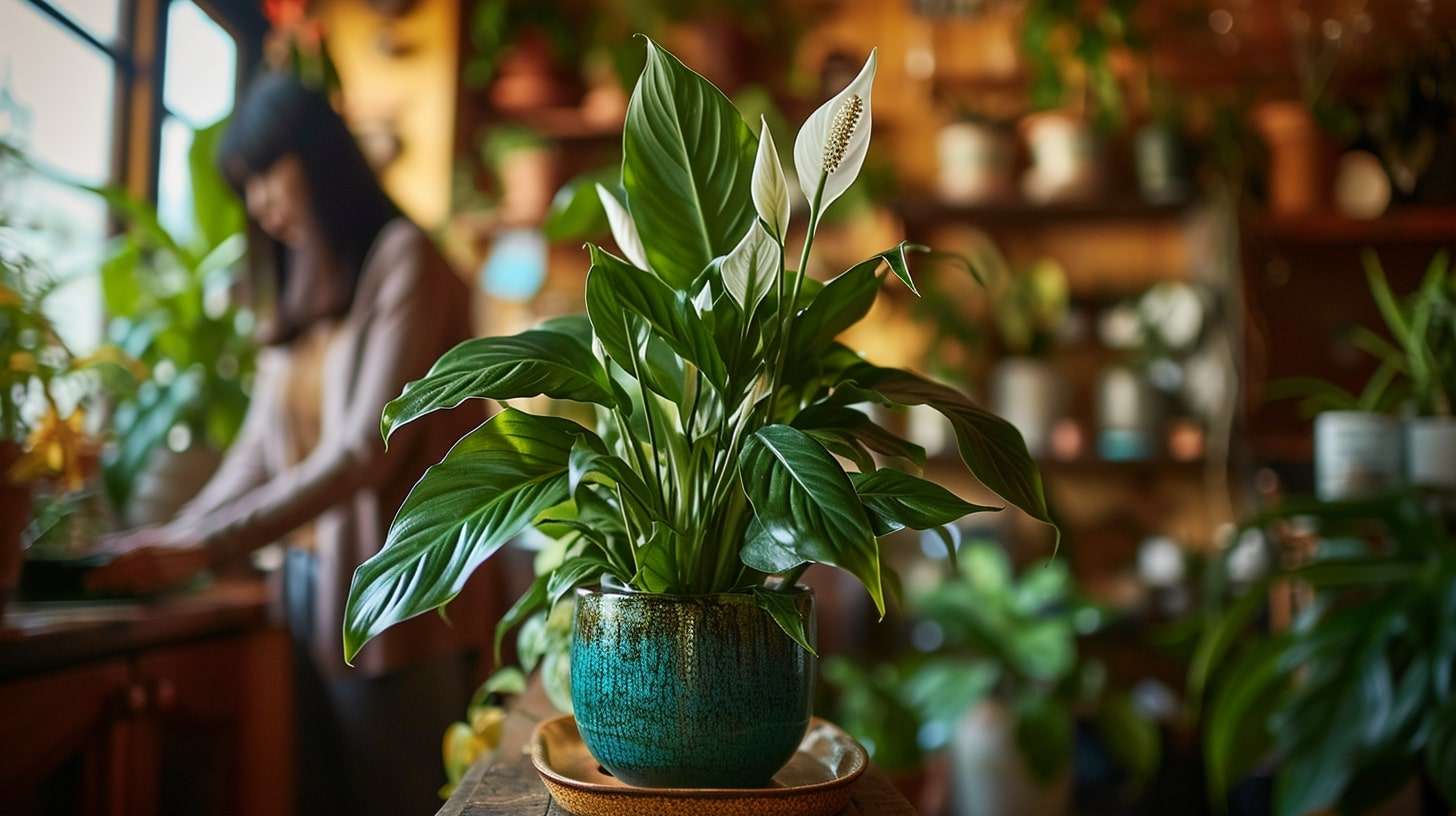
Shining a Light on Peace Lily: Unveiling its Light Requirements
For houseplant enthusiasts, the Peace Lily, scientifically known as Spathiphyllum, is a familiar and beloved indoor plant.
This introduction to the Peace Lily light requirements will provide an overview of its characteristics and highlight its unique features.
Overview of Peace Lily as a Houseplant
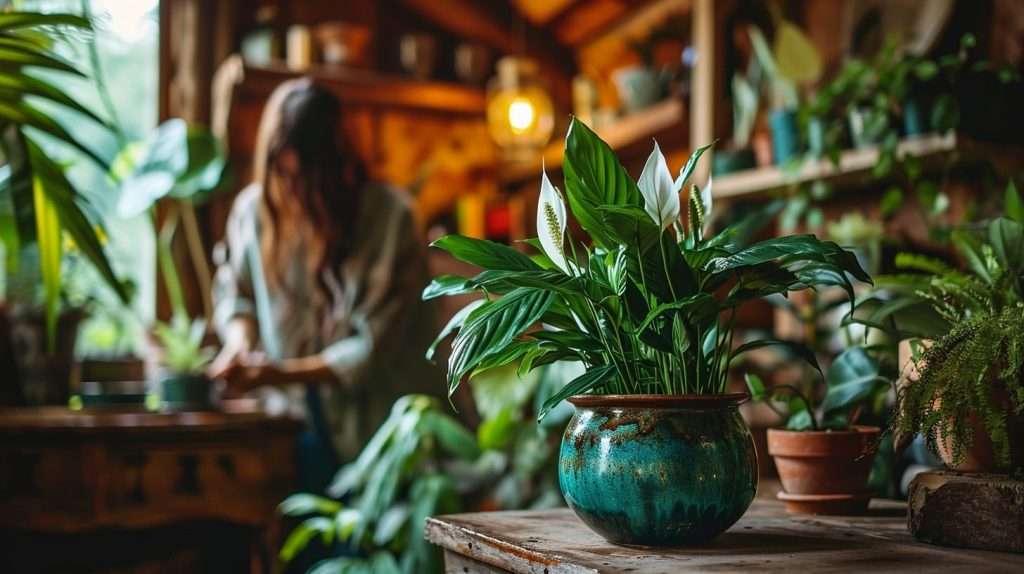
The Peace Lily is highly favored for its lush, green foliage and stunning white flowers that bring a touch of tranquility and elegance to any space. Being a tropical plant, it thrives in warm, humid environments, making it a perfect addition to indoor spaces.
One of the main reasons why the Peace Lily is such a popular houseplant is its adaptability. It’s known for its hardiness and ability to survive in various indoor environments, making it an excellent choice for both novice and experienced plant owners.
It’s also loved for its air-purifying abilities, effectively filtering out common indoor pollutants.
Understanding the specific requirements of the Peace Lily, such as its light, water, and temperature needs, is crucial for its healthy growth. If you’re new to caring for this plant, you can learn more in our comprehensive guide on how to care for a peace lily.
Key Features of Peace Lily
The Peace Lily stands out for its distinct features. Its glossy, dark green leaves provide a perfect backdrop for its unique flowers. These flowers, known as spathes, are usually white and bloom periodically throughout the year.
The actual flower is the spike (spadix) that grows from the base of the spathe.
Another noteworthy feature of the Peace Lily is its compact size, which typically ranges from 1 to 4 feet in height. This makes it a versatile plant that can be placed in different areas of your home, from tabletops to floor spaces.
However, one of the standout characteristics of the Peace Lily is its light requirements. While it can tolerate low light conditions, it thrives best in medium to bright, indirect light.
But how can you tell if your Peace Lily is getting the right amount of light? And how can you adjust light conditions to meet its needs?
These questions will be answered in the following sections, exploring the Peace Lily’s light requirements and how to manage them effectively.
Light Requirements for Peace Lily
A key aspect of maintaining a thriving Peace Lily plant is understanding its light requirements. As this elegant houseplant originates from the tropical rainforest, it has adapted to thrive under certain light conditions.
Understanding the Importance of Light
Light plays an integral role in photosynthesis, the process plants use to convert light, water, and carbon dioxide into glucose. This process fuels the plant’s growth and overall health.
For peace lilies, the right amount of light can encourage lush, green leaves and the production of its iconic white flowers.
However, like any houseplant, finding the right balance of light is crucial. Too little light can lead to leggy growth and a lack of flowers, while too much light can cause leaf burn.
If you notice any signs of these conditions, you might want to check out our articles on yellow leaves on peace lily or peace lily brown leaves.
Optimal Light Conditions for Peace Lily
Peace Lilies prefer bright, indirect light. This means they do best in a location where they can receive plenty of light, but not directly.
Direct sunlight can cause the leaves to turn yellow or brown, a sign of scorching.
| Environment | Light Condition |
|---|---|
| Near north-facing window | Ideal |
| Few feet away from east/west-facing window | Ideal |
| Directly in front of south-facing window | Too much light |
An ideal location would be near a north-facing window or a few feet away from an east or west-facing window.
If you only have south-facing windows, it’s best to place the Peace Lily further into the room or behind a sheer curtain to diffuse the light.
Keep in mind that light conditions may change throughout the year, so it’s important to observe your Peace Lily and adjust its position as needed. If you notice signs of stress, such as wilting or drooping, you might want to review our articles on peace lily drooping or peace lily wilting for more insights.
In conclusion, understanding the peace lily light requirements is a crucial part of how to care for a peace lily.
With the right light conditions, your Peace Lily can grow into a stunning addition to your indoor plant collection.
Common Signs of Inadequate Light
Just as peace lilies have specific water and nutrient needs, they also have certain light requirements for optimal health and growth.
Understanding how to identify the signs of inadequate light can help ensure your peace lily thrives.
Peace Lily with Too Little Light
If a peace lily doesn’t receive enough light, a few common signs may become noticeable. The plant may exhibit slow growth or fail to produce flowers. The leaves may also become darker green, as the plant tries to absorb as much light as possible.
In severe cases, the leaves might turn yellow or even start wilting. If you notice these signs, consider moving your peace lily to a location with brighter, but still indirect, light.
For more information on how to revive a peace lily showing signs of inadequate light, read our article on peace lily drooping.
| Sign | Cause |
|---|---|
| Slow growth | Lack of light inhibits photosynthesis |
| Darker leaves | Plant trying to absorb more light |
| No flowers | Insufficient light for blooming |
| Yellow leaves | Severe lack of light |
Peace Lily with Too Much Light
Conversely, too much light can also harm a peace lily. Direct sunlight can scorch the leaves, leading to brown patches. The leaves may also turn yellow, a condition commonly referred to as “sunscald”.
In extreme cases, the leaves might become crispy and brittle, a sign of severe light damage.
If you notice these signs, it’s best to move your peace lily to a location with lower light intensity or diffuse the light using a curtain or other light-filtering solution.
You can learn more about resolving these issues in our article on peace lily brown leaves.
| Sign | Cause |
|---|---|
| Brown patches on leaves | Direct sunlight scorching the leaves |
| Yellow leaves | Sunscald from too much light |
| Crispy leaves | Severe light damage |
Understanding the peace lily light requirements and being able to recognize the signs of too little or too much light are crucial for maintaining a healthy plant.
Remember, balanced care is key when it comes to caring for peace lilies indoors.
Adjusting Light Conditions for Peace Lily
Even though peace lilies are forgiving houseplants that can adapt to various light conditions, it’s essential to provide them with the right amount of light to ensure healthy growth. Here are some tips for increasing or decreasing light exposure to meet the peace lily light requirements.
Tips for Increasing Light Exposure
If the peace lily shows signs of inadequate light, such as small leaves or lack of flowering, it might need more light. Here are some methods to increase light exposure:
- Relocate the Plant: Move the peace lily closer to a window, but make sure it’s not in direct sunlight. Peace lilies prefer bright, indirect light.
- Clean the Leaves: Dust can hinder light absorption. Use a damp cloth to gently clean the leaves.
- Use Reflective Surfaces: Placing a mirror or a white wall near the plant can help reflect light onto the leaves.
- Use Artificial Light: Fluorescent lights or grow lights can supplement natural light, especially during winter.
Remember, sudden changes can stress the plant, so it’s best to gradually increase the light exposure and observe how the plant responds.
For other care tips, check out our guide on how to care for a peace lily.
Techniques to Reduce Light Exposure
On the other hand, if the peace lily shows signs of too much light, such as yellow or brown leaves, it may need less light. Here are some techniques to reduce light exposure:
- Relocate the Plant: Move the peace lily to a location with less direct sunlight, such as a north-facing window or further away from any window.
- Use Blinds or Curtains: These can help diffuse the light and protect the plant from the intense midday sun.
- Provide Shade: If the plant is outdoors, consider moving it to a shadier spot or provide shade using other plants or a shade cloth.
- Rotate the Plant: Rotate the peace lily regularly to ensure even light distribution, which can prevent the leaves from getting scorched.
Keep in mind that peace lilies are adaptable and can recover from light stress if given proper care. If you notice yellow leaves on peace lily or peace lily wilting, adjusting light conditions might be the first step to help revive your plant.
By understanding and adjusting the light conditions, you can ensure your peace lily thrives and continues to be a beautiful addition to your indoor garden.
Extra Care Tips for Peace Lily
While understanding the peace lily light requirements is crucial, it’s equally important to ensure balanced care for your peace lily.
This includes proper watering, fertilization, and other care practices.
Importance of Balanced Care
Caring for a peace lily isn’t just about providing the right amount of light. To ensure that your peace lily thrives, it’s vital to offer balanced care – a combination of adequate light, appropriate watering, regular feeding, and proper pruning.
While peace lilies are tolerant and adaptable, they can show signs of distress if their needs aren’t met. These signs could manifest as yellow leaves, wilting, or brown leaves.
Paying attention to these signs can help you adjust your care routine and create a more conducive environment for your peace lily.
Watering and Fertilizing Recommendations for Peace Lily
When it comes to watering, peace lilies prefer moist but well-drained soil. It’s important to water the plant thoroughly and allow the excess water to drain out. Overwatering can lead to root rot, while underwatering can cause the plant to wilt.
If you notice your peace lily drooping, it might be a sign that it needs water.
As for fertilizing, peace lilies do not require heavy feeding. A balanced houseplant fertilizer every 2-3 months should suffice. Over-fertilizing can lead to salt buildup in the soil, which can harm the plant.
Here’s a brief table summarizing the watering and fertilizing recommendations for peace lilies:
| Care Aspect | Recommendation |
|---|---|
| Watering | Keep soil moist but well-drained |
| Frequency of Watering | Once a week or when the plant starts to droop |
| Fertilizing | Every 2-3 months with a balanced houseplant fertilizer |
Remember, every plant is unique and might require slight adjustments to these recommendations. Monitor your peace lily closely and modify your care practices as needed.
For more advanced care practices, such as repotting, pruning, or dividing your peace lily, refer to our detailed guides on how to care for a peace lily and caring for peace lilies indoors.
These guides provide comprehensive information to help you keep your peace lily healthy and lush.