Thriving in Serenity: The Ultimate Guide to Caring for Peace Lilies Indoors
Introduction to Peace Lilies
Peace lilies, with their glossy green leaves and charming white blooms, have become a favorite among houseplant enthusiasts. This introductory section aims to familiarize you with these elegant indoor plants and the reasons behind their popularity.
What are Peace Lilies?
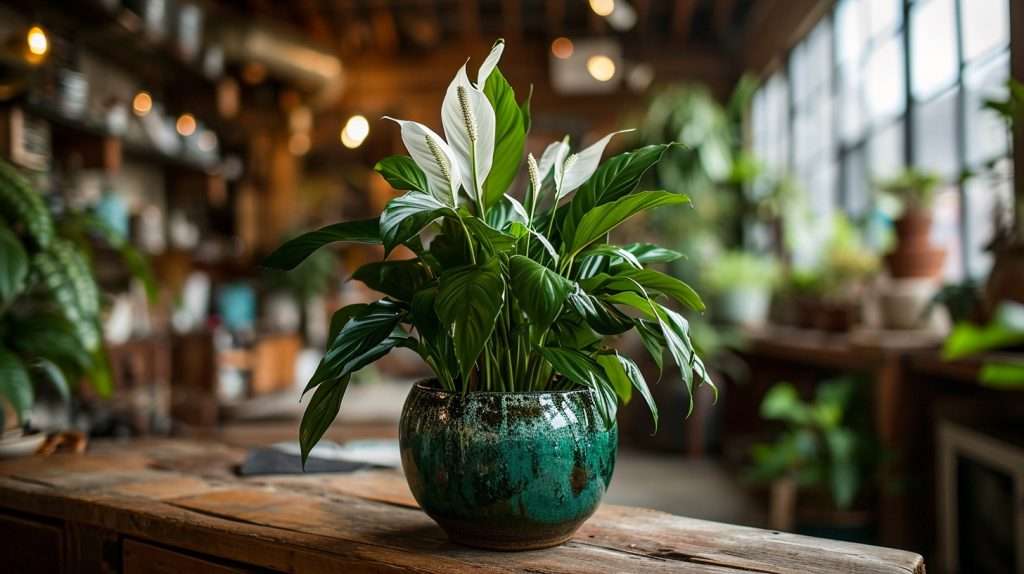
Peace Lilies, scientifically known as Spathiphyllum, are tropical, evergreen plants hailing from the rainforests of Central and South America. They are renowned for their dark green foliage and unique white flowers, which are not true flowers but spathes that surround the actual flowers. The spathes’ serene white color is what gives the plant its common name, Peace Lily.
Beyond their aesthetic appeal, Peace Lilies are also well-known for their air-purifying abilities. They are one of the few houseplants that can filter out harmful toxins from the air, contributing to a healthier indoor environment.
Why Choose Peace Lilies for Indoor Planting?
There are several reasons why you might want to consider caring for Peace Lilies indoors. First, they add a touch of elegance to any room with their lush foliage and distinctive blooms. They are relatively compact, making them suitable for small spaces such as apartments and offices.
Second, Peace Lilies are low-maintenance plants. They are resilient and can tolerate less-than-ideal conditions better than many other houseplants, making them a good choice for beginners. They thrive in indirect light and require moderate watering, aligning well with indoor environments.
Lastly, as mentioned earlier, Peace Lilies have excellent air-purifying qualities. They can absorb and neutralize harmful toxins, making your home’s air cleaner and safer to breathe.
In the subsequent sections, we will delve deeper into the care aspects of these beautiful plants, from understanding their ideal environment to dealing with common pests and diseases. Whether you’re a novice plant parent or a seasoned horticulturist, our comprehensive guide on how to care for a peace lily can help you give your Peace Lily the best possible care.
Understanding Peace Lily Care
When it comes to indoor plants, peace lilies are a favorite among many for their elegant appearance and ability to purify the air. However, like any other plant, they require specific care to thrive. In this section, we will discuss the importance of proper care and challenges faced when caring for peace lilies indoors.
The Importance of Proper Care
Proper care is crucial when it comes to nurturing any indoor plant, and peace lilies are no exception. These plants have specific needs in terms of light, watering, humidity, and feeding. By providing the right care, you can ensure that your peace lilies grow healthy and bloom beautifully, enhancing the aesthetics of your home.
A well-cared-for peace lily will also be more resistant to pests and diseases, ensuring its longevity. For a comprehensive guide on peace lily care, check out our article on how to care for a peace lily.

Challenges in Caring for Peace Lilies Indoors
Despite their relatively easy care requirements, a few challenges can arise when caring for peace lilies indoors. One of the most common problems faced by peace lily owners is yellowing leaves, which could be a sign of overwatering, poor light conditions, or nutrient deficiency.
If you notice yellow leaves on your peace lily, refer to our article on yellow leaves on peace lily for solutions.
Another common issue is wilting or drooping leaves. This could be due to underwatering, overwatering, or a sudden change in temperature or light conditions. For tips on how to manage wilting, visit our article on peace lily drooping.
Lastly, peace lilies may sometimes develop brown leaf tips or edges, which could indicate low humidity or over-fertilization. To learn more about how to handle this issue, check out our page on peace lily brown leaves.
Caring for peace lilies indoors can be a rewarding experience if you are aware of these challenges and know how to handle them. By understanding their needs and providing the right care, you can ensure that your peace lilies thrive in their indoor environment.
Ideal Environment for Indoor Peace Lilies
Creating the right environment is crucial when caring for peace lilies indoors. This involves maintaining an appropriate temperature range, ensuring adequate humidity, and providing optimal light conditions.
Suitable Temperature Range
Peace lilies thrive in a temperature range that’s typically comfortable for most people. They prefer temperatures between 65-85°F (18-29°C). It’s important to avoid extreme temperature fluctuations as they can stress the plant and lead to symptoms like wilting or yellowing leaves. If you notice your peace lily wilting or developing yellow leaves, check if the temperature conditions are within the optimal range.
| Temperature | Peace Lily Response |
|---|---|
| <65°F (18°C) | May cause the plant to enter dormancy |
| 65-85°F (18-29°C) | Ideal growing conditions |
| >85°F (29°C) | May cause heat stress and wilting |
Humidity Requirements
Peace lilies, being tropical plants, love high humidity.
A relative humidity level of around 50% or more is ideal for them. If the air in your home is too dry, you might notice brown tips or edges on your peace lily’s leaves. You can increase humidity by misting the leaves, placing a tray of water near the plant, or using a humidifier.
For more tips on preventing peace lily brown leaves, visit our dedicated article.
Light Conditions
When it comes to light, peace lilies prefer bright, indirect light.
However, they can also tolerate lower light conditions. Direct sunlight should be avoided as it can scorch the leaves, causing them to turn yellow or brown. If you’re unsure about the light conditions in your home, our article on peace lily light requirements can provide further guidance.
Remember, every peace lily may react slightly differently to its environment. It’s crucial to observe your plant’s responses to adjustments in temperature, humidity, and light, and make changes as needed. This will ensure your peace lily stays healthy and thrives in its indoor environment.
The Right Watering Routine
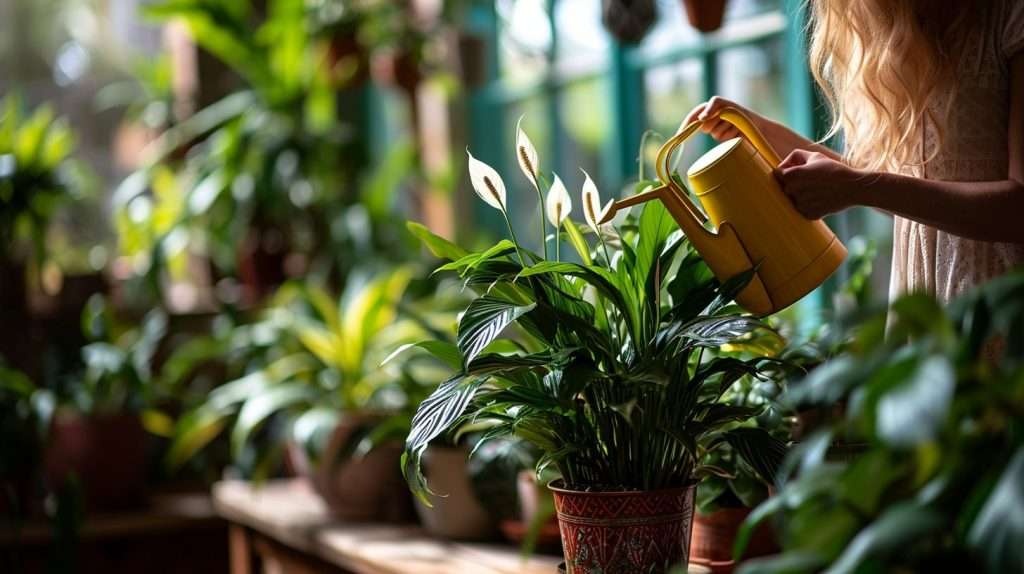
Watering is an essential aspect of caring for peace lilies indoors. Establishing the right watering routine can help these plants flourish and reach their full potential.
How Often to Water Peace Lilies
Generally, peace lilies prefer to be slightly on the dry side and should be watered approximately once a week.
However, the frequency of watering can depend on various factors such as the size of the plant, the pot size, and the indoor environment. It’s crucial to check the top inch of soil for dryness before watering.
Here’s a basic guide to watering frequency:
| Size of Plant | Pot Size | Frequency of Watering |
|---|---|---|
| Small | 6 inches | Once a week |
| Medium | 8 inches | Once a week |
| Large | 10 inches | Once to twice a week |
Signs of Overwatering and Underwatering
Identifying the signs of overwatering and underwatering can help maintain the health of your peace lilies.
Overwatered peace lilies may experience wilting, yellowing leaves, and root rot.
On the other hand, underwatered plants may have drooping leaves and brown leaf tips. Check out our articles on yellow leaves on peace lily and peace lily drooping for more information.
| Condition | Signs |
|---|---|
| Overwatering | Wilting, Yellow Leaves, Root Rot |
| Underwatering | Drooping Leaves, Brown Leaf Tips |
Tips for Proper Watering
Here are a few tips to ensure your peace lilies receive the right amount of water:
- Always check the top inch of soil for dryness before watering.
- Use lukewarm water, as cold water can shock the plant.
- Water the plant until water comes out of the drainage holes, then allow the plant to drain completely.
- Avoid letting the plant sit in water as this can lead to root rot.
Remember, the key to thriving peace lilies lies in a balanced watering routine. With careful observation and patience, you can master the art of watering these beautiful indoor plants. For more insights on caring for peace lilies indoors, visit our guide on how to care for a peace lily.
Feeding and Fertilizing Peace Lilies
Just like us, plants need to eat and it’s easy to think that the only thing you need to do to keep your plants alive is to water them and give them light.
But you’d be wrong.
Nutritional Needs of Peace Lilies
Peace lilies, like other houseplants, require a balanced diet of nutrients to thrive. Three essential nutrients for peace lilies are nitrogen (N), phosphorus (P), and potassium (K). Nitrogen promotes healthy leaf growth, phosphorus is essential for root development and flower production, and potassium enhances the overall plant vigor.
Apart from these, peace lilies also benefit from secondary nutrients like calcium and magnesium, and trace elements such as iron, manganese, zinc, copper, molybdenum, and boron. These elements, although required in smaller quantities, contribute to various biological functions within the plant.

Suitable Fertilizers
A general-purpose houseplant fertilizer can meet most of the nutritional needs of peace lilies. Ensure that the fertilizer you choose contains a balanced ratio of NPK (Nitrogen, Phosphorus, Potassium). A slow-release granular or liquid fertilizer can be a good choice, as it gradually provides nutrients over an extended period.
Avoid fertilizers with a high concentration of a single nutrient, as this might lead to nutrient imbalances, causing problems like yellow leaves on peace lily or peace lily brown leaves.
Fertilizing Schedule
Peace lilies typically require fertilization during their active growing period, which is usually in the spring and summer. During this time, feeding your peace lily once a month would suffice.
During the fall and winter months, peace lilies enter a resting phase, and fertilizing should be reduced or halted altogether. Over-fertilizing can lead to salt buildup in the soil that can harm the plant, potentially leading to issues like peace lily wilting or peace lily drooping.
Remember to always water your plant thoroughly after fertilizing to help distribute the nutrients evenly throughout the soil. If you’re unsure about the fertilizing needs of your peace lily, it’s better to err on the side of caution and under-fertilize.
Peace lilies are resilient plants and can do well even with less than optimal nutrient levels.
By understanding the nutritional needs of peace lilies and following a proper fertilizing schedule, you can ensure your peace lily stays healthy and vibrant. Successful fertilization is just one aspect of how to care for a peace lily; it’s also important to consider other factors such as light, water, temperature, and humidity requirements.
Pruning and Repotting Peace Lilies
Part of maintaining the health and beauty of peace lilies involves regular pruning and repotting. Both processes contribute significantly to the growth and longevity of your plant, making them essential aspects of caring for peace lilies indoors.
When to Prune Your Peace Lilies
Peace lilies don’t require extensive pruning. However, it’s good practice to regularly trim any yellow or brown leaves to maintain the plant’s appearance and overall health. You should also remove any spent flowers to encourage new blooms.
If you notice that your peace lily has yellow leaves or brown leaves, it is a sign that it needs pruning. Similarly, a drooping peace lily might also benefit from a little trim.
How to Properly Prune Peace Lilies
Pruning peace lilies is a straightforward process. You’ll need a pair of sharp, clean scissors or pruning shears. Start by identifying the leaves or stems that need removal – these are often discolored or wilted. Cut these off at the base, taking care not to damage the healthy parts of the plant.
For more detailed instructions on pruning, check out our article on pruning peace lilies.
The Right Time and Method to Repot
Peace lilies typically need to be repotted every 1-2 years, or when you notice the roots are overcrowding the pot. You can identify this by checking if the roots are growing out of the drainage holes or if the plant is lifting out of its pot.
To repot your peace lily, gently remove it from its current pot, taking care not to damage the roots. Trim any damaged or excessively long roots. Choose a new pot that is 1-2 inches larger in diameter than the current one, and fill it partway with fresh potting mix. Place the peace lily in the pot, ensuring it’s at the same depth it was previously planted. Fill the rest of the pot with soil, leaving about an inch from the top, then water thoroughly.
For a step-by-step guide on repotting, have a look at our article on repotting peace lilies.
Regular pruning and repotting are just two aspects of peace lily care. By incorporating these practices into your plant care routine, you can ensure your peace lilies stay healthy, vibrant, and full of life.
Dealing with Pests and Diseases
An essential part of caring for peace lilies indoors involves understanding how to manage pests and diseases that can affect your plant’s health. Let’s look at some common pests and diseases, preventive measures, and treatment options.
Common Pests and Diseases
Despite their resilience, peace lilies can still fall victim to a few pests and diseases. The most common culprits include:
- Spider mites: These tiny arachnids are often found on the undersides of leaves, sucking the sap and causing yellow or brown spots.
- Mealybugs: These pests appear as white, cottony clusters on the plant, causing wilting and yellowing of leaves.
- Root rot: This is a common disease in peace lilies, often caused by overwatering, resulting in brown, mushy roots and wilting of the plant.
Understanding these threats allows you to monitor your peace lily closely and intervene when necessary.
Preventive Measures
Prevention is often the best strategy when it comes to maintaining the health of your peace lily. Here are some preventive measures:
- Proper Watering: Overwatering can lead to root rot. Ensure you’re following the correct watering routine for your peace lily.
- Regular Inspection: Regularly inspect your peace lily for early signs of pests or diseases. Look for changes in leaf color or texture, such as yellow leaves or brown spots.
- Clean Environment: Keep the area around your peace lily clean to prevent the buildup of dust and pests.
Treatment Options
If your peace lily falls prey to pests or diseases, don’t worry – there are several treatment options available:
- Insecticidal Soap: This can be used to treat spider mites and mealybugs. Spray it onto the affected areas of your peace lily.
- Neem Oil: This natural insecticide can deal with a variety of pests and also helps to prevent fungal diseases.
- Root Rot Treatment: If your peace lily has root rot, you’ll need to remove it from its pot, trim away the affected roots, and repot it in fresh, well-draining soil.
Remember that each peace lily is unique, and what works for one might not work for another. Monitor your plant closely after treatment to ensure it’s recovering and thriving. By understanding how to manage pests and diseases, you’re well on your way to successfully caring for peace lilies indoors.