
Nurturing Snake Plant Temperature Tolerance: 3 Simple Tips for Keeping it “Just Right!”
When it comes to maintaining a healthy environment for your snake plants, understanding their temperature tolerance is essential.
Snake plants, also known as Sansevieria, are known for their ability to adapt to various temperature conditions. Let’s explore their ideal temperature range, cold tolerance, and the importance of avoiding temperature fluctuations.
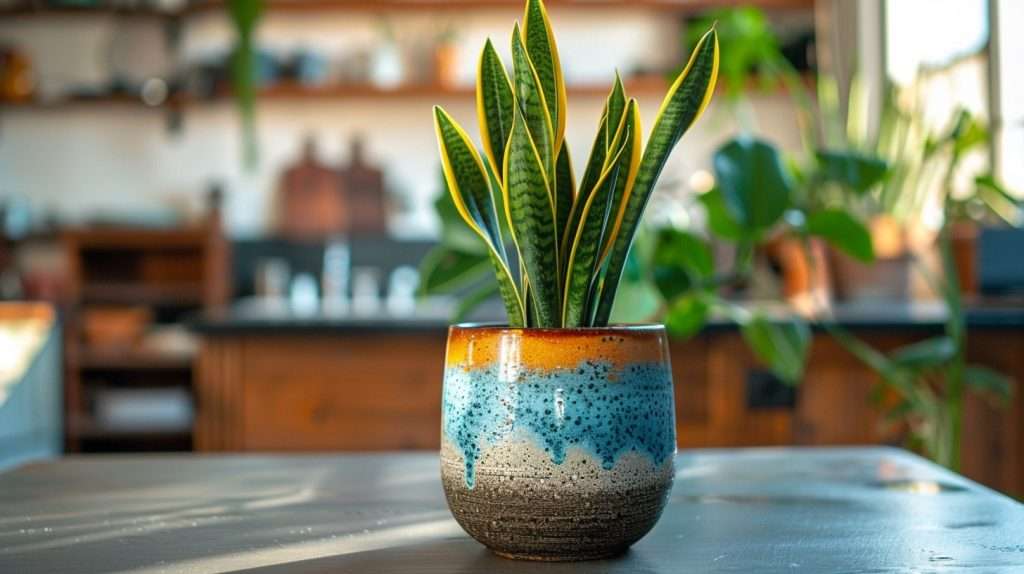
Snake Plant Temperature Tolerance
We always want to strive for the ideals with our plants. But sometimes it’s good to know what they can tolerate and this is especially true with snake plants temperature tolerance.
Ideal Temperature Range for Snake Plants
Snake plants prefer temperatures between 70°F (21°C) and 90°F (32°C), which provides the most favorable conditions for their growth and development. However, they can still survive outside of this range, showcasing their resilience (Garden for Indoor). It’s important to note that these temperature preferences may vary slightly depending on the specific snake plant species.
Cold Tolerance of Snake Plants
While snake plants can tolerate a wide range of temperatures, they are more susceptible to damage from cold temperatures than heat. Exposing snake plants to temperatures below 50°F (10°C) for an extended period can cause damage or even kill the plant. However, occasional drops in temperature during the night are generally well-tolerated as long as they are not sustained or extreme. A few hours of temperatures in the 50s°F (10s°C) should not harm the plant.
To protect your snake plants from cold temperatures, it’s important to bring them indoors during the colder months if you live in a region with harsh winters. This will help prevent any potential damage caused by prolonged exposure to cold air.
Avoiding Temperature Fluctuations

Snake plants prefer stable and consistent temperatures rather than frequent fluctuations. Sudden changes in temperature can stress the plant and impact its overall health. Therefore, it’s important to avoid placing snake plants in areas with significant temperature variations, such as near drafty windows or doors.
To maintain a stable temperature environment for your snake plants, consider the following tips:
- Keep your snake plants away from air conditioning vents, radiators, and direct heat sources that may cause sudden temperature changes.
- Avoid placing snake plants near windows that receive direct sunlight, as the temperature near windows can fluctuate throughout the day.
- Monitor the indoor temperature regularly to ensure it remains within the ideal range for your snake plants.
By providing your snake plants with a stable temperature environment, you can ensure their well-being and promote healthy growth. Remember to consider other important factors of snake plant care, such as light requirements, watering schedule, and soil requirements, to create an optimal environment for your beloved houseplants.
Creating the Optimal Temperature Environment
To ensure the well-being of your snake plant, it’s important to create an optimal temperature environment that aligns with its temperature tolerance. By considering indoor temperature, protecting the plant from extreme heat, and avoiding drafty areas, you can provide the ideal conditions for your snake plant to thrive.
Indoor Temperature Considerations
When it comes to indoor temperature, snake plants prefer a moderate and consistent climate. They can tolerate temperatures as low as 50°F (10°C) and as high as 85°F (29°C). This wide temperature tolerance makes them suitable for a range of indoor environments.
To maintain the optimal temperature for your snake plant, aim for a temperature range between 60°F (15°C) and 80°F (27°C). This range provides a comfortable and stable environment that promotes healthy growth. Avoid exposing your snake plant to extreme temperature fluctuations, as they are sensitive to sudden changes in temperature.
Protecting Snake Plants from Extreme Heat
While snake plants can tolerate high temperatures, it’s important to protect them from extreme heat. Direct exposure to intense sunlight or heat sources can cause damage to the plant. If you place your snake plant near a window, ensure that it is protected from the scorching rays of the sun. Consider using sheer curtains or blinds to filter the sunlight and prevent overheating.
If you live in an area with consistently high temperatures, it’s advisable to keep your snake plant in a shaded area or provide artificial shade. This can be achieved by using a sheer cloth or placing the plant away from direct sunlight. Maintaining a comfortable temperature range will help prevent stress and maintain the health of your snake plant.
Avoiding Drafty Areas
Snake plants are sensitive to drafts and sudden changes in temperature. Therefore, it’s important to avoid placing them in drafty areas. Drafts can occur near windows, doors, or air conditioning vents. These fluctuations in temperature can stress the plant and affect its overall health.
When selecting a location for your snake plant, choose an area that is away from drafty spots. This will ensure that the temperature remains consistent and the plant is shielded from sudden temperature changes. By providing a stable environment, you create the ideal conditions for your snake plant to flourish.
Maintaining a suitable temperature environment is just one aspect of caring for your snake plant. For more information on snake plant care, including propagation, watering, and pruning, check out our comprehensive guide on how to care for snake plants.
Tips for Maintaining Temperature for Snake Plants
To ensure the well-being of your snake plants, it’s important to maintain optimal temperature conditions. Here are some helpful tips to help you monitor and adjust the temperature for your snake plants.
Monitoring Indoor Temperature
Regularly monitoring the indoor temperature is essential for maintaining the health of your snake plants. Keep a thermometer in the room where your snake plants are located to easily track the temperature. This will help you ensure that the temperature remains within the ideal range for snake plants.
Using Thermostats or Temperature Sensors
Consider using thermostats or temperature sensors in the area where your snake plants are kept. These devices provide accurate readings and can help you maintain a consistent temperature. By setting the thermostat to the recommended temperature range, you can ensure that your snake plants thrive in their environment.
Adjusting Temperature for Seasonal Changes
Snake plants prefer stable and consistent temperatures rather than frequent fluctuations (Garden for Indoor). As the seasons change, it’s important to adjust the temperature to accommodate these variations. During colder months, avoid exposing your snake plants to temperatures below 50°F (10°C) for extended periods. If necessary, you can move your snake plants to a warmer location or provide additional heat sources to maintain the ideal temperature range.
Remember, snake plants are sensitive to extreme temperature fluctuations and should be kept away from drafty areas or sudden temperature changes (The Spruce). Avoid placing your snake plants near air conditioning or heating vents, as frequent temperature fluctuations can negatively affect their health (The Spruce).
By carefully monitoring and adjusting the temperature for your snake plants, you can create an environment that promotes their growth and well-being. In addition to temperature, don’t forget to consider other important factors in snake plant care, such as light requirements, watering schedule, and soil requirements. With proper care, your snake plants will thrive and bring beauty to your indoor space.


