Brighten Up Your Home: Understanding Snake Plant Light Requirements
When it comes to caring for your snake plant, understanding its light requirements is essential for its overall health and growth.
Proper light exposure allows the snake plant to thrive and maintain its vibrant appearance. Let’s explore the importance of light for snake plants and the ideal light conditions they require.
Importance of Light for Snake Plants
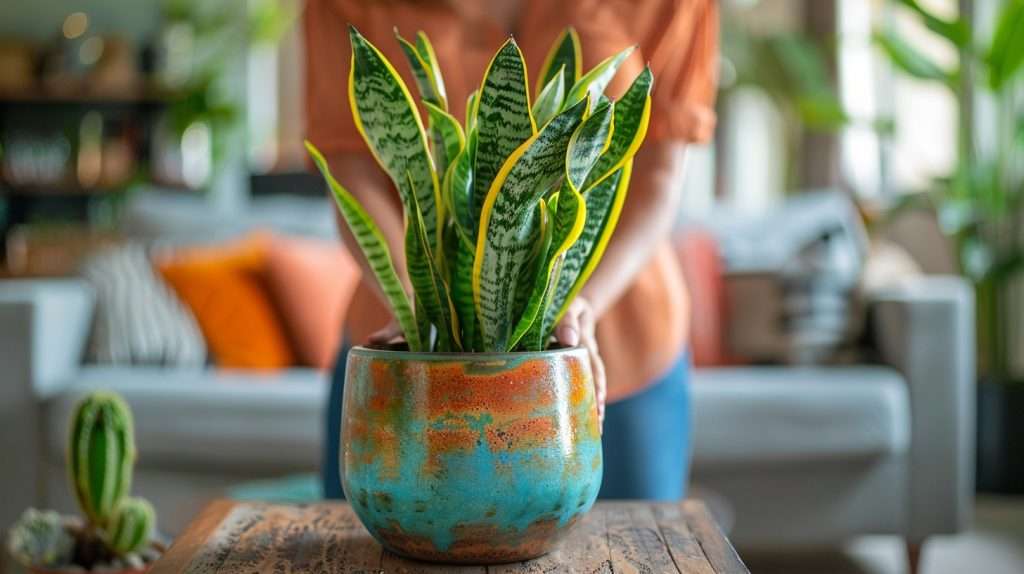
Snake plants, also known as Sansevieria, are native to West Africa and have adapted to thrive in various light conditions.
While they prefer plentiful sunlight, they can tolerate some light shade and continue to grow (Source). However, it’s important to note that snake plants will not grow without moderate sunlight and will not flower without more generous sun exposure.
Light is crucial for snake plants as it plays a vital role in the process of photosynthesis.
Through photosynthesis, plants convert light energy into chemical energy, which fuels their growth and development. Adequate light exposure ensures that snake plants can produce sufficient energy to thrive.
Snake Plant Light Requirements
Snake plants require bright, indirect light to thrive.
They can tolerate low light conditions, making them suitable for various indoor settings, including offices with fluorescent lighting. In their natural habitat, snake plants grow in the understory of forests, where they receive filtered light.
This adaptation allows them to thrive in lower light conditions (Leon & George).
To provide the ideal light conditions for your snake plant, place it near a window with filtered or indirect sunlight.
Avoid exposing the plant to direct sunlight, especially during the hottest parts of the day, as this can lead to leaf burn and damage. If you have limited natural light in your space, snake plants can still adapt and survive in low light conditions.
They are known for their ability to tolerate environments with little natural light, such as offices or rooms with small windows.
Remember that while snake plants can survive in low light conditions, moderate sunlight is necessary for their growth and overall well-being.
If your snake plant is not receiving enough light, it may show signs of insufficient light, such as slow growth, leggy appearance, or leaves losing their vibrant color. Adjusting the light exposure can help address these issues and promote healthier growth.
By understanding the importance of light for snake plants and providing them with the ideal light conditions, you can ensure that your snake plant thrives and adds beauty to your indoor space.
In addition to light, consider other aspects of snake plant care, such as watering, pot size, and soil requirements, to create an optimal environment for your plant to flourish.
Understanding Sunlight for Snake Plants
When it comes to the light requirements of snake plants, finding the right balance is crucial for their growth and overall health.
In this section, we will explore the sunlight tolerance of snake plants and the effects of direct sunlight on them.
Sunlight Tolerance of Snake Plants
Snake plants prefer plentiful sunlight, but they can tolerate some light shade and continue to grow.
However, it’s important to protect them from the hottest, southern sun during the summer months to prevent damage to their leaves. While snake plants can survive in low light conditions, they will not thrive without moderate sunlight.
To ensure optimal growth, it’s recommended to provide them with 8 to 10 hours of bright indirect sunlight daily.
Effects of Direct Sunlight on Snake Plants
Snake plants can withstand a few hours of direct sunlight each day.
This exposure can be beneficial as it stimulates growth and encourages flowering. However, it’s important to note that prolonged exposure to intense sunlight can scorch their leaves and cause damage.
To prevent leaf burn, it’s advisable to place snake plants in locations where they receive bright indirect light or provide them with filtered or dappled sunlight.
Direct sunlight can have varying effects on snake plants depending on the duration and intensity of exposure.
While they can tolerate some direct sunlight, it’s crucial to monitor their response. If you notice signs of leaf burn, such as brown spots or discoloration, it’s a clear indication that they are receiving too much direct sunlight.
Adjust their placement accordingly to protect them from excessive light exposure.
To provide the right balance for your snake plants, consider placing them near east-facing windows or use grow lights to ensure they receive adequate bright indirect light. This will help them thrive and maintain their vibrant appearance.
Understanding the sunlight requirements of snake plants is crucial for their overall well-being.
While they can adapt to different light conditions, it’s important to find the optimal balance of sunlight to ensure their growth, prevent leaf burn, and maintain their striking beauty.
By providing them with the right amount of bright indirect light or filtered sunlight, you can enjoy the benefits of these resilient and visually appealing houseplants.
Thriving in Low Light Conditions
Snake plants, also known as Sansevieria, are known for their adaptability to various light conditions.
They can tolerate low light environments, making them suitable for indoor settings with limited natural light, such as offices or rooms with small windows. The adaptability of snake plants to low light conditions is due to their ability to adjust their chlorophyll production, enabling them to survive with less sunlight.
Adaptability of Snake Plants to Low Light
Snake plants are native to West Africa, where they grow in the understory of forests.
This natural habitat has influenced their ability to thrive in lower light conditions (Leon & George). While snake plants can survive in poor light conditions, it’s important to note that they still require moderate sunlight to grow properly.
In low light environments, snake plants will adjust their growth pattern by producing more chlorophyll to maximize the limited sunlight available.
This adaptation allows them to continue photosynthesis and maintain their overall health and vitality. However, it’s important to remember that snake plants will not grow as vigorously in low light conditions compared to when they receive brighter, indirect light.
Signs of Insufficient Light for Snake Plants
Although snake plants can tolerate low light conditions, there are signs to watch out for that indicate insufficient light. If your snake plant is not receiving enough light, it may exhibit the following signs:
- Slow growth: If your snake plant is not growing as quickly as usual or if there is minimal new growth, it could be an indication of insufficient light.
- Leaf stretching: In low light conditions, snake plant leaves may elongate and become stretched as they reach towards the available light source. This can result in longer, weaker leaves.
- Fading leaf color: When snake plants don’t receive enough light, their leaves may become pale or lose their vibrant green color.
- Reduced variegation: If your snake plant has variegated leaves (leaves with patterns or different colors), insufficient light can cause the variegation to fade or become less pronounced.
If you notice these signs, consider providing your snake plant with brighter, indirect light or adjusting its location to a spot with more natural light. Snake plants still benefit from moderate sunlight, and ensuring they receive adequate light will promote healthier growth and maintain their characteristic beauty.
Understanding the adaptability of snake plants to low light conditions allows you to confidently incorporate them into indoor spaces with limited sunlight.
While they can survive in various light environments, it’s important to monitor their growth and make adjustments if signs of insufficient light appear. By finding the right balance of light, you can ensure your snake plant thrives and brightens up your home.
Finding the Right Balance
When it comes to providing the ideal light conditions for your snake plant, finding the right balance is key.
Here are some tips to help you provide the optimal lighting for your snake plant’s needs.
Providing Indirect Sunlight
Snake plants require bright, indirect light to thrive.
They can tolerate low light conditions, making them suitable for various indoor settings, including offices with fluorescent lighting. For optimal growth, aim to provide your snake plant with 8 to 10 hours of bright indirect sunlight daily. Placing them near east-facing windows can offer the ideal balance of light intensity and duration (Medium).
If your home lacks sufficient natural light, you can supplement it with artificial light sources like grow lights. These lights mimic the spectrum of natural sunlight and provide the necessary light energy for your snake plant’s photosynthesis process.
Preventing Leaf Burn
While snake plants can tolerate some direct sunlight, prolonged exposure to intense sunlight can lead to leaf burn.
To prevent this, it’s important to shield your snake plant from direct sunlight during the hottest parts of the day or if your plant is located near a window with intense sunlight.
Consider using sheer curtains, blinds, or placing your snake plant slightly away from the window to filter the sunlight. This will provide the plant with the desired amount of light without causing damage to its leaves.
Preventing Elongated and Weak Leaves
Insufficient light can cause snake plants to develop elongated and weak leaves as they stretch towards light sources (Abana Homes).
If you notice your snake plant’s leaves becoming leggy or leaning towards a light source, it’s a sign that it is not receiving enough light.
To prevent this, make sure to regularly rotate your snake plant to ensure even exposure to light from all sides. This will encourage balanced growth and prevent the plant from leaning or reaching towards a specific light direction.
Remember to monitor your snake plant’s response to the lighting conditions and make adjustments as needed. Every plant is unique, and it may take some trial and error to find the perfect balance of light for your snake plant’s optimal growth.
By providing your snake plant with indirect sunlight, preventing leaf burn, and avoiding elongated and weak leaves, you can create the ideal lighting conditions for your plant to thrive.
Remember to also consider other factors such as watering, pot size, and soil requirements to ensure your snake plant remains healthy and vibrant.