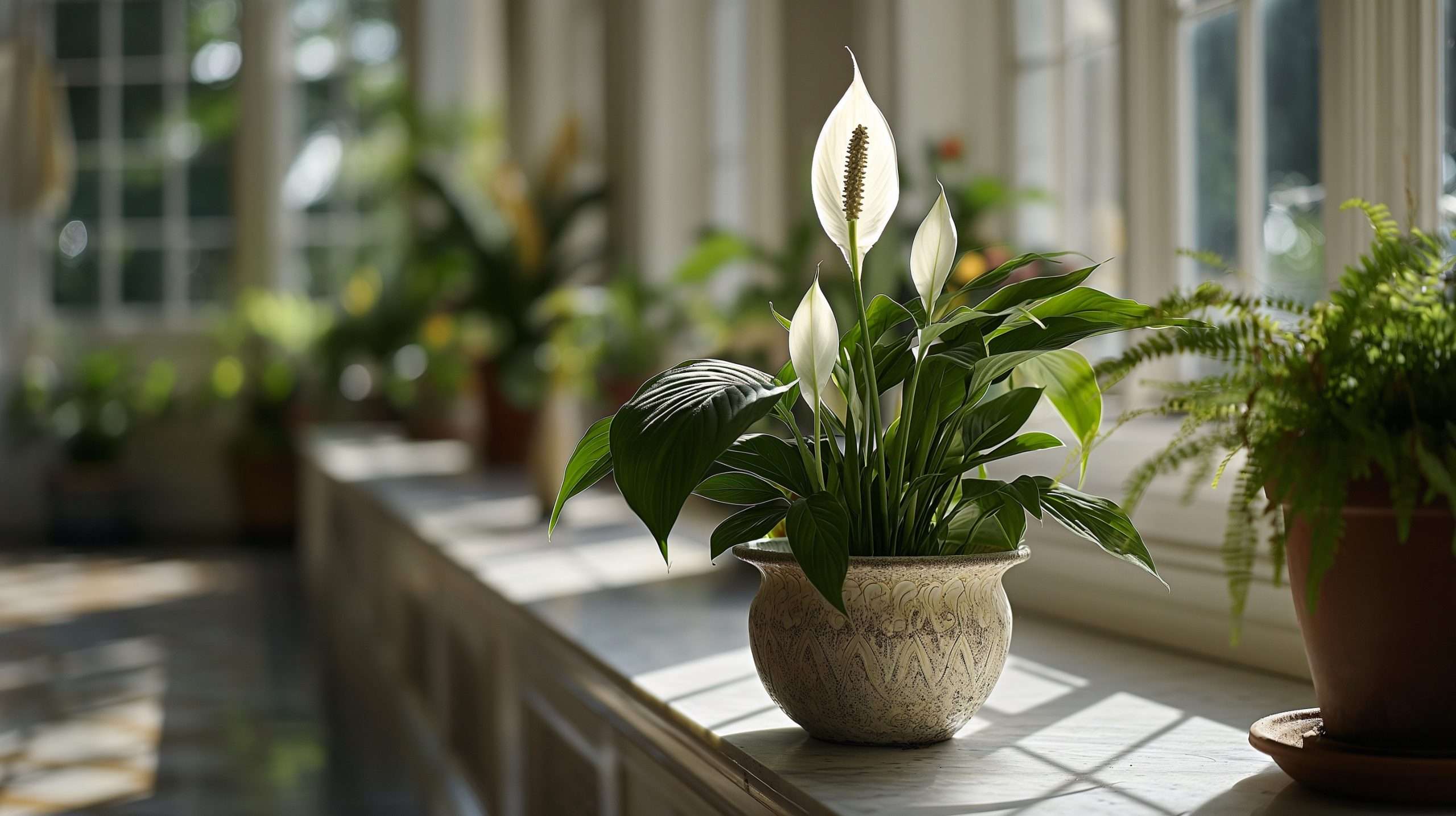
How to Care for Snake Plants: A Step-by-Step Guide (Plus 6 Pro Tips!)
When it comes to how to care for snake plants, a few key factors will contribute to its overall health and well-being.
In this complete guide, we will cover all the essential aspects of snake plant care, including light requirements, watering and soil needs, fertilizing, common pests and diseases, and tips for maintaining healthy snake plants.
Introduction to Snake Plants

Snake plants, also known as Sansevieria, are popular houseplants known for their low maintenance and ability to thrive in various indoor conditions.
Native to West Africa, these plants have become a favorite choice among houseplant lovers due to their unique foliage and hardy nature. Their long, upright leaves with vibrant green patterns make them an attractive addition to any space.
How to Care for Snake Plants

As with all houseplants, there are a few factors to keep in mind in order to keep your snake plant happy and healthy.
They include:
- Light Requirements
- Water Requirements
- Soil Requirements
- Fertilizer Requirements
- Pests & Diseases
We’ll go through each of these so that you know what to look out for with your Snake plant.
Light Requirements for Snake Plants
When it comes to light, snake plants are versatile and can tolerate a range of conditions.
However, they prefer indirect or low-light situations, making them well-suited for offices and other indoor spaces with limited sunlight. Direct sunlight can scorch the leaves, so it’s best to place your snake plant in an area with bright, indirect light (Lively Root).
For more information on snake plant light requirements, refer to our article on snake plant light requirements.
Watering and Soil for Snake Plants
Snake plants have a succulent-like nature, meaning they store water in their leaves.
This allows them to tolerate drought conditions and periods of neglect without suffering significant damage. When it comes to watering your snake plant, it’s crucial to strike a balance.
Overwatering can lead to root rot, while underwatering can cause the leaves to become limp and yellow.
To water your snake plant correctly, allow the soil to dry out completely between waterings.
Stick your finger into the soil about an inch deep – if it feels dry, it’s time to water. It’s essential to use well-draining potting soil and a pot with drainage holes to prevent water from sitting in the soil, which can lead to root rot.
For more detailed information on watering and soil requirements, visit our article on snake plant watering schedule and snake plant soil requirements.
Fertilizing Snake Plants
Snake plants are relatively low-maintenance when it comes to fertilizing.
They are not heavy feeders and can thrive without frequent fertilization. However, providing them with some nutrients can promote healthier growth. During the growing season, which typically occurs in spring and summer, you can fertilize your snake plant with a balanced houseplant fertilizer diluted to half the recommended strength. Apply the fertilizer once a month, following the instructions on the packaging.
For more information, check out our article on snake plant growth rate.
Common Pests and Diseases of Snake Plants
Like any houseplant, snake plants are susceptible to pests and diseases.
Some common pests that can affect snake plants include spider mites, mealybugs, and scale insects. Regularly inspect your plant for signs of infestation, such as webbing, sticky residue, or small insects on the leaves.
If you notice any pests, treat them promptly with appropriate insecticidal soaps or oils.
Snake plants can also be prone to root rot if the soil is kept consistently wet, or if there’s inadequate drainage.
To prevent this issue, ensure that your pot has drainage holes and allow the soil to dry out between waterings. Proper care and maintenance, including pruning, can help prevent common issues.
For more information on common pests and diseases of snake plants, refer to our article on snake plant care tips.
Tips for Maintaining Healthy Snake Plants
To maintain healthy snake plants, consider the following tips:
- Keep your snake plant in a well-lit area with indirect sunlight.
- Allow the soil to dry out between waterings to prevent overwatering and root rot.
- Use well-draining potting soil and a pot with drainage holes to promote good soil health.
- Fertilize sparingly during the growing season to provide essential nutrients.
- Regularly inspect your plant for pests and diseases, and take appropriate action if necessary.
- Prune any damaged or yellowing leaves to maintain a tidy appearance and prevent the spread of diseases.
By following these care guidelines, you can ensure that your snake plant thrives and continues to bring a touch of greenery to your indoor space.
Remember, each snake plant may have unique needs and preferences, so it’s important to observe and adjust your care routine accordingly.