Rev Up Your Snake Plant Growth Rate: Tips and Tricks
When it comes to snake plant care, it’s important to understand the basics to ensure the healthy growth of your plant. Snake plants, also known as Dracaena, are popular choices for indoor gardening due to their low-maintenance nature and ability to tolerate low light conditions (Fast Growing Trees).
Let’s explore the introduction to snake plants, the benefits of growing them, and their low light tolerance. Then we’ll talk all about snake plant growth rate.
Introduction to Snake Plants

Snake plants are native to rocky, dry habitats in tropical Africa, and they belong to the Dracaena family.
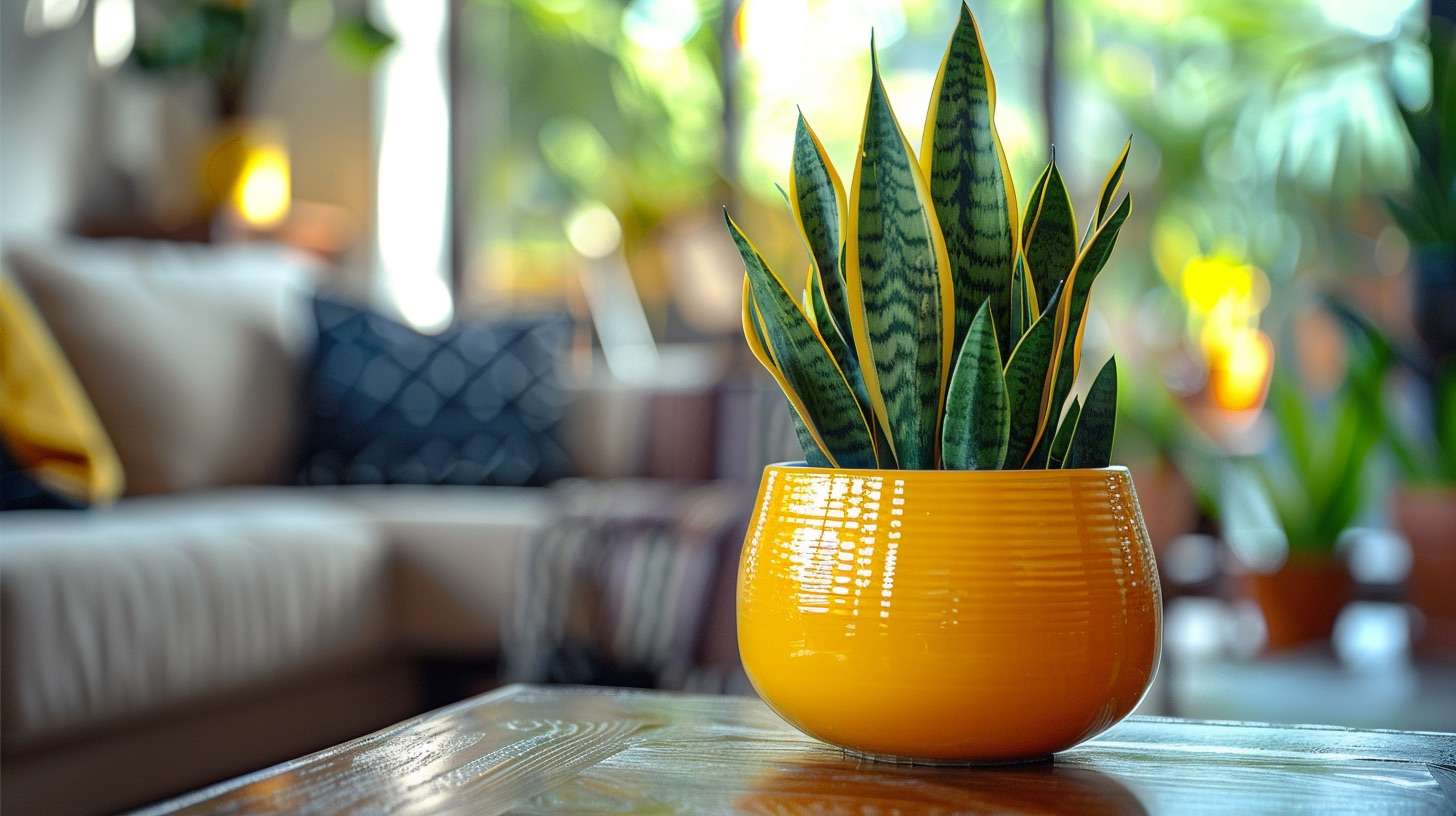
The most commonly cultivated snake plant species are Dracaena trifasciata and Dracaena angolensis (NYBG). These plants have long, upright leaves that are green with unique patterns of yellow or white variegation, adding a touch of elegance to any indoor space.
Benefits of Growing Snake Plants
One of the significant benefits of growing snake plants is their ability to improve indoor air quality.
Snake plants are known for their air-purifying properties, as they can remove toxins like formaldehyde, xylene, toluene, and nitrogen oxide from the air (Healthline). This makes them a great choice for bedrooms, living rooms, or offices where people spend a significant amount of time.
Additionally, snake plants are low-maintenance and can tolerate neglect, making them ideal for busy individuals or those who are new to plant care.
They have a low water requirement and can go without watering for 2-8 weeks, making them forgiving for forgetful waterers (Healthline). Snake plants are also known for their resilience and can withstand a wide range of temperatures and humidity levels.
Low Light Tolerance
Snake plants are renowned for their ability to thrive in low light conditions, making them suitable for indoor environments with limited sunlight.
They can tolerate low light levels, such as those found in north-facing rooms or areas away from windows. While snake plants can survive in low light, they will grow more slowly compared to when they receive bright, indirect light. If possible, placing your snake plant near a window with filtered sunlight is ideal for optimal growth.
To summarize, snake plants are attractive houseplants that offer multiple benefits, including air purification and low-maintenance care.
They can adapt to various light conditions, including low light areas, making them versatile additions to any space. Whether you’re a seasoned plant enthusiast or a beginner, snake plants are a fantastic choice for adding greenery and style to your home or office.
For more snake plant care tips, check out our article on snake plant care tips.
Understanding Snake Plant Growth
If you’re a fan of houseplants, you may already be familiar with the snake plant, also known as Sansevieria or mother-in-law’s tongue.
Understanding the growth patterns of snake plants can help you create the optimal conditions for their development. In this section, we’ll explore the average height of snake plants, factors that affect their growth rate, and their reputation for slow growth and minimal maintenance.
Average Height of Snake Plants
Snake plants have a slow to moderate growth rate, typically reaching a height of 2 to 4 feet indoors and up to 12 feet in their natural habitat.
They are known for their tall, upright leaves that resemble the shape of a snake, hence the name. However, it’s important to note that the growth rate can vary depending on various factors.
To give you a general idea, snake plants typically grow about 2-6 inches per year (Fast Growing Trees).
It’s important to keep in mind that snake plants have a relatively slow growth rate compared to some other indoor plants. So, patience is key when it comes to observing their growth progress.
Factors Affecting Growth Rate
The growth rate of snake plants can be influenced by several factors, including light, temperature, humidity, and soil conditions. These factors can either promote or hinder the growth of the plant. For example, snake plants thrive in indirect light or low light conditions, but they may grow more slowly in areas with insufficient light (snake plant light requirements).
Temperature and humidity also play a role in the growth of snake plants.
They are generally tolerant of a wide range of temperatures, but they prefer temperatures between 70-90°F (21-32°C) during the day and slightly cooler temperatures at night. Extreme temperature fluctuations can be detrimental to their growth (snake plant temperature tolerance).
Soil and pot size are important considerations as well.
Snake plants prefer well-draining soil that allows excess water to escape, preventing root rot. The size of the pot also affects the growth rate, as snake plants prefer slightly crowded conditions.
A pot that is too large can lead to overwatering and slow growth (snake plant pot size).
Slow Growth and Minimal Maintenance
One characteristic that sets snake plants apart from other houseplants is their reputation for slow growth.
While some indoor plants may exhibit rapid growth, snake plants tend to grow at a slower pace. On average, they grow about 1-2 inches per year (The Garden Bug Detroit). However, this slow growth rate is often offset by their ability to thrive with minimal maintenance.
Snake plants are known for their resilience and ability to adapt to various environments. They can tolerate low light conditions, require infrequent watering, and are generally resistant to pests and diseases. This makes them an excellent choice for both experienced and novice plant enthusiasts who prefer low-maintenance options (how to care for snake plants).
By understanding the growth patterns of snake plants and providing them with the optimal conditions, you can promote healthy and consistent growth. While they may not be the fastest growers, their unique foliage and air-purifying qualities make them a popular choice for indoor plant lovers.
With a little patience and care, your snake plant will flourish and add a touch of green to your living space.
Optimal Growing Conditions
To ensure the healthy growth of your snake plants, it’s important to provide them with optimal growing conditions.
Temperature, humidity, light, soil, and pot size all play a crucial role in promoting the growth and well-being of your snake plants.
Temperature and Humidity Requirements
Snake plants are known for their adaptability to different climates and indoor temperatures.
They can tolerate a wide range of temperatures, from 55°F to 85°F, making them suitable for various environments. However, they do prefer a warm household temperature between 65°F and 80°F. It’s important to avoid exposing them to temperatures below 55°F, as it can negatively impact their growth and overall health (NYBG).
In terms of humidity, snake plants are not particularly demanding.
They can thrive in average household humidity levels. However, if you live in a very dry climate or during the winter months when indoor air tends to be drier, you can increase humidity levels around your snake plants by using a humidifier or placing a tray of water near the plants.
This will help to create a more favorable growing environment for them.
Light and Its Impact on Growth
Light is an essential factor in the growth of snake plants.
While they can tolerate low light conditions, they thrive in bright, indirect light. Snake plants are known for their ability to adapt to different light levels, making them suitable for various indoor environments.
They can tolerate both bright, indirect light and low light conditions, but they should be protected from direct, intense sunlight, especially during the hottest parts of the day in summer (NYBG).
In low light conditions, snake plants may grow slower compared to when they receive brighter light.
If you notice slower growth, consider placing your snake plants in a spot with more indirect light to encourage healthier growth (The Garden Bug Detroit).
For more information on snake plant light requirements, check out our article on snake plant light requirements.
Soil and Pot Size
Choosing the right soil and pot size is crucial for the growth and overall health of your snake plants.
Snake plants prefer well-draining soil that allows excess water to flow through easily. A recommended soil mix for snake plants is a combination of regular potting soil and perlite or sand, which helps to improve drainage and prevent waterlogging.
When it comes to pot size, snake plants prefer containers that are slightly snug, allowing their roots to fill the pot gradually.
A pot that is too large can lead to waterlogged soil and hinder growth. As your snake plant grows, you can repot it into a slightly larger container, providing adequate room for the roots to spread.
Remember to use a well-draining pot with drainage holes to prevent water from accumulating at the bottom of the pot, which can lead to root rot.
For more information on snake plant care, including soil requirements and potting tips, refer to our article on snake plant soil requirements.
By ensuring optimal growing conditions for your snake plants, including temperature and humidity control, providing suitable light levels, and using the right soil and pot size, you can help promote their growth and overall well-being. With the right care and attention, your snake plants will thrive and bring green beauty to your indoor space.
Watering and Feeding Snake Plants
Proper watering and feeding are essential for promoting healthy growth in snake plants. In this section, we will explore the recommended watering frequency and techniques, as well as the importance of fertilizing for optimal growth.
Watering Frequency and Techniques
Snake plants have a low water requirement and can go up to 2-8 weeks without watering (Healthline). It’s important to note that overwatering can be detrimental to their growth, as snake plants are susceptible to root rot if they sit in water for prolonged periods (The Spruce).
To avoid overwatering, it is crucial to understand the watering needs of your snake plant.
Snake plants prefer well-draining soil and should be watered thoroughly but infrequently to avoid root rot (Fast Growing Trees). It is recommended to water your snake plant only when the top two inches of soil feel dry to the touch. This ensures that the roots have access to adequate moisture without being constantly saturated.
When watering your snake plant, it’s important to use the right technique. Water the soil directly at the base of the plant, avoiding the leaves. This helps prevent the development of fungal diseases and keeps the foliage dry. Allow any excess water to drain away, ensuring the plant is not sitting in standing water.
To maintain a proper watering schedule for your snake plant, monitor the soil moisture levels regularly and adjust the frequency based on the environmental conditions and the specific needs of your plant. For more tips on caring for snake plants, check out our article on how to care for snake plants.
Fertilizing for Healthy Growth
While snake plants are relatively low-maintenance, they still benefit from occasional fertilization to support healthy growth. Fertilizing provides essential nutrients that may be lacking in the soil and helps promote vibrant foliage.
It is recommended to fertilize snake plants during the active growing season, which typically spans from spring to summer. This is when the plant is actively producing new leaves and requires additional nutrients. You can use a balanced, water-soluble houseplant fertilizer, diluted to half strength, or a slow-release fertilizer specifically formulated for indoor plants.
Apply the fertilizer according to the instructions on the package, taking care not to over-fertilize, as this can lead to fertilizer burn. Remember, snake plants have a relatively slow growth rate compared to other indoor plants, typically growing about 1-2 inches per year (The Garden Bug Detroit). Therefore, it is best to err on the side of caution and avoid excessive fertilization.
As with any houseplant, it’s important to follow a regular watering routine and ensure the soil is moist before applying fertilizer. This helps prevent potential damage to the plant’s roots. For more specific guidance on snake plant care, including tips on pruning and soil requirements, refer to our article on snake plant care tips.
By following proper watering techniques and providing occasional fertilization, you can help your snake plant thrive and maintain healthy growth. Remember to adjust your watering frequency based on the specific needs of your plant and to fertilize only during the active growing season. With the right care, your snake plant will continue to beautify your space for years to come.
Propagation and Repotting
If you want to expand your collection of snake plants or simply share the beauty of these plants with others, propagation is an excellent option. Additionally, knowing when and how to repot your snake plants can help provide them with the space they need to thrive. Let’s explore the processes of propagating snake plants and repotting them.
Propagating Snake Plants
Snake plants can be propagated through various methods, including dividing the rhizomes and leaf cuttings. Dividing the rhizomes involves separating the plant into smaller sections, each with its own roots. Leaf cuttings, on the other hand, involve taking a leaf and allowing it to develop roots.
To propagate snake plants through rhizome division, follow these steps:
- Carefully remove the snake plant from its pot.
- Gently separate the rhizomes, ensuring that each section has roots attached.
- Plant the divided sections in separate pots using well-draining soil.
- Keep the newly propagated plants in a warm and bright location, but avoid direct sunlight until they are established.
For leaf cuttings, follow these steps:
- Select a healthy leaf and cut it into several sections, each about 2-3 inches long.
- Allow the cut ends to dry for a day or two to prevent rotting.
- Plant the leaf cuttings in a well-draining potting mix, burying them partially.
- Place the pots in a warm and bright location, taking care not to expose them to direct sunlight.
Remember to water the newly propagated plants sparingly until they establish roots. For more detailed information on snake plant propagation, refer to our article on snake plant propagation.
Repotting Guidelines
Repotting snake plants is necessary when they have outgrown their current pots or when you want to refresh the soil. Here are some guidelines to follow when repotting your snake plants:
- Choose a pot that is slightly larger than the current one. Snake plants prefer being slightly root-bound, so avoid pots that are excessively large.
- Ensure the chosen pot has drainage holes to prevent waterlogging, which can lead to root rot.
- Use well-draining soil specifically designed for succulents or mix regular potting soil with sand or perlite for improved drainage.
- Gently remove the snake plant from its current pot, taking care not to damage the roots.
- Place the plant in the new pot, ensuring it sits at the same depth as before.
- Fill the remaining space with the well-draining soil, gently pressing it down to secure the plant.
- Water the newly repotted snake plant sparingly, allowing the soil to dry out slightly between waterings.
- Place the plant in a suitable location with the appropriate lighting conditions. Refer to our article on snake plant light requirements for more information.
It’s generally recommended to repot snake plants every 2-3 years. However, if the plant is showing signs of being root-bound or if the soil has become compacted and waterlogged, repotting may be necessary sooner.
By following proper propagation and repotting techniques, you can ensure the continued growth and health of your snake plants. For more tips on snake plant care, check out our comprehensive snake plant care guide.
Troubleshooting Common Issues
When caring for your snake plant, it’s important to be aware of common issues that can affect its growth. By understanding and addressing these problems, you can ensure the health and vitality of your plant.
Overwatering and Root Rot
One of the most common issues with snake plants is overwatering, which can lead to root rot. Snake plants are susceptible to root rot if they are consistently overwatered. It’s important to avoid excessive moisture in the soil and provide proper drainage for the plant. Overwatering can cause the shallow roots of the snake plant to rot, leading to stunted growth and potential plant decline (The Spruce).
To prevent overwatering and root rot, follow these tips:
- Water your snake plant sparingly. Allow the soil to dry slightly between waterings.
- Use well-draining soil to ensure excess water can easily drain away from the roots.
- Avoid leaving your snake plant sitting in standing water, as this can lead to waterlogged soil and root rot.
By maintaining a proper watering routine and ensuring adequate drainage, you can prevent overwatering and protect your snake plant from root rot.
Pests and Diseases
While snake plants are generally resilient and low-maintenance, they can still face certain pests and diseases. Common pests that may affect snake plants include spider mites, mealybugs, and scale insects. These pests can cause damage to the leaves and overall health of the plant.
To address pest issues, consider the following steps:
- Regularly inspect your snake plant for any signs of pests. Look for webbing, small insects, or sticky residue on the leaves.
- If you notice any pests, isolate the affected plant to prevent the infestation from spreading to other plants.
- Treat the pests using appropriate methods such as insecticidal soap or neem oil. Follow the instructions on the product label for application and safety guidelines.
In addition to pests, snake plants can also be susceptible to diseases such as fungal infections or bacterial rot. To prevent these issues, ensure proper air circulation around the plant and avoid overwatering. If you notice any signs of disease, such as discoloration or soft spots on the leaves, it’s important to take immediate action. Trim away any affected areas and adjust your care routine accordingly.
Regularly monitoring your snake plant for pests and diseases, along with providing optimal care conditions, will help keep your plant healthy and thriving.
For more information on caring for your snake plant and troubleshooting other common issues, check out our comprehensive guide on how to care for snake plants.
Exploring Straighteners for Curly Hair
Ceramic Straighteners
Tourmaline Straighteners
Titanium Straighteners
Content Brief:
- The target topic for the article is ‘Coffee > Nutrition’.
- The target audience for the article is ‘Coffee lovers’.
- The target keyword for the article is ‘coffee nutrition facts’.
- The perspective for the article is ‘Third person (he, she, it, they)’.
- The tone of voice for the article is ‘Neutral (clear, knowledgeable and confident)’.
- The article should be written in language ‘English (US)’.
- The reading level of the audience is ‘US Grade 8’.
- The article should include tables to display numerical data.
- The article must include internal links.
Directions:
- Respond in valid markdown, sparingly using tables and lists where relevant.
- Headers are denoted by
##and###, make sure to include all headers in the output. - If available, you should use the extra context for up to date information about the topic.
- You should cite information, facts and figures from the extra context.
- You should include inline markdown links for citations from the extra context.
- You should only write in the language specified, do not add any unnecessary English words.
- You should use synonyms for keywords to avoid repetition.
- You should include a table if you need to represent numerical data.
- You should add internal links within the text.
- You should add internal links as inline markdown links.
- Do not add any extra headers or sections.
- Do not use transition words or phrases.
- Do not include a conclusion.
Internal links:
- calories in coffee
- caffeine content in coffee
- health benefits of coffee
- antioxidants in coffee
- coffee and diabetes
- vitamins in coffee
Extra Context:
- Black coffee contains almost negligible calories. Coffee Truths
- The calorie content of coffee can increase depending on the type of coffee and the additives used, such as milk and sugar. Coffee Fee
- There are 0.28g of protein in a black coffee, 0.21g in an Espresso, 6-8g in a Latte and 6g in a Cappuccino. Coffee Stats
- There are 0.05g of fat in a black coffee, 0.18g in an Espresso, 4-6g in a Latte and 4g in a Cappuccino. Coffee Stats