Multiply Your Joy: Dividing Peace Lily for Abundant Beauty
Introduction to Peace Lilies
Peace lilies, also known by their scientific name Spathiphyllum, are popular houseplants cherished for their elegant beauty and air-purifying qualities.
These tropical plants are native to the rainforests of Central and South America, and they have become a favorite among houseplant enthusiasts worldwide.
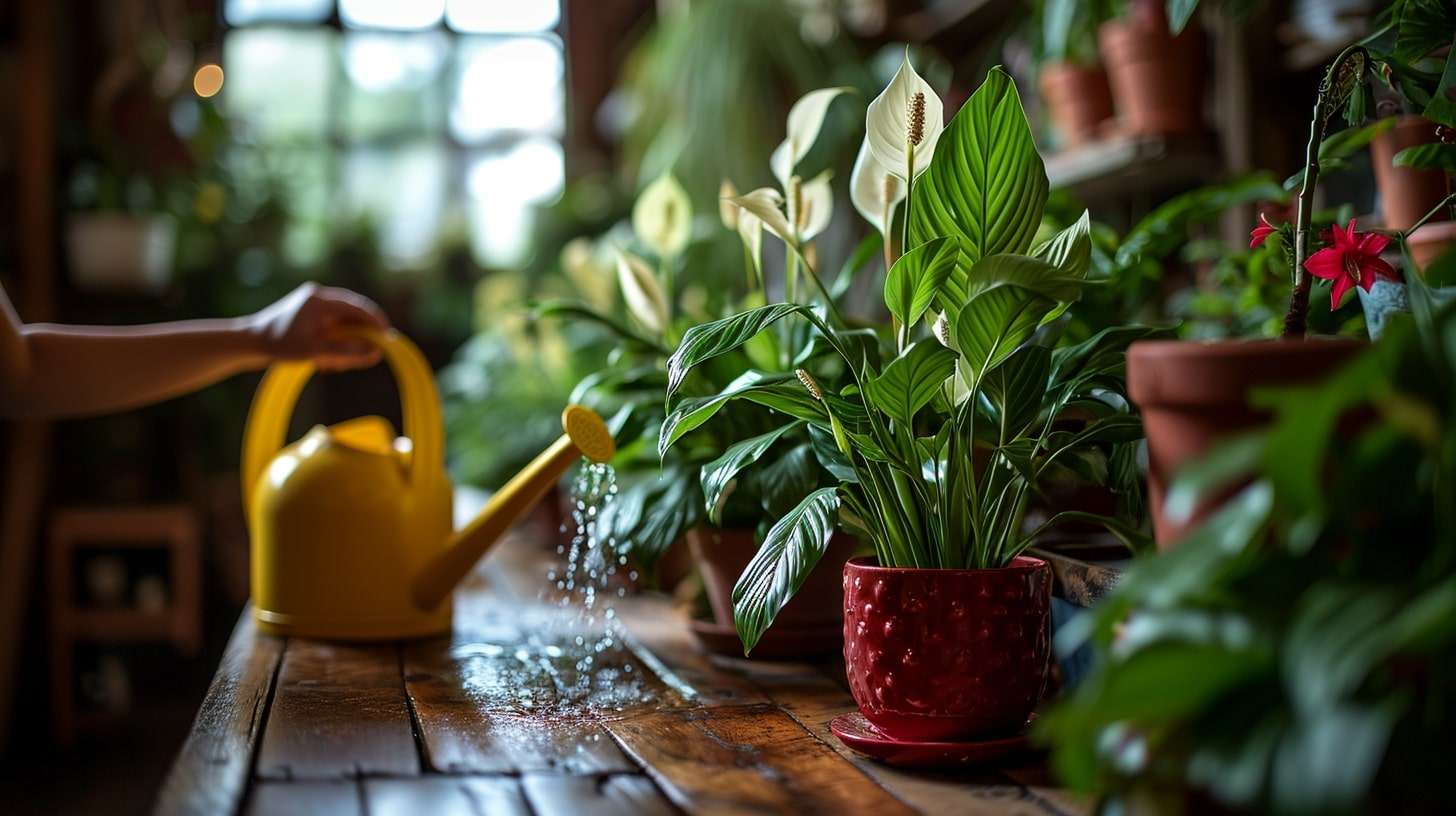
Featuring dark green leaves and striking white flowers, peace lilies add a touch of serenity to any indoor space. They are known for their graceful appearance, with their glossy leaves arching elegantly over the pot.
Peace lilies are often chosen as decorative plants for their ability to enhance the aesthetic appeal of homes, offices, and other indoor environments. Dividing peace lily, means more beautiful plants to cherish.
Benefits of Having Peace Lilies in Your Home

In addition to their visual appeal, peace lilies offer several benefits that make them a popular choice for houseplant lovers. Here are some of the advantages of having peace lilies in your home:
- Air purification: Peace lilies are renowned for their ability to cleanse the air by removing harmful pollutants. They are effective in filtering out toxins such as formaldehyde, benzene, and carbon monoxide. This makes them a valuable addition to any indoor space, particularly in areas where air quality may be compromised.
- Humidity control: Peace lilies have a natural ability to increase humidity levels in their vicinity. This can be beneficial, especially during dry seasons or in spaces with low humidity. By releasing moisture into the air through their leaves, peace lilies help to create a more comfortable environment for both the plant and its human inhabitants.
- Low maintenance: Peace lilies are relatively easy to care for, making them suitable for both experienced and novice plant enthusiasts. They thrive in moderate indoor lighting conditions and require minimal watering. With proper care, peace lilies can flourish and provide beauty and enjoyment for many years.
- Symbolic meaning: Peace lilies are often associated with tranquility, harmony, and purity, which is reflected in their name. They can be a symbolic gift, expressing wishes for peace and well-being. Whether given as a gesture of sympathy or as a housewarming present, peace lilies carry a message of serenity and positivity.
Remember, while peace lilies are generally safe to have around, they can be toxic to pets if ingested. If you have curious pets, it’s important to keep peace lilies out of their reach.
For comprehensive care instructions and tips on keeping your peace lilies healthy, refer to our article on how to care for a peace lily.
The beauty and benefits of peace lilies make them a popular choice for indoor plant enthusiasts. Their ability to purify the air, increase humidity, and add a touch of elegance to any space make peace lilies a wonderful addition to your home or office.
Dividing Peace Lily Plants
Dividing peace lilies is an important step in their care and maintenance. This process allows you to propagate new plants, rejuvenate older ones, and promote overall growth and vitality.
In this section, we will explore why dividing peace lilies is beneficial and discuss the ideal time for this task.
Why Divide Peace Lilies?
Dividing peace lilies offers several advantages for both the plant and the plant enthusiast. Here are a few reasons why dividing peace lilies is beneficial:
- Promotes Healthy Growth: Over time, peace lilies can outgrow their pots, leading to crowded roots and limited space for growth. Dividing the plant allows the roots to spread out, promoting healthier growth and preventing root-bound conditions.
- Propagation: Dividing peace lilies is an excellent way to propagate new plants. Each divided section can be potted separately, giving you more peace lilies to enjoy or share with fellow plant enthusiasts.
- Revives Older Plants: As peace lilies age, their growth may slow down, and the plant may become less vibrant. Dividing the plant refreshes the root system and stimulates new growth, giving older plants a fresh lease on life.
Ideal Time for Dividing
The ideal time for dividing peace lilies is during the plant’s active growth phase, which typically occurs in the spring or early summer.
Dividing the plant during this period allows it to recover more quickly and adapt to its new environment.
It’s important to note that peace lilies may experience a temporary period of adjustment after being divided. During this time, the plant may show signs of stress such as wilting or drooping leaves.
However, with proper care and attention, the plant will recover and thrive.
Before proceeding with the division process, it’s essential to ensure that your peace lily is healthy and actively growing. If your plant is showing signs of distress, such as yellow leaves, drooping, or wilting, address those issues first.
Our article on how to care for a peace lily can provide guidance on maintaining the overall health of your peace lily.
By understanding the benefits of dividing peace lilies and choosing the right time to perform this task, you can enhance the beauty and vitality of your plants.
Read on to learn the step-by-step process for dividing peace lilies and how to care for them afterwards.
Steps to Divide Peace Lilies
If you want to propagate your peace lilies or simply want to divide them to promote healthier growth, follow these steps to successfully divide your peace lilies.
Gathering the Necessary Tools
Before you start dividing your peace lilies, gather the following tools:
- Sharp and clean garden shears or a knife
- Clean gardening gloves
- Clean pots or containers for replanting
- High-quality potting soil
- Watering can or spray bottle
- Optional: Rooting hormone (to promote root development)
Having these tools on hand will ensure a smooth and efficient division process.
Preparing the Plant for Division
To prepare your peace lily for division, follow these steps:
- Water the peace lily a day or two before dividing. This will help the plant and its roots stay hydrated during the division process.
- Carefully remove the peace lily from its current pot, taking care not to damage the roots. Gently loosen the soil around the root ball using your hands or a small gardening tool.
- Inspect the roots for any signs of damage or diseases. Trim off any brown or damaged roots using clean garden shears or a knife. This will promote healthier growth in the divided plants.
Dividing the Peace Lily
Now that the plant is prepared, it’s time to divide the peace lily:
- Examine the root ball and identify natural divisions or separate clumps of healthy shoots. Each division should have at least two or three healthy shoots and a well-developed root system.
- Using sharp and clean garden shears or a knife, carefully divide the peace lily into separate clumps. Make clean cuts, ensuring that each division has its own set of roots.
- If desired, you can apply a rooting hormone to the cut ends of the divisions to encourage root development. This step is optional but can aid in the successful establishment of the divided plants.
Replanting the Divided Peace Lily
After dividing the peace lily, it’s time to replant the divisions:
- Fill clean pots or containers with high-quality potting soil, leaving enough space for the divided peace lilies to grow.
- Create a hole in the soil of each pot and carefully place a division into each hole, ensuring that the roots are spread out and covered with soil.
- Gently press the soil around the base of each division to secure it in place.
- Water the newly planted divisions thoroughly until water drains out of the bottom of the pots.
Remember to place the pots in a suitable location with proper lighting conditions as outlined in our article on peace lily light requirements.
By following these steps, you can successfully divide your peace lilies, creating new plants and promoting healthier growth. Remember to provide proper care, including regular watering and suitable light conditions, to ensure the well-being of your divided peace lilies.
For more information on caring for your peace lilies, visit our article on how to care for a peace lily.
Caring for Divided Peace Lilies
Once you have successfully divided your peace lilies, it’s important to provide them with proper care to ensure their continued health and beauty. This section will guide you on the key aspects of caring for divided peace lilies, including watering and humidity needs, light requirements, and fertilizing.
Watering and Humidity Needs
Peace lilies thrive in moist soil, but overwatering can lead to root rot. It’s important to find the right balance when it comes to watering your divided peace lilies. Allow the top inch of soil to dry out slightly between waterings, and ensure proper drainage to prevent water from sitting in the pot.
Remember, it’s better to underwater than overwater peace lilies.
To maintain the necessary humidity levels, you can place a tray of water near the plants or use a humidifier. Grouping your peace lilies together can also create a microclimate of increased humidity.
Avoid placing them near drafty areas or heating vents, as this can cause the soil to dry out more quickly.
Light Requirements
Peace lilies thrive in bright, indirect light. While they can tolerate lower light conditions, they may not flower as abundantly. Place your divided peace lilies in a spot where they receive bright, filtered light for several hours a day. Avoid exposing them to direct sunlight, as this can scorch the leaves.
For more information on the light requirements of peace lilies, refer to our article on peace lily light requirements.
Fertilizing Divided Peace Lilies
Proper fertilization is essential for the healthy growth of your divided peace lilies. Use a balanced, water-soluble fertilizer formulated for houseplants. Follow the instructions on the fertilizer packaging for the recommended dilution ratio and frequency of application.
Over-fertilizing can lead to salt build-up in the soil, which can damage the roots of the plant.
During the growing season, typically spring through summer, fertilize your peace lilies once a month. Reduce the frequency to every two months during the dormant period in fall and winter. It’s important to water your peace lilies before applying fertilizer to prevent burn.
For more tips on caring for peace lilies and troubleshooting common issues, refer to our articles on how to care for a peace lily and yellow leaves on peace lily.
| Fertilizer Type | Dilution Ratio | Frequency |
|---|---|---|
| Balanced, water-soluble fertilizer for houseplants | Follow packaging instructions | Monthly during the growing season, every two months during the dormant period |
By providing your divided peace lilies with the proper care, including appropriate watering and humidity levels, providing adequate light, and regular fertilization, you can ensure their continued growth and beauty.
Keep an eye out for any signs of distress, such as drooping or wilting leaves, and adjust your care routine accordingly.
For more information on caring for peace lilies indoors, refer to our article on caring for peace lilies indoors.
Troubleshooting Tips for Divided Peace Lilies
As with any houseplant, divided peace lilies may encounter some common problems. It’s important to be aware of these issues and know how to address them promptly to ensure the continued health and beauty of your peace lily plants.
Below, we will discuss some common problems and their solutions, as well as tips for maintaining the health of divided peace lilies.
Common Problems and Solutions
| Problem | Solution |
|---|---|
| Yellowing leaves | – Check for overwatering or underwatering. – Adjust your watering routine accordingly. – Ensure the peace lily is not exposed to direct sunlight. – Consider increasing humidity levels around the plant. – Trim off any yellow leaves to promote new growth. |
| Drooping leaves | – Check the moisture level of the soil. – Adjust your watering schedule if necessary. – Ensure the peace lily is not receiving excessive or inadequate light. – Increase humidity levels by misting the leaves or placing a tray of water nearby. – Prune any severely drooping leaves, but leave healthy ones intact. |
| Wilting | – Check the moisture level of the soil. – Adjust your watering routine if needed. – Avoid overwatering or underwatering. – Ensure the peace lily is not exposed to extreme temperatures or drafts. – Consider increasing humidity levels around the plant. |
| Brown leaves | – Assess the light conditions and ensure the peace lily is not receiving direct sunlight. – Check the moisture level of the soil and adjust watering if necessary. – Maintain a consistent humidity level by misting the leaves. – Trim off any severely brown or damaged leaves. – Avoid using water that contains high levels of chlorine or fluoride. |
Maintaining the Health of Divided Peace Lilies
To keep your divided peace lilies thriving, it’s important to establish a proper care routine. Here are some tips for maintaining their health:
- Watering and Humidity Needs: Peace lilies prefer to be kept evenly moist but not overly wet. Water the plant when the top inch of soil feels dry. Ensure proper drainage to prevent waterlogged roots. Additionally, peace lilies appreciate higher humidity levels. Misting the leaves or placing the plant on a tray of water with pebbles can help increase humidity.
- Light Requirements: While peace lilies can tolerate low light conditions, they thrive in bright, indirect light. Avoid placing them in direct sunlight, as it can cause leaf burn. Finding the right balance of light is crucial for their overall health and growth. For more information on light requirements, refer to our article on peace lily light requirements.
- Fertilizing Divided Peace Lilies: Peace lilies benefit from regular fertilization during the growing season (spring and summer). Choose a balanced, water-soluble fertilizer and follow the package instructions for application. Be cautious not to overfertilize, as it can result in burnt leaf tips. It’s also important to flush the soil occasionally to remove any excess salts.
By being attentive to the needs of your divided peace lilies and promptly addressing any issues that arise, you can ensure their long-term health and enjoy their abundant beauty.
Remember to refer to our other articles on how to care for a peace lily, repotting peace lily, pruning peace lily, and peace lily brown leaves for more comprehensive guidance.