Rubber Plant Leaves Drooping? Here’s How to Save Your Plant
To ensure that your rubber plant stays vibrant and thriving, proper care is essential. Understanding the needs of your rubber plant and how to maintain its health will contribute to the well-being of its leaves.
If you have rubber plant leaves drooping, I can help you fix that!
The Importance of Proper Care
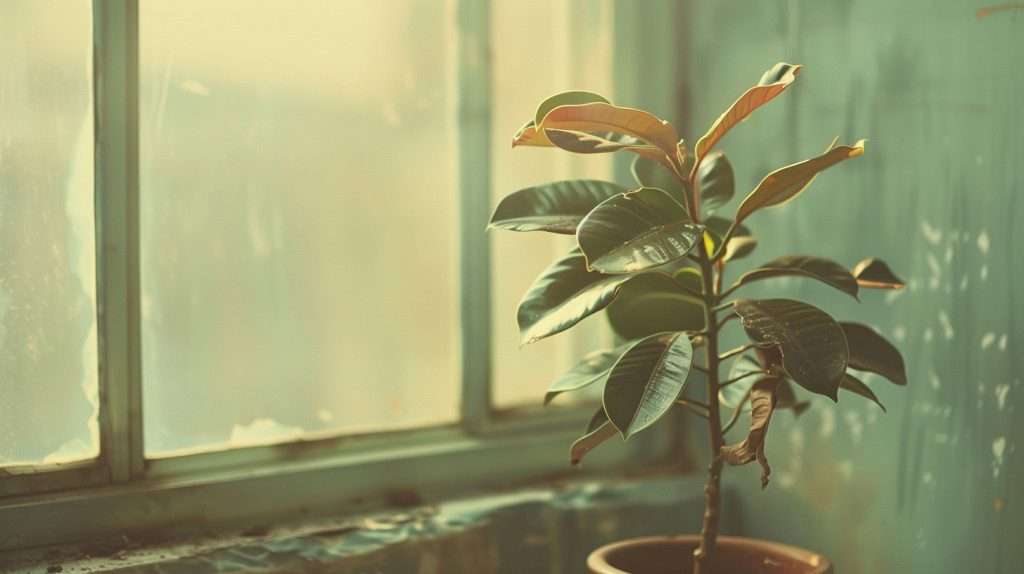
Proper care is crucial for the overall health and appearance of your rubber plant. By providing the right conditions and meeting its basic requirements, you can encourage lush, green foliage. Some key aspects of proper care include:
Lighting: Rubber plants prefer bright indirect light, but they can also adapt to medium levels of light. Placing your rubber plant no further than three to four feet away from a bright window is recommended for optimal growth and leaf health (Leon & George).
Watering: Consistency in watering is key for rubber plants. They should be watered when the topsoil feels dry, usually once a week to every ten days. Overwatering should be avoided, and watering frequency may be less frequent during winter months. Finding the right balance is crucial to prevent both overwatering and underwatering, which can lead to drooping leaves (Leon & George). For more information on watering, visit our article on rubber plant watering.
Fertilization: Rubber plants are considered fast growers and can reach up to 10 feet tall indoors under optimal conditions. Fertilizing the rubber plant 1-2 times per month in the spring and summer with indoor plant food, or using foliar feed year-round, can promote growth and keep the leaves healthy and vibrant (Leon & George).
Understanding Rubber Plant Leaves
The leaves of a rubber plant are a defining feature of its beauty. They are large, glossy, and typically dark green, adding a touch of elegance to any space. Understanding the characteristics of rubber plant leaves will help you identify signs of distress and take appropriate action.
Drooping leaves are often the first sign that something is amiss with your rubber plant. This could be a reaction to various conditions, such as overwatering, underwatering, insufficient light, or even a natural response to its growth pattern (Fiddle and Thorn). It’s important to assess the specific cause of drooping leaves in order to provide the necessary care and revive their health.
By providing proper care and understanding the needs of your rubber plant, you can help ensure that its leaves remain happy and healthy. Consistent attention to lighting, watering, and fertilization, along with regular observation of the leaves, will contribute to the long-term success of your rubber plant. For more information on rubber plant care, visit our article on rubber plant care.
Common Reasons for Drooping Leaves
If you notice your rubber plant’s leaves drooping, it’s essential to identify the underlying cause in order to address the issue effectively. Several factors can contribute to drooping leaves, including overwatering, underwatering, improper drainage, temperature changes, low humidity, and pests. Let’s explore each of these common culprits in more detail.
Overwatering: A Common Culprit
Overwatering is a common mistake when it comes to rubber plant care. Excessive water can lead to root rot, which causes the leaves to droop and fall off. It’s important to ensure that the soil is allowed to dry out slightly between waterings. Be sure to check the moisture level of the soil before watering and adjust your watering frequency accordingly. For more tips on how to properly care for your rubber plant, check out our comprehensive guide on rubber plant care.
Underwatering: Thirsty Leaves
On the other hand, underwatering can also cause your rubber plant’s leaves to droop and wilt. When the soil becomes too dry, the plant is unable to take in enough water, resulting in dehydration. It’s crucial to establish a consistent watering routine and ensure that the soil is consistently moist, but not waterlogged. Remember to water your rubber plant thoroughly, allowing excess water to drain out from the bottom of the pot.
Improper Drainage: A Soaking Situation
Proper drainage is essential for rubber plants to thrive. If the potting soil retains too much water due to improper drainage, it can lead to waterlogged soil and drooping leaves. To prevent this, make sure your rubber plant is potted in a container with drainage holes. This allows excess water to escape, preventing root rot and other moisture-related issues. Our guide on rubber plant indoor care offers more insights on maintaining optimal growing conditions.
Temperature Changes: Leaves in Shock
Rubber plants are sensitive to sudden temperature changes. Exposure to cold drafts or extreme fluctuations in temperature can cause the leaves to droop as a response to stress. To prevent this, keep your rubber plant away from drafty windows or doors, and maintain a consistent room temperature. Avoid placing the plant near heating or cooling sources that could create rapid temperature changes.
Low Humidity: Moisture Matters
Rubber plants prefer moderate to high humidity levels. In environments with low humidity, such as heated indoor spaces, the leaves can become dehydrated and droop. To increase humidity, consider using a humidifier, placing a water tray near the plant, or misting the leaves regularly. These measures can help create a more suitable environment for your rubber plant to thrive.
Pests: Uninvited Guests
Pests such as spider mites, mealybugs, and scale insects can infest rubber plants, causing stress and drooping leaves. Regularly inspect your plant for any signs of pests, such as tiny webs, sticky residue, or visible insects. If pests are detected, treat your rubber plant with the appropriate insecticide or use natural remedies like neem oil. Our guide on rubber plant diseases provides further information on identifying and treating common pests.
By understanding these common reasons for drooping leaves, you can take the necessary steps to revive your rubber plant and promote its overall health and well-being. Proper care, including consistent watering, adequate drainage, suitable temperature, optimal humidity, and regular pest prevention, will help prevent drooping leaves and keep your rubber plant thriving. Remember to be observant and patient, as it may take some time for your rubber plant to recover. Happy rubber plant care!
How to Revive Drooping Leaves
If you notice drooping leaves on your rubber plant, don’t fret! There are several steps you can take to revive your plant and get those leaves back to their healthy, upright position. Let’s go through the process together.
Assessing the Cause
The first step in reviving drooping leaves is to identify the underlying cause. Drooping leaves can be a result of various factors, including overwatering, underwatering, improper drainage, inadequate lighting, low humidity, or pests. Take some time to observe your rubber plant and consider the possible causes based on its care history and current conditions.
Adjusting Watering Habits
Overwatering is a common culprit behind drooping leaves. If you suspect overwatering, check the moisture level of the soil. If it feels excessively wet or if there is standing water in the pot’s saucer, it’s time to adjust your watering routine. Allow the soil to dry out before watering again, ensuring that the top inch of soil is dry to the touch. Remember, rubber plants prefer slightly dry conditions between waterings.
On the other hand, underwatering can also cause leaves to droop. If the soil feels dry and the plant appears dehydrated, it’s time to provide a thorough watering. Water the plant until water drains from the bottom of the pot, ensuring that the entire root ball receives moisture. Be sure to avoid waterlogging the soil, as this can lead to root rot.
Ensuring Proper Drainage
Proper drainage is essential for rubber plants to thrive. If your plant is sitting in waterlogged soil, it can suffocate the roots and cause the leaves to droop. To improve drainage, ensure that your pot has drainage holes at the bottom. If your pot doesn’t have drainage holes, consider repotting your rubber plant into a container that allows excess water to escape. For more information on repotting, check out our article on rubber plant repotting.
Providing Adequate Lighting
Rubber plants require bright, indirect light to thrive. If your plant is not receiving enough light, it may result in drooping leaves. Assess the location of your rubber plant and consider moving it to a spot where it can receive more light. Avoid placing it in direct sunlight, as this can scorch the leaves. If natural light is limited, you can supplement with artificial grow lights to provide the necessary brightness.
Managing Humidity Levels
Low humidity can also contribute to drooping leaves on rubber plants. These plants prefer moderate to high humidity levels to thrive. Increase humidity around your rubber plant by placing a tray filled with water near the plant or using a humidifier in the room. Misting the leaves occasionally can also help raise humidity levels. For more tips on creating a humid environment for your rubber plant, check out our article on rubber plant indoor care.
Dealing with Pests
Pests can cause stress to your rubber plant, leading to drooping leaves. Inspect your plant closely for signs of pests such as mealybugs, spider mites, or scale insects. If you notice any invaders, take appropriate action to eliminate them. This may involve using natural remedies, such as neem oil or insecticidal soap, or manually removing the pests from the plant. For more information on dealing with pests, refer to our article on rubber plant diseases.
By assessing the cause, adjusting watering habits, ensuring proper drainage, providing adequate lighting, managing humidity levels, and dealing with pests, you can help revive your rubber plant and bring its leaves back to their healthy state. Remember to be patient throughout the process and keep a close eye on your plant’s progress. With proper care and attention, your rubber plant will be on its way to recovery.
Preventing Drooping Leaves
To keep your rubber plant’s leaves happy and healthy, it’s important to take proactive steps to prevent drooping. By following a consistent care routine and implementing proper practices, you can help your rubber plant thrive. Here are some key strategies to prevent drooping leaves:
Consistent Watering Routine
Maintaining a consistent watering routine is essential for the health of your rubber plant. Overwatering or underwatering can both cause leaves to droop. To avoid overwatering, it’s important to ensure that the soil is well-drained and not waterlogged. Water your rubber plant when the topsoil feels dry to the touch, usually about once a week to every ten days. During the winter months, watering frequency may decrease. By providing the right amount of water at regular intervals, you can prevent both overwatering and underwatering issues. For more information on watering your rubber plant, check out our article on rubber plant watering.
Proper Drainage Practices
Proper drainage is crucial to prevent waterlogged soil and drooping leaves. Ensure that your rubber plant is planted in a pot with drainage holes to allow excess water to escape. Adding perlite to the potting mix can also enhance drainage. By ensuring the soil has proper drainage, you can prevent water from accumulating around the roots, which can lead to root rot and drooping leaves. For more information on repotting your rubber plant and improving drainage, visit our article on rubber plant repotting.
Finding the Right Lighting
Proper lighting is essential for the overall health of your rubber plant. Rubber plants prefer bright indirect light, but they can also adapt to medium levels of light. Place your rubber plant no further than three to four feet away from a bright window to provide it with the optimal amount of light. This ensures that your plant receives the energy it needs for healthy growth. If the lighting conditions are too low, your rubber plant may experience drooping leaves. For more information on providing the right lighting for your rubber plant, refer to our article on rubber plant indoor care.
Creating a Humid Environment
Rubber plants benefit from a moderate level of humidity, and low humidity levels can cause the leaves to droop. To create a humid environment, you can employ various methods such as misting the leaves with water, using a humidifier, or placing a tray of water near the plant. These measures help to increase the moisture in the air around your rubber plant, ensuring that it thrives in an optimal environment. For more tips on maintaining humidity levels for your rubber plant, check out our article on rubber plant care.
Regular Pest Prevention
Pests can also contribute to drooping leaves in rubber plants. Regularly inspect your plant for any signs of pests such as spider mites, mealybugs, or scale insects. If you notice any infestation, take immediate action to address the issue. You can use organic or chemical pest control methods to eliminate the pests and prevent them from causing further damage. Regularly cleaning the leaves with a damp cloth can also help prevent pest infestations. For more information on pest prevention for your rubber plant, refer to our article on rubber plant diseases.
By implementing these preventive measures, you can help your rubber plant maintain healthy, vibrant leaves. Consistent watering, proper drainage, suitable lighting, a humid environment, and regular pest prevention are key to preventing drooping leaves and ensuring the overall well-being of your rubber plant. With a little care and attention, your rubber plant will continue to thrive and bring beauty to your indoor space.
Your Rubber Plant’s Journey to Recovery
If you’ve taken the necessary steps to address the issues causing your rubber plant’s drooping leaves, it’s time to embark on the journey to recovery. With patience, observation, and proper care, you can help your rubber plant regain its health and vitality.
Being Patient and Observant
During the recovery process, it’s important to be patient and allow your rubber plant time to adjust. Keep a close eye on the plant’s progress and observe any changes in its foliage. Remember that it may take some time for new growth to emerge and for the plant to fully recover.
Pruning and Trimming Tips
Pruning and trimming can play a vital role in reviving drooping leaves and promoting overall plant health. Start by removing any dead or damaged leaves. This not only improves the aesthetic appearance of the plant but also helps redirect its energy towards new growth (Invincible Houseplants). Regular pruning can also prevent the rubber plant from becoming leggy or overgrown. Trim back any long or unruly branches to encourage new growth and maintain a more compact shape (Leon & George). For more information on rubber plant pruning, visit our article on rubber plant pruning.
Celebrating Healthy Leaves
As your rubber plant recovers, celebrate the emergence of healthy leaves. Vibrant, upright leaves indicate that your plant is receiving the right balance of water, light, and nutrients (Leon & George). Take this as a sign of successful recovery and continue providing the plant with the care it needs to thrive. For more tips on rubber plant care, visit our article on rubber plant care.
By being patient, attentive, and employing proper care techniques, you can guide your rubber plant on its journey to recovery. Remember to monitor its progress, adjust your care routine as needed, and celebrate the healthy leaves that signify a rejuvenated plant. With your dedication, your rubber plant will flourish and bring beauty to your indoor space for years to come.