The Ultimate Handbook: Rubber Plant Indoor Care Made Easy
If you’re a houseplant lover looking for a beautiful and easy-to-care-for addition to your indoor collection, look no further than the rubber plant. Understanding the needs of this popular houseplant will help ensure its health and longevity. Let’s explore the basics of rubber plant care and create an ideal environment for your rubber plant to thrive.
Understanding Rubber Plants
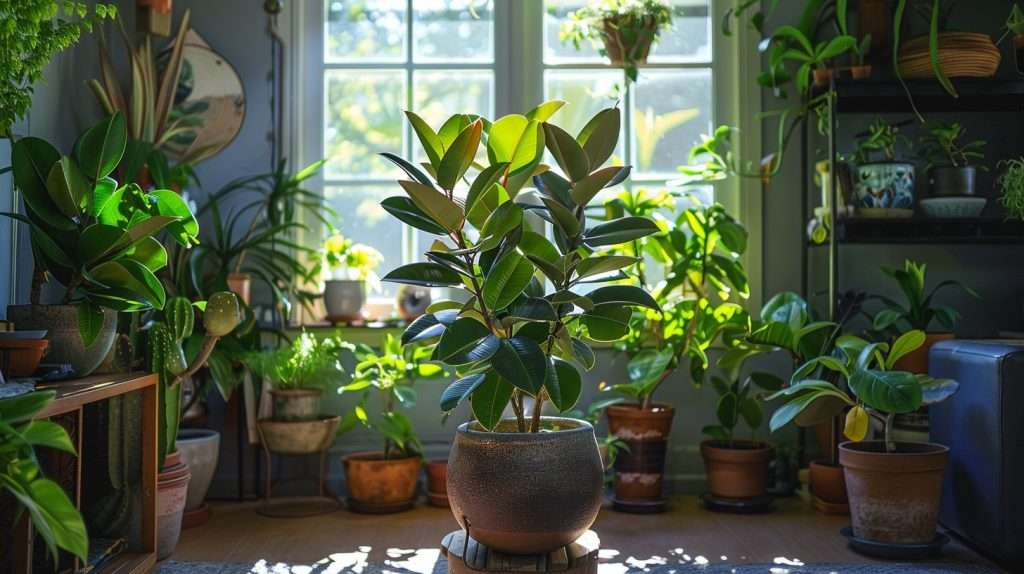
Rubber plants, scientifically known as Ficus elastica, are native to Southeast Asia. In their natural habitat, they can reach impressive heights of up to 6 feet (The Spruce). With their large, glossy leaves and striking appearance, rubber plants make a statement in any room.
The Ideal Environment for Rubber Plants
Creating the right environment for your rubber plant is crucial for its well-being. Here are some key factors to consider:
Light Requirements for Rubber Plants
Rubber plants thrive in bright, indirect light. While they can tolerate some degree of shade, it’s best to place them in a location where they receive bright, filtered light for a significant part of the day. Placing your rubber plant near an east-facing window with a sheer curtain or drape is ideal. Be cautious of exposing your plant to direct sunlight, as it can scorch the leaves.
Watering and Moisture Needs
Proper watering is essential for the health of your rubber plant. During the growing season, water your plant thoroughly, allowing the top inch of soil to dry out between waterings. Overwatering can lead to root rot, while underwatering can cause drooping leaves. Adjust your watering frequency based on the moisture levels of the soil. If you’re experiencing challenges with watering your rubber plant, our article on rubber plant watering provides further guidance.
Temperature and Humidity Considerations
Rubber plants prefer temperatures between 60-75°F (15-24°C) and should be kept away from drafts and sudden temperature changes. They are sensitive to cold drafts and temperature fluctuations, so it’s important to keep them away from drafty windows and doors. In terms of humidity, rubber plants can adapt to average indoor humidity levels but appreciate a slightly higher humidity environment. Consider using a humidifier or placing your plant on a pebble tray filled with water to increase humidity levels around the plant.
By understanding the unique characteristics of rubber plants and providing them with the ideal environment, you can ensure their health and longevity. In the next sections, we will explore further aspects of rubber plant care, including pruning and maintenance, common issues and troubleshooting, fertilizing techniques, propagation methods, and safety precautions. Stay tuned to become a rubber plant care expert!
Caring for Rubber Plants Indoors
To ensure the health and vitality of your rubber plant, proper care is essential. Paying attention to factors such as light, watering, and temperature will help keep your rubber plant thriving in an indoor environment.
Light Requirements for Rubber Plants
Rubber plants prefer bright, indirect light, but they can tolerate some degree of shade (The Spruce). Placing your rubber plant near a north or east-facing window is ideal as it provides the right amount of indirect sunlight. Avoid exposing your rubber plant to direct sunlight, as it can scorch the leaves and cause damage.
Watering and Moisture Needs
Proper watering is crucial for the health of your rubber plant. It’s important to water your plant thoroughly, allowing the top inch of soil to dry out between waterings. Overwatering is a common mistake that should be avoided, as excessive moisture can lead to root rot and other fungal diseases (eHow).
To determine when to water, check the moisture level of the soil by inserting your finger about an inch deep. If it feels dry, it’s time to water your rubber plant. Ensure that excess water drains out of the pot, as standing water can lead to root problems. Remember, it’s better to underwater than overwater your rubber plant.
Temperature and Humidity Considerations
Rubber plants are sensitive to temperature changes and prefer a consistent environment. Keep your rubber plant in a room with temperatures between 60-80°F (15-26°C) (The Spruce). Avoid placing it near drafts or in areas with sudden temperature fluctuations.
In terms of humidity, rubber plants appreciate a relative humidity range of 50% to 60%, mimicking their native tropical habitat. Low humidity can cause issues such as curling leaves and stunted growth due to dry air sapping moisture from the foliage (greg.app). On the other hand, high humidity can create a breeding ground for fungus and bacteria, hindering transpiration and potentially drowning the plant in its own transpired water.
To maintain proper humidity levels, you can use a humidifier, place a tray of water near the plant, or mist the leaves regularly. However, be cautious not to create excessive moisture, as it can invite pests and diseases and lead to waterlogged roots (greg.app). If you notice brown leaf tips, it may indicate low humidity, and increasing humidity around the plant can help combat this issue. Striking the right balance is key to maintaining optimal humidity for your rubber plant’s health.
By providing the right amount of light, watering your rubber plant correctly, and considering temperature and humidity levels, you can create a favorable environment for your rubber plant to thrive. Remember to monitor your plant’s needs and make adjustments accordingly to ensure its continued health and beauty. For more specific information on caring for rubber plants, you can visit our articles on rubber plant watering, rubber plant humidity, and rubber plant temperature.
Pruning and Maintenance of Rubber Plants
To keep your rubber plant healthy and thriving, proper pruning and maintenance are essential. This section will provide you with useful tips on pruning, preventing and treating pests, as well as cleaning and dusting the leaves of your rubber plant.
Pruning Tips for Rubber Plants
Pruning is an important aspect of rubber plant care and can help maintain its shape and promote healthy growth. When pruning your rubber plant, it’s recommended to remove any dead or yellowing leaves, as well as any stems or branches that are crossing or rubbing against each other. This will improve the appearance of the plant and prevent potential damage.
To encourage a bushier growth, you can also trim the tips of the rubber plant’s stems. This will stimulate new side shoots to develop (Source). However, it’s important to avoid over-pruning the rubber plant, as it can lead to stress and affect its overall health. Only remove about 20-30% of the plant’s foliage during each pruning session.
When pruning rubber plants, make clean cuts just above a leaf or node. This will encourage new growth in that area and promote a more compact and healthy plant. Pruning should typically be done in the spring or summer to encourage new growth and maintain the desired shape of the plant (source).
Pruning rubber plants can also be an opportunity to propagate new plants. Cuttings can be taken from healthy branches and placed in water or a well-draining soil mix to encourage root development. This way, you can expand your rubber plant collection or share the joy of growing rubber plants with others.
Preventing and Treating Pests on Rubber Plants
Rubber plants are susceptible to pests such as scales, spider mites, and mealybugs. To keep your rubber plant pest-free, it’s important to regularly inspect the leaves and stems for any signs of infestation. If you notice pests, there are several methods for prevention and treatment.
One effective approach is to use insecticidal soap or horticultural oil. These products can be applied to the affected areas, following the instructions provided on the packaging. They help control and eliminate pests without harming the plant.
Another preventive measure is to keep your rubber plant in a bright, indirect light environment. Direct sunlight can scorch the leaves and weaken the plant’s defenses against pests. By providing the right lighting conditions, you can reduce the risk of pest infestations.
Cleaning and Dusting Rubber Plant Leaves
Regularly cleaning the leaves of your rubber plant is not only aesthetically pleasing but also beneficial for the plant’s overall health. Dust can accumulate on the leaves, hindering their ability to photosynthesize. To clean and dust the leaves:
- Dampen a soft cloth or sponge with water.
- Gently wipe each leaf, taking care not to apply excessive pressure.
- If the leaves are particularly dusty, you can add a mild soap solution to the water for a more thorough cleaning.
- Ensure that the leaves are completely dry after cleaning to prevent the growth of mold or bacteria.
By cleaning the leaves of your rubber plant, you’ll help maintain optimal photosynthesis and promote a healthier plant. Regularly dusting the leaves can also prevent pests from finding a home on your rubber plant.
Pruning, preventing pests, and cleaning the leaves are essential maintenance tasks for keeping your rubber plant in its best condition. By following these tips, your rubber plant will continue to thrive and bring natural beauty to your indoor space.
Common Issues and Troubleshooting
Taking care of your rubber plant involves being attentive to common issues that may arise. Here are some common problems you may encounter when caring for your rubber plant and how to troubleshoot them effectively.
Dealing with Brown or Yellow Leaves
Brown or yellow leaves on your rubber plant can be a sign of various issues, including low humidity, overwatering, or insufficient light. To address this problem, consider the following:
Low Humidity: Rubber plants thrive in environments with higher humidity levels. If your plant’s leaves are curling or the air is dry, increasing humidity around the plant can help. You can mist the leaves regularly or place a water tray near the plant to increase moisture in the air. Additionally, grouping plants together can create a microclimate with higher humidity.
Overwatering: Overwatering is a common mistake that can lead to root rot and other fungal diseases. Ensure that you are not watering your rubber plant too frequently. Allow the top inch of soil to dry out before watering again. Adjust your watering schedule accordingly, especially during the winter months when the plant requires less water.
Insufficient Light: Rubber plants thrive in bright, indirect light. If your plant is not receiving enough light, it may develop brown or yellow leaves. Move your rubber plant to a location with brighter, filtered light, but avoid placing it in direct sunlight, as it can scorch the leaves.
Overwatering and Root Rot Prevention
Overwatering is a common issue that can lead to root rot and other fungal diseases in rubber plants. To prevent overwatering and promote healthy root growth, follow these tips:
Proper Drainage: Ensure that your rubber plant is potted in a container with drainage holes. This allows excess water to escape, preventing waterlogged soil.
Watering Frequency: Only water your rubber plant when the top inch of soil feels dry to the touch. Stick your finger into the soil to gauge its moisture level. Avoid watering on a strict schedule and adjust based on the plant’s needs and the environmental conditions.
Watering Technique: When watering, thoroughly saturate the soil until water drains out of the bottom of the pot. Discard any excess water that collects in the saucer or tray beneath the pot to prevent the roots from sitting in standing water.
Managing Pest Infestations
Rubber plants are susceptible to pests such as scales, spider mites, and mealybugs. If you notice signs of pest infestation, take the following steps to manage them:
Identification: Identify the specific pest affecting your rubber plant. Look for visible signs such as webbing, tiny moving dots, or cotton-like clusters on the leaves or stems. This will help you choose the appropriate treatment method.
Insecticidal Soap or Horticultural Oil: Treat the affected plant with insecticidal soap or horticultural oil, following the instructions on the product label. Thoroughly coat the leaves and stems, ensuring that the solution reaches all affected areas. Repeat the treatment as necessary, following the recommended intervals.
Isolation and Quarantine: If the infestation is severe, consider isolating the affected plant to prevent the pests from spreading to other plants. Quarantine the plant in a separate area until the infestation is under control.
By addressing these common issues and troubleshooting them promptly, you can ensure the health and vitality of your rubber plant. Remember to regularly monitor your plant’s condition and make adjustments to its care routine as needed. For more specific information on rubber plant care, including watering techniques and pruning tips, check out our article on rubber plant care.
Fertilizing and Propagating Rubber Plants
To ensure the optimal growth and health of your rubber plant, it’s important to provide it with the right nutrients and consider propagation methods. Here, we will explore fertilizing techniques and propagation methods for rubber plants.
Fertilizing Techniques for Rubber Plants
Rubber plants benefit from regular fertilization during the growing season, typically from spring to early fall. Using a balanced, water-soluble fertilizer is recommended to provide essential nutrients to the plant. It’s important to dilute the fertilizer to half strength to avoid overfertilization, as this can cause harm to the plant.
A suitable fertilizer for rubber plants would have a balanced ratio of nitrogen (N), phosphorus (P), and potassium (K). A commonly recommended ratio is 24-8-16. This balanced blend helps promote overall plant growth and development.
Fertilizing the rubber plant every two weeks during the growing season will provide it with the necessary nutrients to thrive. Remember to follow the instructions on the fertilizer packaging for the correct dilution ratio and application method.
Propagation Methods for Rubber Plants
Propagating rubber plants is an exciting way to expand your collection or share the joy of plant ownership with others. There are two common methods for propagating rubber plants: water propagation and soil propagation.
Water Propagation:
- Select a healthy stem cutting from your rubber plant, around 4-6 inches in length.
- Remove any leaves from the lower portion of the cutting.
- Place the cutting in a container filled with water, ensuring that the lower portion is submerged.
- Keep the container in a warm and well-lit area, but away from direct sunlight.
- Change the water every few days to prevent stagnation and the growth of harmful bacteria.
- After a few weeks, you should start to see roots developing. Once the roots are around 1-2 inches long, you can transfer the cutting to a pot with well-draining soil.
Soil Propagation:
- Take a stem cutting from the rubber plant, similar to the process described above.
- Prepare a well-draining soil mixture using 1 part peat, 1 part pine bark, and 1 part sand (Bob Vila).
- Plant the cutting in the soil mix, ensuring that the lower portion is buried.
- Place the pot in a warm and well-lit location, but away from direct sunlight.
- Keep the soil slightly moist, but avoid overwatering, as this can lead to rotting.
- Over time, the cutting will develop roots and establish itself as a new rubber plant.
Both methods have their advantages, and it’s up to you to choose the one that suits your preferences and conditions. Remember to be patient, as it can take several weeks for the cutting to root and establish itself as a new plant.
By fertilizing your rubber plant and exploring propagation methods, you can nurture and expand your rubber plant collection. Enjoy the rewarding experience of watching your plants grow and thrive. If you’re looking for more information on rubber plant care, check out our article on rubber plant care.
Safety Precautions and Toxicity
When caring for your rubber plant, it’s important to be aware of its potential toxicity and take necessary safety precautions. Understanding the toxicity of rubber plants and implementing safety measures can help ensure the well-being of both your plant and household.
Understanding the Toxicity of Rubber Plants
Rubber plants, scientifically known as Ficus elastica, are mildly toxic to pets and humans if ingested (The Spruce). The milky sap present in the plant contains compounds that can cause discomfort and irritation when consumed. It’s crucial to keep rubber plants out of the reach of curious pets and children to prevent any potential ingestion.
Although the toxicity of rubber plants is generally mild, it’s always advisable to consult with a medical professional or veterinarian if accidental ingestion occurs. They can provide guidance based on the specific circumstances and symptoms presented.
Safety Measures for Rubber Plant Care
To ensure the safety of both you and your rubber plant, follow these safety measures:
Place the plant out of reach: Position your rubber plant in an area where pets and children cannot easily access it. This helps prevent accidental ingestion and potential discomfort.
Wear protective gloves: When handling your rubber plant, especially during pruning or repotting, wearing protective gloves can help avoid contact with the sap. This is particularly important for individuals with sensitive skin or known allergies.
Wash hands after handling: After tending to your rubber plant, it’s essential to wash your hands thoroughly with soap and water to remove any sap residue. This reduces the risk of accidental transfer to sensitive areas, such as the eyes or mouth.
Educate household members: Inform family members and visitors about the potential toxicity of the rubber plant. Encourage them to avoid touching or ingesting any part of the plant.
By understanding the toxicity of rubber plants and implementing these safety measures, you can enjoy the beauty of your indoor plant while ensuring the well-being of your household.
Remember, if you have any concerns or suspect accidental ingestion or adverse reactions, seek appropriate medical advice promptly. Now that you’re aware of the safety precautions, let’s continue exploring how to care for your rubber plant to promote its health and longevity. For more information on rubber plant care, check out our article on rubber plant care.