Quenching the Thirst: Essential Rubber Plant Watering Requirements
When it comes to rubber plant care, proper watering is essential for the health and well-being of your plant. Understanding the watering needs of your rubber plant is crucial to ensure its growth and vitality.
Importance of Proper Watering
Water is a vital element in the life of a rubber plant. It plays a crucial role in maintaining the plant’s overall health and facilitating various physiological processes. Proper watering ensures that your rubber plant receives the necessary hydration to support its growth, leaf development, and nutrient absorption.
Understanding Rubber Plant Watering Needs
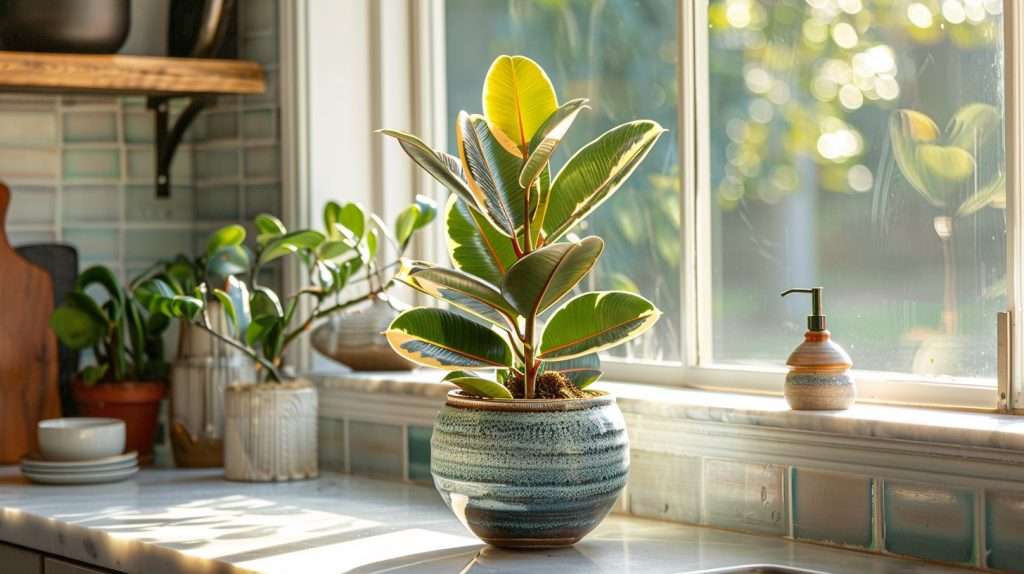
The watering needs of a rubber plant may vary depending on factors such as its growth stage, environmental conditions, and potting medium. It’s important to strike a balance and avoid overwatering or underwatering, as both can have negative effects on the plant’s health.
To determine the watering frequency for your rubber plant, it’s recommended to assess the moisture level of the soil. Stick your finger about 1-2 inches into the soil. If the top inch is dry, it’s usually an indication that it’s time to water the plant (Gardening Know How). However, it’s important not to let the soil dry out completely, as this can cause stress to the plant.
During the active growing season, which is typically spring and summer, rubber plants require more frequent watering. A good watering schedule is to water them every 7-10 days, allowing the soil to dry out slightly between waterings (Vintage Revivals). As winter approaches, you can reduce the watering frequency to once every 2-3 weeks, as the plant’s growth slows down during this time.
To avoid overwatering and promote healthy root growth, it’s crucial to ensure proper drainage. Rubber plants prefer a well-draining potting soil and containers with drainage holes (Vintage Revivals). This allows excess water to escape and prevents water from accumulating in the bottom, which can lead to root rot and other issues.
To maintain even watering, you can utilize the bottom watering method. Place the pot in a saucer filled with water and allow the plant to absorb water from the bottom. This ensures that the entire root ball receives moisture and promotes even growth (Vintage Revivals).
By understanding the importance of proper watering and the specific watering needs of your rubber plant, you can create a favorable environment for healthy growth. Remember to strike a balance, monitor the moisture levels, and adjust your watering routine based on the plant’s growth stage and environmental conditions. With the right watering strategy, your rubber plant will thrive and bring beauty to your indoor space.
Factors Affecting Rubber Plant Watering
When it comes to watering your rubber plant, there are several factors to consider that can affect its watering needs. Understanding these factors will help you provide the appropriate amount of water for your plant’s health and growth. Two key factors to consider are the growth stage of the plant and whether it is grown indoors or outdoors.
Growth Stage and Watering
The watering needs of a rubber plant may vary depending on its growth stage. Younger rubber plants, especially those in the early stages of development, require less water compared to more mature plants. It is important to adjust your watering routine accordingly to avoid overwatering young plants, which can lead to root rot.
As your rubber plant grows, it will require more water to support its increased size and foliage. It is important to monitor the moisture levels in the soil and adjust your watering frequency and amount accordingly. Remember that rubber plants are somewhat drought-tolerant and are easier to kill from overwatering than from underwatering (GetPlanta). Allow the top inch of soil to dry out between waterings to strike a balance between providing enough water and preventing overwatering.
Indoor vs. Outdoor Watering
The watering needs of a rubber plant may differ when it is grown indoors compared to outdoors. Rubber plants grown indoors are typically exposed to drier air, especially in heated or air-conditioned environments. This can cause the soil to dry out more quickly, requiring more frequent watering.
In contrast, rubber plants grown outdoors may have access to natural rainfall, which can contribute to their water needs. However, it is still important to monitor the moisture levels in the soil and adjust your watering accordingly. Factors such as temperature, humidity, and sunlight exposure can also affect the water requirements of your rubber plant.
Regardless of whether your rubber plant is grown indoors or outdoors, proper drainage is crucial. Make sure your plant’s pot has drainage holes to allow excess water to escape. This helps prevent waterlogged soil, which can lead to root rot and other problems. If you’re unsure about the drainage capabilities of your pot, consider repotting your rubber plant into a pot with adequate drainage.
Understanding the growth stage of your rubber plant and considering the indoor vs. outdoor environment will help you determine the appropriate watering schedule for your plant. Remember to observe your plant’s specific needs and adjust your watering routine accordingly. By providing the right amount of water at the right time, you can help your rubber plant thrive and maintain its beautiful foliage. For more tips on caring for your rubber plant, check out our article on rubber plant care.
Best Practices for Watering Rubber Plants
Proper watering is essential for the health and well-being of your rubber plant. By following these best practices, you can ensure that your plant receives the right amount of water it needs to thrive.
Bottom Watering Method
One effective watering method for rubber plants is bottom watering. This involves placing your potted plant in a tray filled with water and allowing the roots to soak up the water from the bottom. This method is recommended as it promotes more homogeneous watering and reduces the risk of overwatering, as mentioned by Invincible Houseplants.
To bottom water your rubber plant, follow these steps:
- Place your rubber plant in a tray or saucer that is large enough to accommodate the pot.
- Fill the tray with water, ensuring that the water level is below the pot’s drainage holes.
- Allow the plant to soak up the water for a few hours or until the topsoil feels moist to the touch.
- Remove the plant from the tray and allow any excess water to drain out.
Top Soil Moisture Check
Monitoring the moisture level of the topsoil is an important aspect of watering your rubber plant. Before watering, check the top inch of soil by inserting your finger about 1-2 inches into the soil. If the top inch feels dry, it’s time to water. This method is mentioned by Gardening Know How and GetPlanta.
By assessing the moisture level of the soil, you can avoid overwatering or underwatering your rubber plant. Remember, rubber plants prefer to be slightly underwatered rather than overwatered. It’s better to err on the side of underwatering and allow the soil to dry out between waterings, as recommended by Gardening Know How.
Watering Frequency and Amount
Determining the right watering frequency and amount for your rubber plant is crucial for its overall health. The frequency of watering may vary depending on factors such as temperature, humidity, and the size of the plant, as mentioned by Apartment Therapy.
As a general guideline, water your rubber plant when the top inch of soil feels dry. This typically translates to watering the plant approximately once a week. However, it’s important to adapt the watering schedule to the specific needs of your plant. Factors such as high temperatures or low humidity may increase the frequency of watering, while cooler conditions may require less frequent watering.
When watering, ensure thorough saturation of the soil until water drains out from the pot’s drainage holes. This helps to flush out any accumulated salts or potential root issues. Allow the excess water to drain completely before placing the plant back in its decorative pot or saucer.
By following these best practices for watering your rubber plant, you can maintain optimal moisture levels and promote healthy growth. Remember to consider the environmental conditions and the specific needs of your plant to adjust the watering frequency and amount accordingly. For more tips on caring for your rubber plant, check out our article on rubber plant care.
Signs of Overwatering and Underwatering
To ensure the health and well-being of your rubber plant, it’s important to be able to identify signs of overwatering and underwatering. Both conditions can have negative impacts on the overall health and appearance of your plant. Here are two common signs to watch out for:
Yellowing and Browning Leaves
One of the telltale signs of overwatering a rubber plant is the appearance of yellowing and browning leaves. When a rubber plant is overwatered, the excess water can cause the roots to sit in moisture for long periods of time, leading to root rot. As a result, the plant may sacrifice older leaves in favor of new growth, causing the leaves to turn yellow and eventually brown. This is a clear indication that adjustments need to be made to your watering routine.
To prevent overwatering, it’s crucial to allow the soil to dry out slightly between waterings. Check the moisture level of the soil by inserting your finger into the top inch of soil. If it feels dry at this depth, it’s time to water your rubber plant. For more tips on how to care for your rubber plant, visit our article on rubber plant care.
Dry and Crispy Leaves
On the other hand, underwatering can also cause issues for your rubber plant. If you notice that the leaves of your rubber plant are dry and crispy, it may be an indication that the plant is not receiving enough water. Rubber plants love water but also need to dry out between waterings, so finding the right balance is key to their care (GetPlanta). Insufficient water can lead to wilting and drying out of the leaves, making them appear dry and brittle.
To address underwatering, ensure that you water your rubber plant regularly. The frequency of watering will depend on factors such as humidity levels, temperature, and the size of your plant. As a general guideline, water your rubber plant when the top inch of soil feels dry to the touch. This will help maintain the proper moisture levels and keep your rubber plant thriving.
By paying attention to the signs of overwatering and underwatering, you can adjust your watering routine accordingly and provide the optimal care for your rubber plant. Remember, maintaining a balance between watering and allowing the soil to dry out slightly will help ensure the health and longevity of your beloved plant. For more information on rubber plant care and common issues, refer to our articles on how to care for a rubber plant and rubber plant diseases.
Tips for Preventing Overwatering and Underwatering
To ensure the optimal health and growth of your rubber plant, it’s important to strike the right balance when it comes to watering. Overwatering and underwatering can both have negative effects on the plant’s well-being. Here are some tips to help you prevent these issues:
Proper Drainage and Pot Choice
Rubber plants prefer a well-draining potting soil, and it’s crucial to choose a pot with drainage holes to prevent water from sitting in the bottom. This allows excess water to escape, preventing the roots from becoming waterlogged and susceptible to rot. Good drainage promotes healthy root growth and helps avoid overwatering. For more detailed care tips, check out our article on rubber plant care.
Room Temperature Water
When it comes to watering your rubber plant, it’s important to avoid using cold water as it can shock the roots. Instead, use room temperature water, which is ideal for watering rubber plants. This helps maintain a consistent environment for the roots and prevents unnecessary stress. To learn more about how to care for a rubber plant, visit our comprehensive guide on how to care for a rubber plant.
Monitoring Moisture Levels
Regularly checking the moisture levels of the soil is key to preventing both overwatering and underwatering. The best way to determine if your rubber plant needs watering is to stick your finger about 1-2 inches into the soil. If the top inch is dry, it’s time to water. However, if it still feels slightly moist, it’s better to wait before watering again. Remember, rubber plants prefer to be slightly underwatered rather than overwatered. For more information on troubleshooting common issues with rubber plants, such as leaves curling or drooping, refer to our article on rubber plant leaves curling and rubber plant leaves drooping.
By implementing these preventative measures, you can maintain the proper moisture balance for your rubber plant, ensuring its overall health and vitality. Remember, each plant may have slightly different watering needs, so observe your rubber plant closely and make adjustments accordingly. For more tips on caring for your rubber plant, including pruning, propagation, and indoor care, explore our comprehensive guides on rubber plant pruning, rubber plant propagation, and rubber plant indoor care.
Additional Care Tips for Rubber Plants
Taking care of your rubber plant goes beyond proper watering. Here are some additional care tips to ensure your rubber plant thrives:
Increasing Humidity with Misting
Rubber plants appreciate moist air, and misting is a simple way to increase humidity around your plant. Regularly misting the leaves with water helps to mimic their natural environment and prevent dryness. Be sure to focus on the top and underside of the leaves. You can use a spray bottle filled with room temperature water for this purpose. Misting your rubber plant a few times a week can help keep its foliage lush and healthy. For more detailed care information, visit our article on rubber plant care.
Leaf Cleaning and Dust Removal
Dust can accumulate on the leaves of your rubber plant over time, reducing its ability to photosynthesize and potentially attracting pests. Regularly cleaning the leaves helps to remove dust and promote healthy growth. Here’s how you can clean your rubber plant leaves:
- Fill a container with room temperature water.
- Dampen a soft cloth or sponge in the water. Avoid using any cleaning agents or chemicals.
- Gently wipe the top and bottom surfaces of the leaves with the damp cloth to remove dust and debris.
- Allow the leaves to air dry naturally.
Cleaning your rubber plant leaves every few weeks or whenever you notice a layer of dust will help the plant absorb light more efficiently and keep pests at bay. For more information on how to care for your rubber plant, including pruning and propagation, visit our comprehensive guide on how to care for a rubber plant.
By incorporating these additional care tips into your routine, you can provide the ideal conditions for your rubber plant to thrive. Remember to also consider factors such as light, temperature, and fertilization, as they play a significant role in the overall health of your rubber plant. For troubleshooting common issues with rubber plants, such as curled leaves or drooping, refer to our articles on rubber plant leaves curling and rubber plant leaves drooping. With proper care and attention, your rubber plant will continue to be a beautiful and vibrant addition to your indoor space.