How to Prevent Rubber Plant Diseases and Protect Your Precious Plant
If you’re a houseplant lover, the rubber plant (Ficus elastica) is a popular choice that can add a touch of lush greenery to your indoor space.
As with any plant, proper care is essential to ensure its health and vitality. In this guide, we will introduce you to the rubber plant diseases and provide essential care tips to help you keep your rubber plant thriving.
Introduction to Rubber Plants

Rubber plants are native to Southeast Asia and are known for their large, glossy leaves. They can grow up to several feet tall, making them an impressive addition to any room. The leaves of the rubber plant can range in color from deep green to variegated patterns, adding visual interest to your indoor environment.
Rubber plants are relatively low-maintenance, making them suitable for both beginner and experienced plant enthusiasts. They are known for their air-purifying properties, helping to improve indoor air quality by removing toxins.
Essential Care Tips for Rubber Plants
To keep your rubber plant healthy and vibrant, consider the following care tips:
-
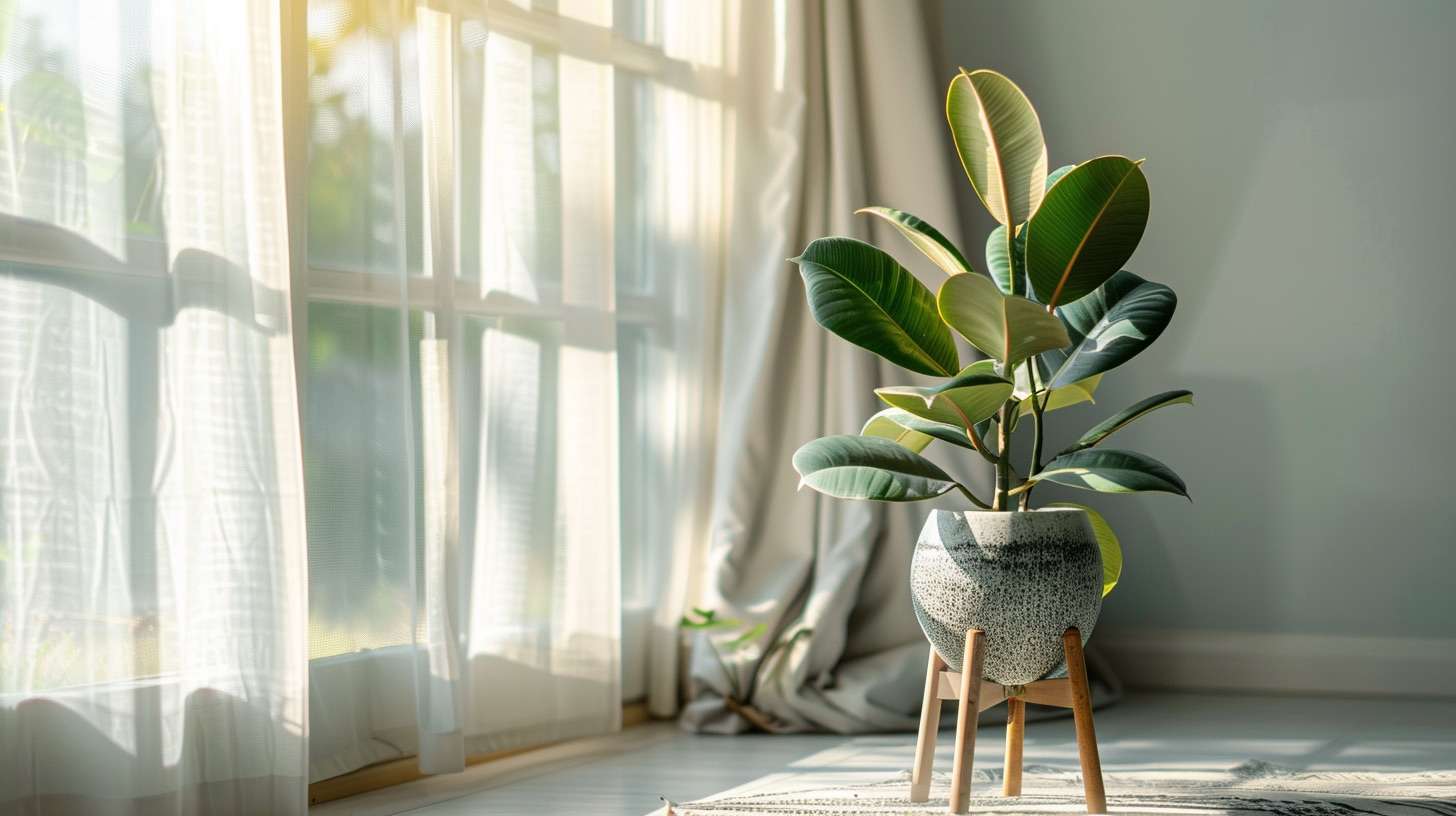
Lighting: Rubber plants thrive in bright, indirect light. Place your plant near a window where it can receive plenty of filtered sunlight. Avoid exposing it to direct sunlight, as this can scorch the leaves.
-
Watering: Proper watering is crucial for rubber plants. Allow the top inch of soil to dry out before watering again. Overwatering can lead to root rot, while underwatering can cause the leaves to droop. Find the right balance by monitoring the moisture level of the soil regularly.
-
Humidity: Rubber plants appreciate moderate to high humidity levels. You can increase humidity by using a humidifier, placing the plant on a tray with water and pebbles, or misting the leaves regularly.
-
Temperature: Rubber plants prefer temperatures between 60-75°F (15-24°C). Avoid exposing them to drafts or extreme temperature fluctuations.
-
Soil: Use a well-draining potting mix that retains some moisture without becoming waterlogged. A mixture of peat moss, perlite, and compost works well for rubber plants.
-
Fertilizing: Feed your rubber plant with a balanced, water-soluble fertilizer once a month during the growing season (spring and summer). Follow the instructions on the fertilizer package for proper dilution and application.
-
Pruning: Regular pruning helps maintain the shape and size of your rubber plant. Remove any dead, yellowing, or damaged leaves to promote new growth. For more guidance on pruning, check out our article on rubber plant pruning.
By following these care tips and providing your rubber plant with the right environment, you can enjoy a healthy and thriving plant. Remember to monitor your plant closely for any signs of rubber plant diseases or pests, and take appropriate action if needed.
For more detailed guidance on rubber plant care, including topics like propagation, watering techniques, and repotting, visit our comprehensive rubber plant care guide. With proper care and attention, your rubber plant can bring beauty and vitality to your indoor space for years to come.
Common Rubber Plant Diseases
Taking care of your rubber plant involves not only providing the right care routine but also being aware of common diseases that can affect its health. Here are some common rubber plant diseases, along with their causes, symptoms, and management techniques:
Anthracnose: Causes and Prevention
Anthracnose is a fungal disease that affects rubber plant leaves, causing brown or necrotic areas at the ends of leaves and eventual leaf drop. The affected tissues first appear tan and turn brown with age. To prevent the spread of the fungus, it’s important to avoid splashing water on the leaves during watering. Maximizing air circulation by spacing out your plants can also help prevent the disease. If you notice symptomatic leaves, remove them to prevent further spread. Fungicides like copper hydroxide and thiophanate methyl can be used for control, following the manufacturer’s instructions (Connecticut Agricultural Experiment Station).
Oedema: Symptoms and Management
Oedema is a physiological condition that can affect rubber plants, causing raised, scab-like swellings on the undersides of leaves. These swellings initially appear as water-soaked blisters and can turn rusty-brown with age. Oedema is often associated with inadequate light levels and overwatering, especially during cloudy and cool weather. To manage oedema, it’s important to minimize moisture levels in the potting mix during cloudy weather. Adjusting your watering practices and ensuring proper light levels can help reduce the occurrence of this condition (Connecticut Agricultural Experiment Station).
Root Rot: Causes and Treatment
One common rubber plant disease is root rot, which is caused by overwatering or poorly drained soil. It can lead to yellowing leaves, wilting, and stunted growth. To prevent root rot, ensure that your rubber plant is potted in well-draining soil and that the pot has sufficient drainage holes. Avoid overwatering and allow the soil to dry out slightly between waterings. If root rot has already set in, it’s important to take action promptly. Remove the affected plant from its pot, trim away any rotting roots, and repot the plant in fresh, well-draining soil (Fig and Bloom).
Leaf Spot: Identification and Control
Leaf spot is another common rubber plant disease caused by fungal infections. It manifests as dark brown or black spots on the leaves. To control leaf spot, it’s important to maintain good air circulation around your rubber plant by avoiding overcrowding and ensuring proper spacing. Additionally, avoid splashing water on the leaves during watering, as the moisture promotes fungal growth. If leaf spot is present, remove the affected leaves and dispose of them properly to prevent further spread (Fig and Bloom).
Powdery Mildew: Prevention and Treatment
Powdery mildew is a fungal disease that can affect rubber plants, resulting in a white powdery coating on the leaves. It can lead to leaf curling and stunted growth. To prevent powdery mildew, ensure good air circulation around your rubber plant and avoid overcrowding. If you notice signs of powdery mildew, such as the white powdery coating, you can treat it by applying a fungicidal spray specifically formulated for powdery mildew control. Follow the instructions on the product label for the best results. Regularly inspect your rubber plant for any signs of disease and take necessary action promptly to prevent further spread (Fig and Bloom).
By being proactive in identifying and managing these common rubber plant diseases, you can help protect the health and vitality of your beloved plant. Remember to maintain a proper care routine, including rubber plant watering and rubber plant indoor care, to keep your rubber plant strong and resilient.
Pests Affecting Rubber Plants
Rubber plants, like any other houseplant, are susceptible to various pests that can affect their health and growth. Two common pests that can trouble rubber plants are mealybugs and spider mites. Here’s how to identify and control these pests to protect your precious rubber plant.
Mealybugs: Identification and Control
Mealybugs are small, soft-bodied insects that often infest rubber plants, sucking sap from the leaves and stems. These pests can cause significant damage if left unchecked. To identify mealybugs, look for white, cottony clusters on the undersides of leaves or in leaf axils. You may also notice yellowing leaves and stunted growth (Fig and Bloom).
To control mealybugs on your rubber plant, follow these steps:
- Isolation: If you spot mealybugs on your rubber plant, isolate it from other houseplants to prevent the infestation from spreading.
- Manual Removal: Use a cotton swab dipped in rubbing alcohol to dab and remove the mealybugs. Pay close attention to the hidden areas, such as leaf axils and the undersides of leaves.
- Insecticidal Soap: If the infestation is severe, you can use an insecticidal soap specifically designed for houseplants. Follow the instructions carefully and apply the soap as directed.
- Repeat Treatments: Mealybug infestations may require multiple treatments over several weeks to eliminate all the pests. Be persistent and thorough in your approach.
Regularly inspecting your rubber plant for signs of mealybugs and taking early action can help prevent severe infestations and protect the health of your plant. For more information on general rubber plant care, visit our article on rubber plant care.
Spider Mites: Signs and Solutions
Spider mites are another common pest that can cause trouble for rubber plants. These tiny arachnids are difficult to spot with the naked eye but can cause significant damage. Signs of spider mite infestation include webbing on the leaves, yellow or brown spots, and leaf drop (Fig and Bloom).
To address a spider mite infestation on your rubber plant, follow these steps:
- Spray with Water: Use a fine mist sprayer to regularly spray your rubber plant’s leaves, both on the top and bottom sides. This can dislodge and discourage spider mites from infesting the plant.
- Insecticidal Soap: If the spider mite infestation persists, you can use an insecticidal soap specifically formulated to control mites. Follow the instructions provided and apply the soap as directed.
- Maintain Humidity: Spider mites thrive in dry conditions. Increasing humidity around your rubber plant can help deter these pests. Grouping plants together or using a humidifier can help maintain a suitable environment.
- Monitor and Repeat Treatments: Regularly monitor your rubber plant for signs of spider mites. If needed, repeat the treatments to eliminate any remaining mites.
By being vigilant and taking prompt action, you can effectively control mealybugs and spider mites on your rubber plant. Remember to regularly inspect your plant for signs of pests and practice good plant care habits to keep your rubber plant healthy and thriving. For more information on caring for your rubber plant, check out our article on how to care for a rubber plant.
Advanced Rubber Plant Diseases
While rubber plants are generally resilient, there are some advanced diseases that can pose a threat to their health. It’s important to be aware of these diseases and their management to protect your precious rubber plant. Here are some of the advanced rubber plant diseases to watch out for:
South American Leaf Blight (SALB)
One of the most common diseases affecting rubber plants is South American Leaf Blight (SALB), caused by the fungus Microcyclus ulei. SALB can result in defoliation and a decrease in latex yield, causing significant economic losses for rubber plantations (PRRI). To prevent and manage SALB, it is essential to implement proper disease control measures, including regular monitoring, removal of infected leaves, and the use of appropriate fungicides.
Corynespora Leaf Fall (CLF)
Corynespora Leaf Fall (CLF), caused by the fungus Corynespora cassiicola, is another significant disease affecting rubber plants. CLF primarily affects young leaves, causing necrosis and leading to leaf fall and a reduction in photosynthetic activity (PRRI). To manage CLF, it is crucial to practice good sanitation, such as removing and destroying infected leaves. Additionally, the use of fungicides can be considered under the guidance of experts.
Pink Disease: Causes and Management
Pink Disease, caused by the fungus Corticium salmonicolor, is a major disease that affects rubber plants. It manifests as pinkish-orange powdery pustules on stems, branches, and fruits, leading to wilting, dieback, and yield loss (PRRI). To manage Pink Disease, it is essential to promptly prune and destroy infected plant parts. Fungicides may also be employed, following recommended guidelines and expert advice.
Brown Root Disease (BRD)
Brown Root Disease (BRD), caused by various species of fungi from the genus Rigidoporus, is a serious disease that affects rubber plantations. It primarily attacks the roots, causing discoloration, decay, and rotting. This leads to reduced water and nutrient absorption, eventually resulting in tree death. Preventive measures for BRD include ensuring proper drainage, maintaining good soil health, and employing proper cultural practices. Fungicides may also be used as a management strategy, under the guidance of experts.
Powdery Mildew in Rubber Plants
Powdery Mildew, caused by the fungi Oidium heveae and Oidium guazumae, is a common disease that affects rubber plants. It appears as white powdery patches on leaves, stems, and fruits, compromising photosynthesis and causing defoliation (PRRI). To prevent and manage Powdery Mildew, it is crucial to provide proper air circulation, avoid overhead watering, and promptly remove and destroy infected plant parts. Fungicides may also be utilized, following recommended guidelines.
By being vigilant and taking necessary preventive measures, you can protect your rubber plant from these advanced diseases. Regular monitoring, good sanitation practices, and the use of appropriate fungicides, when necessary, can help ensure the health and vitality of your rubber plant. For more information on general rubber plant care, check out our rubber plant care guide.
Best Practices for Rubber Plant Disease Prevention
To keep your rubber plant healthy and thriving, it’s important to implement proper care practices and preventative measures. By following these best practices, you can minimize the risk of rubber plant diseases and ensure the longevity of your precious plant.
Proper Watering Techniques
Proper watering is essential for maintaining the health of your rubber plant. Overwatering can lead to root rot and other fungal diseases, while underwatering can cause stress and leaf drooping. To prevent these issues, follow these guidelines:
- Water your rubber plant only when the top inch of soil feels dry to the touch. This ensures that the roots are not sitting in waterlogged soil.
- Use well-draining soil to prevent water from pooling around the roots.
- Avoid excessive watering, especially during periods of low light or cool weather, as this can increase the risk of diseases like oedema (Connecticut Agricultural Experiment Station).
- Empty the saucer or tray beneath the pot after watering to prevent water from accumulating and causing root rot.
For more detailed information on watering your rubber plant, check out our article on rubber plant watering.
Optimal Lighting Conditions
Proper lighting is crucial for the overall health and disease resistance of your rubber plant. Here are some guidelines to ensure optimal lighting conditions:
- Place your rubber plant in a location with bright, indirect light. Avoid direct sunlight, as it can scorch the leaves.
- Rotate your plant periodically to ensure even exposure to light and promote balanced growth.
- Monitor your plant for signs of insufficient or excessive light. If the leaves start to curl or droop, it may indicate a lighting issue. Adjust the placement of your plant accordingly.
For more detailed information on lighting requirements for rubber plants, refer to our article on rubber plant indoor care.
Ensuring Good Air Circulation
Proper air circulation is essential for preventing the development and spread of fungal diseases in your rubber plant. Here’s what you can do to ensure good air circulation:
- Avoid overcrowding your rubber plant with other plants. Adequate spacing between plants allows for better airflow and reduces the risk of disease transmission.
- Place your rubber plant in a well-ventilated area, away from drafts or stagnant air.
- Regularly clean the leaves of your plant to remove dust and debris, which can hinder proper air circulation and create a favorable environment for disease development.
For more tips on cleaning your rubber plant and maintaining good air circulation, check out our article on rubber plant cleaning and maintenance.
Regular Cleaning and Maintenance
Regular cleaning and maintenance play a vital role in preventing rubber plant diseases. Follow these practices to keep your plant healthy:
- Clean the leaves of your rubber plant regularly using a damp cloth or sponge. This removes dust, dirt, and pests that can negatively impact the health of your plant.
- Inspect your plant regularly for signs of disease or pests. Early detection allows for prompt treatment and minimizes the risk of further damage.
- Prune any diseased or damaged leaves or stems to prevent the spread of diseases and maintain the overall health of your plant. For more information on pruning, refer to our article on rubber plant pruning.
By following these best practices for rubber plant disease prevention, you can create a favorable environment for your plant to thrive. Remember to observe your rubber plant closely and address any signs of disease promptly. With proper care and attention, your rubber plant will remain a beautiful and healthy addition to your indoor space.