Thriving in Your Haven: Monstera Plant Indoor Care Essentials
Monstera plants, often known as ‘Swiss Cheese Plants’ due to their iconic fenestrated leaves, have become incredibly popular in the world of indoor gardening. Their captivating aesthetic, coupled with their adaptability to indoor environments, makes them a coveted choice for plant enthusiasts looking to add a tropical touch to their spaces. This guide will help you understand the origin and characteristics of Monstera plants, setting you on the path to successful ‘monstera plant indoor’ care.
Origin and Characteristics of Monstera Plants
Monstera plants originate from the tropical regions of Central and South America, where they thrive in the dense, humid rainforests. They are part of the Araceae family, known for their distinctive, often large, green foliage. The genus ‘Monstera’ gets its name from the Latin word for ‘monstrous,’ alluding to the plant’s potential for large growth.

The most recognizable characteristic of Monstera plants is their unique, split leaves. These fenestrations or ‘holes’ in the leaves are a natural adaptation that allows the plant to capture sunlight while reducing wind resistance in their natural habitat. These leaves can grow quite large, with some species like the Monstera Deliciosa capable of developing leaves over 2 feet in diameter in their native environments!
Monstera plants are epiphytic climbers. This means they naturally grow on the surfaces of other plants, using them for support as they climb towards the light. Indoors, this climbing nature can be accommodated with the use of a monstera plant support.
There are several species of Monstera popular among indoor gardeners, each with their unique leaf shapes and growth habits. The most common is Monstera Deliciosa, known for its large, split leaves. Another popular variety is Monstera Adansonii, which has smaller, more densely fenestrated leaves. For a detailed guide on caring for this variety specifically, check out our Monstera Adansonii care guide.
Understanding the origin and characteristics of Monstera plants is the first step towards providing them with an ideal indoor environment. As we delve deeper into ‘monstera plant indoor’ care, you’ll learn about their light, water, and temperature needs, how to solve common problems, and how to propagate and prune your Monstera for continuous, healthy growth.
Cultivating Monstera Plant Indoors
Monstera plants, with their signature large, holey leaves, are a popular choice for indoor greenery. They make a striking statement and are relatively easy to care for. Creating the optimal indoor environment for your monstera plant is pivotal for it to thrive, and understanding the conditions they naturally grow in can help you replicate that environment at home.
Ideal Indoor Environment for Monstera
Monstera plants are native to the tropical rainforests of Central and South America. In their natural habitat, these plants are accustomed to warm, humid conditions, and indirect sunlight – conditions that an indoor environment can mimic quite effectively.
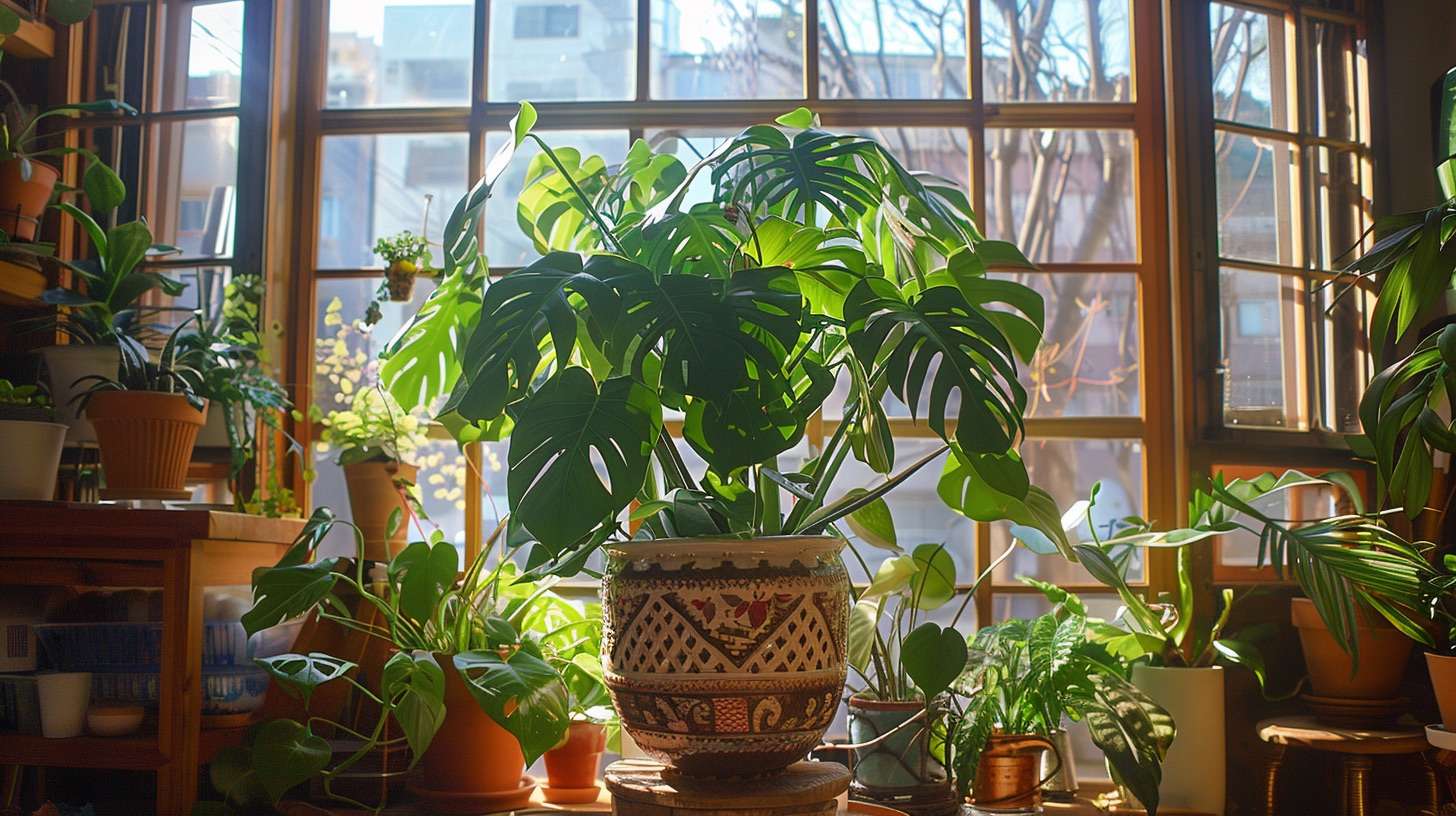
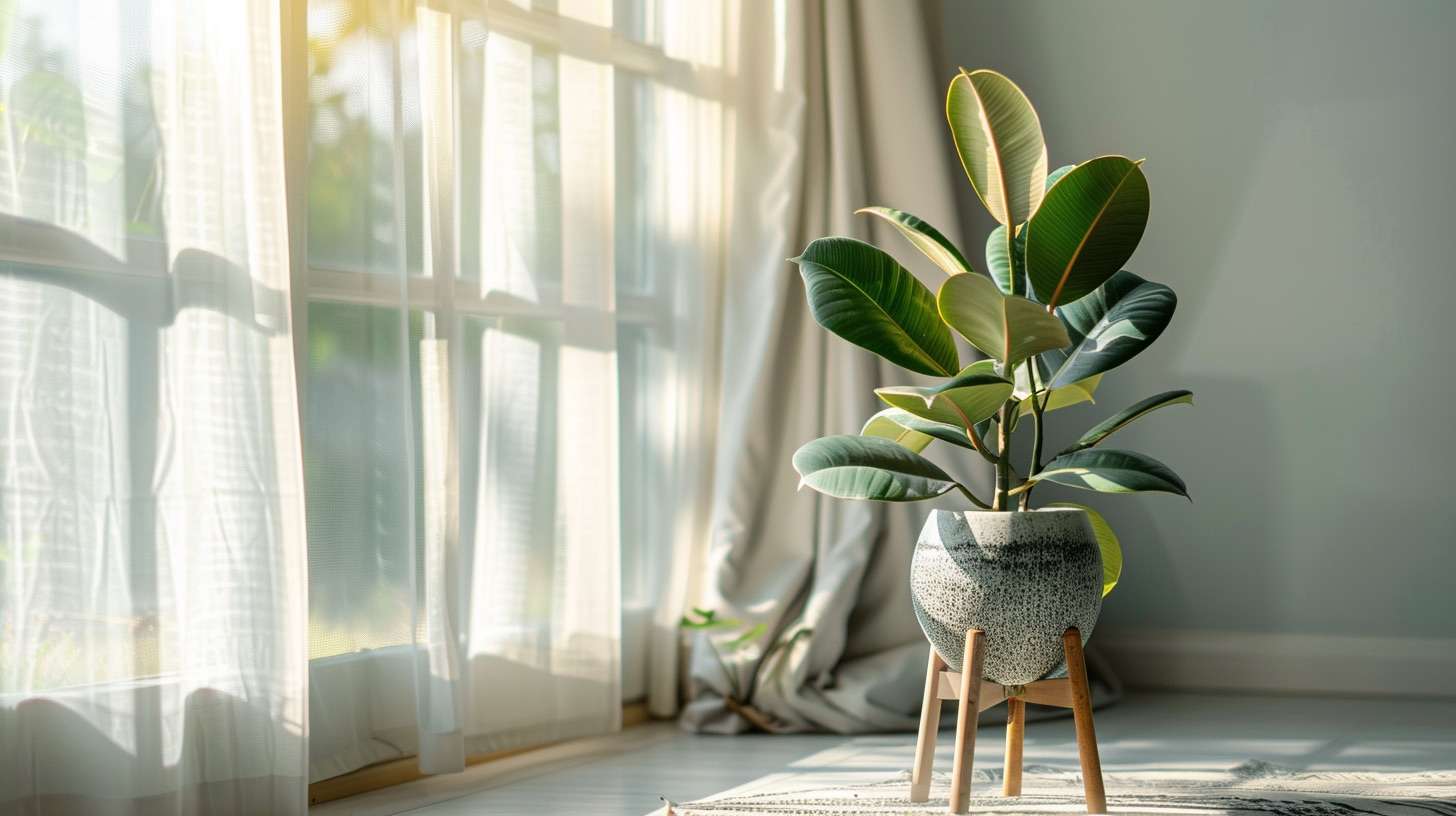
When it comes to light, Monsteras prefer a bright spot with filtered sunlight. Direct sunlight can scorch their leaves, causing them to yellow and eventually brown. A north or east-facing window covered with sheer curtains is an ideal location for your monstera plant indoor.
Monstera plants love humidity. The moisture in the air mimics the humid environment of the rainforest and helps to keep the leaves lush and vibrant. If your indoor air is dry, consider using a humidifier near the plant or placing it on a tray of pebbles and water to increase the humidity.
As for temperature, Monsteras are comfortable in average indoor temperatures. They’re happiest at temperatures between 65°F to 85°F, and they don’t handle sudden temperature changes or drafts very well.
| Ideal Condition | Requirement |
|---|---|
| Light | Bright, indirect sunlight |
| Humidity | High |
| Temperature | 65°F – 85°F |
Lastly, your Monstera needs a well-draining soil mix to prevent water-logged roots, which can lead to root rot. A mix of regular potting soil, peat moss, and perlite or coarse sand usually works well.
Creating an ideal indoor environment for your Monstera plant is the first step towards maintaining a healthy and thriving plant. Once you’ve mastered this, you can dive into other aspects of monstera plant care, such as watering, feeding, and pruning. Remember, a happy Monstera is a healthy Monstera!
Essential Indoor Care for Monstera Plants
Just like any other indoor plant, your Monstera needs the right amount of light, water, temperature, and humidity to thrive. Here are some key aspects to consider when cultivating your Monstera plant indoors.
Light Requirements
Monstera plants love bright, indirect light. Avoid placing them in direct sunlight as it can scorch the leaves, causing them to turn yellow or brown. If you notice the leaves losing their vibrant green color or the plant’s growth slowing down, it might be a sign that the plant needs more light.
In darker corners, a Monstera plant can survive but it won’t grow as vigorously. If you don’t have a spot with enough natural light, consider using artificial lights to supplement. For more detailed information on adjusting light conditions for your Monstera, see our guide on monstera plant care.
Watering Needs
Monstera plants prefer to be kept on the drier side rather than being overwatered. The watering schedule can depend on the time of year and the indoor environment. As a general rule of thumb, water your Monstera when the top inch of soil feels dry to the touch.
Over-watering can lead to root rot, a common problem for many indoor plants. On the other hand, under-watering can cause the plant’s leaves to droop. If you’re unsure about when to water your Monstera, it’s always safer to err on the side of less watering. Check out our article on monstera plant yellow leaves for more insights on watering problems.
Temperature and Humidity Preferences
Monstera plants thrive best in a warm indoor environment. They prefer temperatures ranging from 65°F to 85°F. Avoid placing them near cold drafts, such as an air conditioning vent or an open window during the winter.
In terms of humidity, Monsteras come from tropical environments, so they do appreciate a humid environment. However, they are quite adaptable and can handle lower humidity levels as well. If your indoor environment is particularly dry, you can increase humidity by placing a tray of water near the plant, misting the leaves regularly, or using a humidifier.
| Ideal Conditions | Monstera Preference |
|---|---|
| Light | Bright, indirect light |
| Water | When top inch of soil is dry |
| Temperature | 65°F to 85°F |
| Humidity | Moderate to high |
Remember, every Monstera plant is unique and will adapt to its indoor environment differently. Monitor your plant’s growth and adjust your care routine accordingly. For more advice on Monstera plant indoor care, check out our comprehensive monstera plant care guide.
Common Monstera Plant Problems and Solutions
Taking care of a monstera plant indoor can present a few challenges. However, knowing how to identify and address common problems can make your monstera plant care journey smoother. Here, we’ll discuss three common issues: yellowing leaves, browning tips, and slow growth.
Yellowing Leaves
Yellowing leaves in a monstera plant can be a sign of overwatering. Monstera plants prefer their soil to be slightly moist but not waterlogged. If the soil becomes too wet, it can lead to root rot, which can cause leaves to turn yellow.
To remedy this, reduce watering frequency and ensure that your monstera is planted in well-draining soil. If the issue persists and you suspect root rot, you may need to repot your plant in fresh soil. For more detailed information, check our guide on monstera plant yellow leaves.
Browning Tips
Browning tips on monstera leaves usually indicate a lack of humidity, as these plants thrive in humid environments. If the air in your home is too dry, the leaf tips may start to turn brown.
To increase humidity, you can mist your plant regularly, place a tray of water near your plant, or use a humidifier. Grouping plants together can also help create a more humid microclimate. If you are interested in exploring more about creating a suitable environment for your monstera, refer to our detailed guide on monstera plant care.
Slow Growth
Slow growth can be a result of several factors including inadequate light, improper watering, or lack of nutrients. Monstera plants require bright, indirect light to grow well. If your plant is not getting enough light, consider moving it to a brighter location.
Overwatering or underwatering can also stunt growth. As a general rule, water your monstera when the top inch of soil is dry. Lastly, slow growth may be a sign that your plant needs to be fertilized. Feed your monstera with a balanced houseplant fertilizer during the growing season to provide the necessary nutrients.
Remember, every monstera plant indoor is unique and may have different care needs. Don’t be disheartened if you encounter these issues. With patience and a little bit of troubleshooting, you can help your monstera thrive. For additional help on propagating and pruning your monstera, check our articles on monstera propagation and monstera plant pruning.
Propagating Monstera Plants Indoors
Monstera plants are not only stunning with their unique leaf design, but they’re also relatively easy to propagate. This means you can multiply your Monstera collection without having to buy new plants. Let’s explore the steps for successful propagation and how to care for new Monstera plantlets.
Steps for Successful Propagation
Propagating a Monstera plant indoor can be a rewarding experience. Here’s a simple step-by-step guide:
- Identify a healthy leaf on your Monstera plant, ideally one with an aerial root.
- Using a clean, sharp pair of scissors, cut just below the aerial root. This will be your cutting.
- Place the cutting in a jar of water, ensuring the aerial root is submerged but the leaf is not.
- Position the jar in a warm, well-lit spot but out of direct sunlight.
- Change the water every few days to keep it fresh.
- Wait for roots to grow. This can take a few weeks, so be patient.
Once the roots are a few inches long, the cutting is ready to be potted. Plant it in a pot with well-draining soil and provide the same care as you would for a mature Monstera plant. For more detailed information on Monstera propagation, visit our article on monstera propagation.
Caring for New Monstera Plantlets
After successful propagation, it’s time to focus on caring for your new Monstera plantlets. Here are some tips:
- Light: Young Monsteras enjoy bright, indirect light. Too much direct sunlight can scorch their leaves, while too little light can stunt their growth.
- Water: Water your new Monstera plantlet when the top inch of the soil feels dry. Overwatering can lead to root rot, a common issue with Monsteras.
- Humidity: As tropical plants, Monsteras thrive in humid environments. Consider using a pebble tray, humidifier, or simply misting your plant to increase humidity levels.
- Fertilizer: Feed your Monstera plantlet with a balanced, water-soluble fertilizer during the growing season. This will provide it with the nutrients it needs to grow strong and healthy.
Remember, every plant is unique and will have its own specific care requirements. Pay attention to the signals your plant gives you and adjust your care routine accordingly. For more tips on how to take care of your Monstera, check out our article on monstera plant care.
By following these steps for propagation and care, you can enjoy the rewarding process of growing your own Monstera plants from cuttings. Happy planting!
Pruning and Maintaining Indoor Monstera Plants
Maintaining a monstera plant indoor requires some care and attention, including regular pruning. Pruning helps to control the plant’s size, encourages bushier growth, and removes any unhealthy foliage.
When and How to Prune
Pruning your indoor monstera should ideally be carried out in the spring or early summer, during the plant’s active growth phase. This allows the plant to recover quickly from the pruning process.
To prune your monstera, you will need a pair of sharp, clean pruning shears. Begin by removing any yellowing or browning leaves at the base of the stem. Also, cut back any overly long aerial roots that are not attached to a support. For a more in-depth guide on how to prune your monstera, check out our detailed article on monstera plant pruning.
Remember to always make your cuts just above a leaf node (the point where a leaf or branch attaches to the main stem) as this is where new growth will sprout. After pruning, dispose of the removed foliage and clean your pruning shears to prevent the spread of any potential diseases.
Long-term Care Tips for Indoor Monstera
Apart from regular pruning, there are several other care tips to keep in mind for long-term maintenance of your indoor monstera.
- Lighting: Monstera plants prefer bright, indirect light. Too much direct sun can burn the leaves, while too little light can cause leggy growth.
- Watering: Water your monstera when the top inch of soil feels dry. Overwatering can lead to root rot, a common issue for many indoor plants.
- Feeding: Feed your monstera every two weeks during the growing season (spring and summer) with a balanced houseplant fertilizer. Reduce feeding to once a month during the fall and winter.
- Repotting: Monstera plants are fast growers and may need to be repotted every two years. When repotting, choose a pot that is 2-3 inches larger in diameter than the current one.
- Support: As monstera plants mature, they will begin to climb. Providing a moss pole or other form of support will help the plant grow upright and encourage larger leaf growth. Check out our article on monstera plant support for more details.
- Humidity: Monsteras thrive in humid environments. If your indoor air is dry, consider using a humidifier or placing your plant on a tray of pebbles filled with water.
By following these care tips, you can ensure that your indoor monstera remains healthy and thrives. For a more comprehensive guide, visit our monstera plant care article.