The Art of Monstera Plant Care: Cultivating a Thriving Jungle Beauty
Introduction to Monstera Plant Care
Plant lovers love Monstera plants. With their lush, tropical vibes and distinctive, split leaves, they are easy to love.
And what’s really great about Monstera plants is that they’re not only striking in appearance, but they’re also relatively easy to care for, making them a favorite among both novice and experienced gardeners.
Here’s everything you need to know to get started with Monstera plant care.
What is a Monstera Plant?
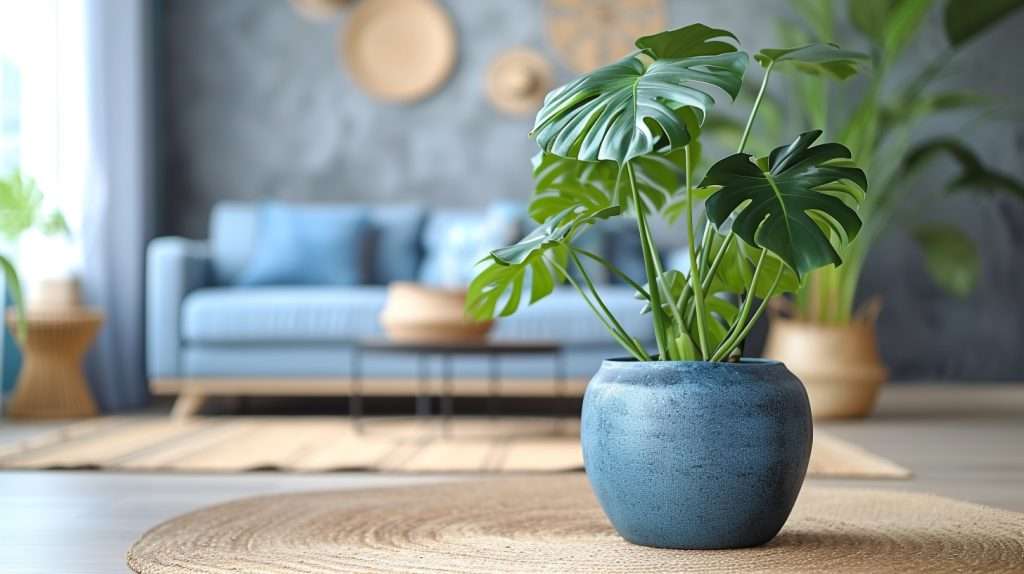
Monstera, also known as the Swiss cheese plant, is a genus of around 50 species of flowering plants native to tropical regions of the Americas. The most common species in cultivation is Monstera deliciosa, known for its large, glossy green leaves with distinctive splits and holes.
Monstera plants are climbers in their natural habitat, using their aerial roots to latch onto trees and grow towards the sunlight. They can reach impressive heights in the wild, though indoor plants are typically much smaller.
If you’re interested in learning more about how to help your Monstera thrive indoors, check out our guide to monstera plant indoor care.
Why is Monstera Popular Among Plant Lovers?
Monstera plants have surged in popularity for a variety of reasons. One of the main draws is their stunning visual appeal.
The unique, perforated leaves of the Monstera are a standout feature, offering an instant touch of tropical chic to any indoor space.
In addition to their aesthetic appeal, Monstera plants are also prized for their hardiness. They’re capable of adapting to a variety of indoor conditions and are relatively easy to care for, making them a great option for those new to houseplants or those who want to add a low-maintenance plant to their collection.
With the right care, these plants can grow quite large, making them a striking focal point in the home.
Another factor contributing to the Monstera’s popularity is its versatility. There are several different species and varieties to choose from, each with its own unique appearance and care needs.
For instance, if you’re in the market for a smaller, more manageable Monstera, you might consider the Monstera adansonii, also known as the Swiss cheese vine.
Check out our monstera adansonii care guide to learn more.
In short, if you’re looking to add a touch of greenery to your space, you can’t go wrong with a Monstera.
Whether you’re a seasoned plant parent or just starting your plant journey, the Monstera plant offers a unique blend of beauty and resilience that’s hard to resist.
Essential Monstera Plant Care
Providing proper care for your Monstera plant is crucial for its growth and overall health.
Let’s explore the basic care requirements for the Monstera, including ideal lighting, temperature, humidity, watering needs, and soil and fertilizer requirements.
Proper Lighting for Monstera
Monstera plants thrive in bright, indirect light. Direct sunlight can scorch their leaves, causing irreversible damage.
However, a lack of light can hinder the plant’s growth and prevent the development of its iconic leaf splits. Position your Monstera in a location where it can receive ample bright but indirect light.
If you’re growing your Monstera plant indoor, placing it near a north or east-facing window would be ideal.
Ideal Temperature and Humidity for Monstera
Monstera plants prefer a warm and humid environment, much like their native tropical rainforests. They do best in temperatures between 65-85°F (18-29°C). Temperatures below 60°F (15°C) can cause the plant to stop growing and can even damage the foliage.
As for humidity, Monsteras are high-humidity plants.
They thrive in environments with a humidity level of 60% or higher. If your indoor humidity is low, consider using a humidifier or placing your Monstera on a pebble tray filled with water to increase the humidity around the plant.
| Temperature | Humidity |
|---|---|
| 65-85°F (18-29°C) | >60% |
Watering Needs for Monstera
When it comes to watering, Monstera plants prefer their soil to dry out slightly between waterings. A good rule of thumb is to water your Monstera when the top inch or so of soil feels dry to the touch.
Overwatering can lead to root rot, a potentially deadly condition for your plant.
Underwatering, on the other hand, can cause the plant to wilt and the leaves to turn yellow.
Remember, it’s better to underwater than overwater when it comes to Monstera plant care.
Soil and Fertilizer Requirements for Monstera
Monsteras prefer a well-draining, peat-based potting mix. A good mix might include peat moss, perlite, and a bit of orchid bark.
This type of soil ensures that water drains effectively, preventing the roots from sitting in water and potentially developing rot.
As for fertilizing, these plants are moderate feeders.
During the growing season (spring and summer), feed your Monstera once a month with a balanced houseplant fertilizer. Reduce feeding to once every two months in the fall and winter when growth slows down.
Caring for your Monstera well can ensure it grows lush and healthy, providing you with a stunning indoor jungle.
For more advanced care tips, check out our sections on Monstera propagation and Monstera plant pruning.
Common Problems and Solutions in Monstera Plant Care
Caring for a Monstera plant certainly comes with its share of challenges.
At times, these beloved plants may exhibit signs of distress such as yellowing leaves, brown spots, or wilting.
But don’t panic – these issues are often easily remedied once the cause is identified.
Yellowing Leaves: Causes and Solutions
Yellowing leaves on a Monstera can be a sign of several issues, including overwatering, poor drainage, or a lack of nutrients.
Overwatering often leads to root rot, which in turn can cause the leaves to yellow. Check the moisture level of the soil to ensure it’s not overly saturated.
If it is, cut back on watering and ensure the plant is properly draining.
Additionally, yellow leaves can be a sign of nutrient deficiency, particularly a lack of nitrogen. To address this, consider using a well-balanced fertilizer to supplement the plant’s nutritional needs.
For more information on resolving yellow leaves, see our article on monstera plant yellow leaves.
Brown Spots: Causes and Solutions
Brown spots on Monstera leaves can be symptomatic of a few problems.
It could be an indication of under watering, sunburn, or a bacterial or fungal infection.
If the plant isn’t receiving enough water, the leaves might develop crispy brown spots, particularly on the edges. In this case, adjusting your watering schedule can help.
Sunburn can also cause brown spots. If your Monstera is receiving too much direct sunlight, try relocating it to a spot with indirect light.
Lastly, a bacterial or fungal infection could cause brown spots. If this is the case, remove the infected leaves, and consider using a fungicide or bactericide to treat the plant.
Wilting: Causes and Solutions
Wilting leaves can be an indication of either under watering or overwatering.
If the plant is under watered, the soil will feel dry to the touch. Rectify this by watering the plant more frequently.
On the other hand, if the plant is overwatered, the soil will feel soggy and you may notice a foul smell, a sign of root rot. In this case, reduce watering and ensure the plant has proper drainage.
Proper monstera plant care involves regular observation for signs of distress and timely intervention. By understanding and addressing these common problems, you can ensure your Monstera thrives in its environment.
For more comprehensive care guides, check out our articles on monstera adansonii care or monstera deliciosa varieties.
Monstera Propagation
Monstera propagation is a fascinating part of monstera plant care, allowing you to multiply your green collection or share the beauty of this jungle plant with friends and family.
For a video tutorial on Monstera propagation, check out this video from The Jungle Upstairs.
When and Why to Propagate Monstera
Monstera plants should ideally be propagated during the growing season, typically from spring through early fall. During this time, they are naturally in a phase of active growth and thus more likely to root successfully.
Propagating monsteras can be particularly rewarding for several reasons. Firstly, it’s a cost-effective way to expand your indoor jungle. Rather than purchasing a new plant, you can create a new monstera from a mature one.
This method is also beneficial for maintaining the size of the parent monstera plant. If your monstera has grown too large for its current spot, pruning and propagating the cuttings can be a great solution.
Lastly, propagation provides an opportunity to share the love for monsteras with others. Rooted cuttings make thoughtful gifts for fellow plant lovers.
For more information on monstera propagation, check out our detailed guide on monstera propagation.
Step-by-step Guide to Monstera Propagation
Propagating a monstera plant is a simple process that requires only a few tools: a sharp, clean knife or scissors, a container with water, and a healthy monstera plant.
Here is a step-by-step guide:
- Identify a Suitable Cutting Look for a healthy stem with at least one leaf and one aerial root or node. The node is a small, brownish bump from where the roots will grow.
- Make the Cut Using your sharp, clean knife or scissors, make a cut just below the node.
- Prepare for Rooting Place your cutting in a container with water, ensuring the node is submerged. Position the container in a warm spot with bright, indirect light.
- Wait for Roots It may take several weeks for roots to develop. During this time, change the water weekly to prevent bacteria build-up.
- Potting Once the roots are a few inches long, the cutting is ready to be potted. Use a well-draining soil mixture and a pot with drainage holes.
- Care for the New Plant Treat the newly potted monstera cutting as you would a mature plant, providing it with proper light, water, and nutrients.
Remember, patience is key in the propagation process. It might take a few weeks for the cutting to develop roots, but the wait is definitely worth it. With the correct care, your new monstera plant will soon flourish and become a beautiful addition to your indoor plant collection.
For advanced monstera plant care, check out our articles on monstera plant pruning and monstera plant support.
Advanced Monstera Plant Care
Advancing one’s understanding of monstera plant care involves mastering techniques like pruning, providing proper support, and managing pests and diseases. This section will delve into these topics, offering insights to help keep your monstera thriving.
Pruning Your Monstera
Pruning is an essential part of monstera plant care. It not only improves the plant’s overall aesthetic but also promotes its health by removing dead or diseased leaves.
Pruning helps manage the size of the plant, particularly for indoor monstera plants that can grow quite large if left unchecked.
Prune your monstera by cutting off yellow or brown leaves at the base of the stem. You can also trim back overly long vines to keep the plant manageable. Always use clean, sharp scissors to make precise cuts and avoid causing damage to the plant.
For a detailed guide on pruning, visit our article on monstera plant pruning.
Training Your Monstera: Moss Poles and Other Supports
Given their natural tendency to climb, monsteras can benefit greatly from added support. Moss poles are a popular choice for this purpose, mimicking the trees that monsteras would climb in their natural rainforest habitat.
To train your monstera to climb, gently secure its stems to the moss pole using a soft plant tie. As the plant grows, it will naturally start to attach itself to the pole. Over time, this can encourage the growth of larger, more mature leaves, often with the signature splits and holes that monsteras are known for.
Other forms of support like trellises or wall hooks can also be used depending on your preference and the space available.
For more information on supporting your monstera, check out our article on monstera plant support.
Recognizing and Treating Pests and Diseases in Monstera Plants
Despite best efforts in monstera plant care, pests and diseases can still occur. Common pests include spider mites, mealybugs, and scale insects.
Signs of infestation include discolored or mottled leaves, stickiness on the plant or surrounding surfaces, and visible pests on the leaves or soil.
Treatment involves removing visible pests, isolating the plant to prevent the spread of the infestation, and applying a suitable insecticide or homemade solution like soapy water.
Diseases in monstera plants typically result from overwatering, poor ventilation, or lack of cleanliness. Root rot, leaf spot, and bacterial and fungal infections are common issues.
To treat these, remove affected parts of the plant, ensure optimal care conditions, and consider the use of a suitable fungicide if necessary.
Being proactive in monitoring your monstera for signs of pests or disease can help catch any issues early and keep your plant healthy.
For more information on identifying and tackling these problems, visit our article on monstera plant yellow leaves.
Mastering these advanced care techniques can help you develop a thriving monstera plant.
Whether you’re a seasoned plant lover or a beginner, these tips can help you enhance your monstera’s health and beauty.