
Snake Plant Pruning 101: The Ultimate Guide to Refresh and Revitalize Your Snake Plant
Snake Plant Care: Pruning and Maintenance
When it comes to snake plant care, pruning plays a vital role in maintaining the health and aesthetics of your plant.
While snake plants are known for their low-maintenance nature and can go months or even years without pruning (FlowerAura), there are certain instances where pruning becomes necessary.
So let’s jump in and get to the nitty-gritty of snake plant pruning.
The Importance of Pruning Snake Plants
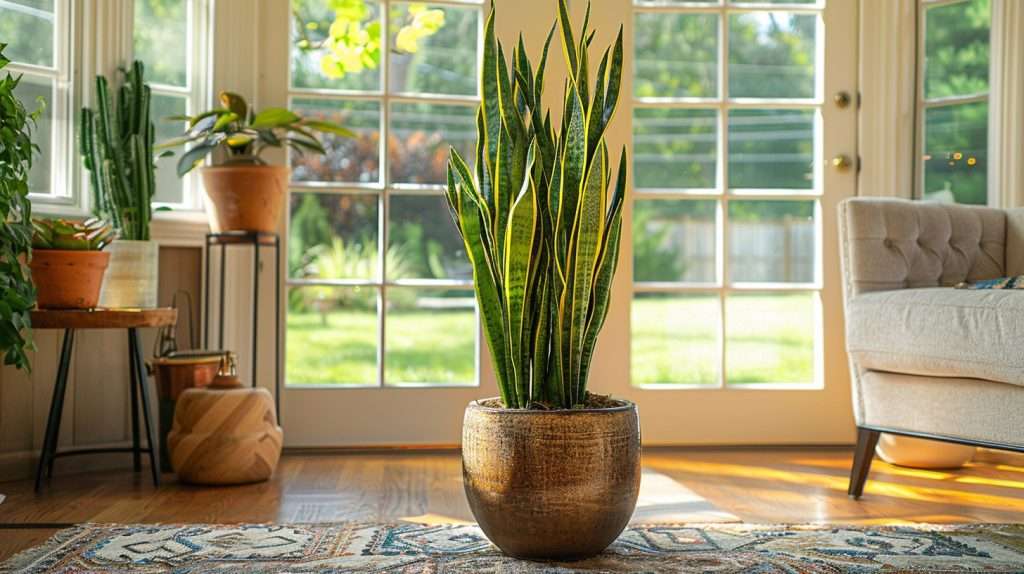
Pruning snake plants is essential for a few reasons. Firstly, it helps to maintain the overall health of the plant by removing damaged or dead leaves that may potentially spread disease (The Garden Bug Detroit). By eliminating these parts, you can prevent any potential issues from affecting the rest of the plant.
Additionally, pruning can shape and control the growth of your snake plant, ensuring it remains visually appealing and well-proportioned.
Signs That Your Snake Plant Needs Pruning
While snake plants are relatively low-maintenance, there are a couple of signs that indicate it may be time for pruning. If your snake plant has become too tall or if the leaves start to wither and die, it’s a good indication that pruning is necessary.
Overgrown or unruly growth can affect the plant’s appearance and may make it difficult to manage.
Inspect your snake plant regularly and look out for any damaged or discolored leaves. If you notice any signs of withering, browning, or decay, it’s a clear indication that those particular leaves should be pruned.
Removing these damaged parts will not only enhance the overall appearance of your plant but also promote healthier growth.
In the next sections, we will delve into the process of pruning a snake plant, including the necessary tools and precautions, as well as techniques for removing leaves. But before we proceed, it’s important to note that pruning should be done sparingly and only when needed. With the right care and attention, your snake plant can thrive without frequent pruning.
For more snake plant care tips, check out our comprehensive guide on snake plant care tips.
Snake Plant Pruning 101
Pruning is an essential part of snake plant care that helps maintain the plant’s aesthetics and overall health. By removing dead or damaged leaves and controlling the height and size of your snake plant, you can ensure its vitality and promote new growth.
Here’s a step-by-step guide on how to prune your snake plant.
Tools and Precautions
Before you begin pruning, gather the necessary tools: clean pruning shears or scissors, a pair of gloves, and a small container or bag for collecting the trimmed leaves. It’s important to use clean and sharp pruning shears to avoid introducing any pathogens to the plant.
Wear gloves to protect your hands from any sharp edges or potential irritants on the leaves. Additionally, take care not to damage healthy leaves or the central growing point of the plant while pruning.
Removing Dead or Damaged Leaves
To start pruning, identify any dead or dying leaves on your snake plant. Dead leaves can be easily removed by gently pulling them from the base of the plant.
If a leaf is still partially green, it is better to cut it close to the soil to promote new growth and prevent the spread of disease (Lively Root).
Using your clean pruning shears, carefully cut the leaf as close to the soil as possible without causing any damage to the healthy foliage. Place the trimmed leaves in a container or bag for disposal.
Controlling Height and Size
Pruning can also help control the height and size of your snake plant.
If you find that your snake plant has grown too tall for your liking, you can trim the top portion of the main stem to reduce its height. Make a clean cut just above a leaf node or joint using your pruning shears.
By controlling the height of your snake plant, you can ensure it remains a suitable size for your space and prevent it from becoming too top-heavy or unmanageable.
Remember to be mindful of the plant’s overall balance and aesthetic when trimming.
Regular pruning not only keeps your snake plant looking tidy but also encourages new growth and maintains its overall health.
It’s important to note that snake plants have a slow growth rate, so avoid excessive pruning to prevent stressing the plant (snake plant growth rate).
For more snake plant care tips, including ideal growing conditions, watering and light requirements, as well as additional care considerations, refer to our comprehensive article on snake plant care tips.
Best Practices for Pruning Snake Plants
When it comes to pruning your snake plant, following best practices will ensure that you maintain the plant’s health and promote optimal growth. Here are some key considerations for successful snake plant pruning:
Pruning Timing
Pruning should ideally be done during the spring or summer months when the plant is actively growing. This allows the snake plant to recover more quickly from the pruning process.
It’s important to avoid pruning during the winter, as the plant may be in a dormant state and less responsive to pruning.
Clean and Sharp Pruning Shears
To prevent damage to your snake plant, it is essential to use clean and sharp pruning shears. Before and after each use, disinfect the shears to prevent the spread of diseases.
This simple step helps maintain the overall health of the plant (Lively Root).
Techniques for Removing Leaves
When removing dead or damaged leaves, they can be gently pulled from the base of the plant. However, if a leaf is still partially green, it is better to cut it close to the soil to promote new growth.
By pruning the leaf close to the soil, you encourage the plant to direct its energy towards new foliage.
If you want to control the height of your snake plant, you can prune the top leaves. By doing so, you encourage branching and bushier growth. However, keep in mind that cutting the top of the plant may result in slower growth for a period of time.
So, if you’re looking for a compact plant, pruning the top can be an effective technique (Lively Root).
Remember, pruning snake plants not only helps maintain their aesthetics but also promotes overall health by removing damaged or dead parts that can potentially spread disease (The Garden Bug Detroit).
By following these best practices, you can ensure the well-being of your snake plant and encourage its growth and vitality.
For more information on caring for snake plants, including ideal growing conditions, watering requirements, and additional care considerations, check out our article on snake plant care tips.
Snake Plant Care Tips
To ensure the health and vitality of your snake plant, it’s important to provide it with the ideal growing conditions, proper watering and light requirements, and additional care considerations. By following these tips, you can keep your snake plant thriving and looking its best.
Ideal Growing Conditions
Snake plants prefer well-draining soil that is not too rich in nutrients. A recommended mix of potting soil and sand or perlite works well to provide the right balance. Avoid heavy soils that retain too much moisture, as this can lead to root rot.
For more information on snake plant soil requirements, you can refer to our article on snake plant soil requirements for detailed guidelines.
Watering and Light Requirements
Snake plants are known for their tolerance to low light conditions, but they thrive best in bright, indirect light. Direct sunlight can scorch the leaves, so it’s best to place your snake plant in a location where it can receive bright, filtered light.
If you’re unsure about the light requirements of your snake plant, our article on snake plant light requirements can provide you with more insights.
When it comes to watering, snake plants are relatively low-maintenance. They should be watered every 2-3 weeks, depending on the temperature and humidity of the room. It’s important to allow the soil to dry out completely between waterings to avoid overwatering and root rot.
Our article on snake plant watering schedule provides more detailed guidance on how to water your snake plant properly.
Additional Care Considerations
Snake plants are adaptable and can tolerate a wide range of temperatures and humidity levels. They prefer temperatures between 60-85°F (15-29°C) and do well in low humidity environments.
This makes them suitable for various indoor environments. However, avoid exposing your snake plant to extreme temperature fluctuations or excessively dry conditions.
Regularly dusting the leaves of your snake plant can help maintain its appearance and promote optimal growth. You can gently wipe the leaves with a damp cloth or use a soft brush to remove any accumulated dust.
This will allow the plant to absorb light more efficiently and prevent any potential issues caused by dust buildup.
Snake plants have long, upright leaves that are usually green with variegated edges, making them a stylish addition to any room. Regularly inspect your snake plant for any signs of pests or disease. If you notice any issues, promptly address them to prevent further damage.
If you’re interested in propagating your snake plant, our article on snake plant propagation offers step-by-step instructions.
By providing your snake plant with the ideal growing conditions, proper watering and light requirements, and additional care considerations, you can enjoy the beauty and benefits of this resilient houseplant for years to come.
Remember to refer to our snake plant care tips for comprehensive guidance on keeping your snake plant healthy and thriving.


