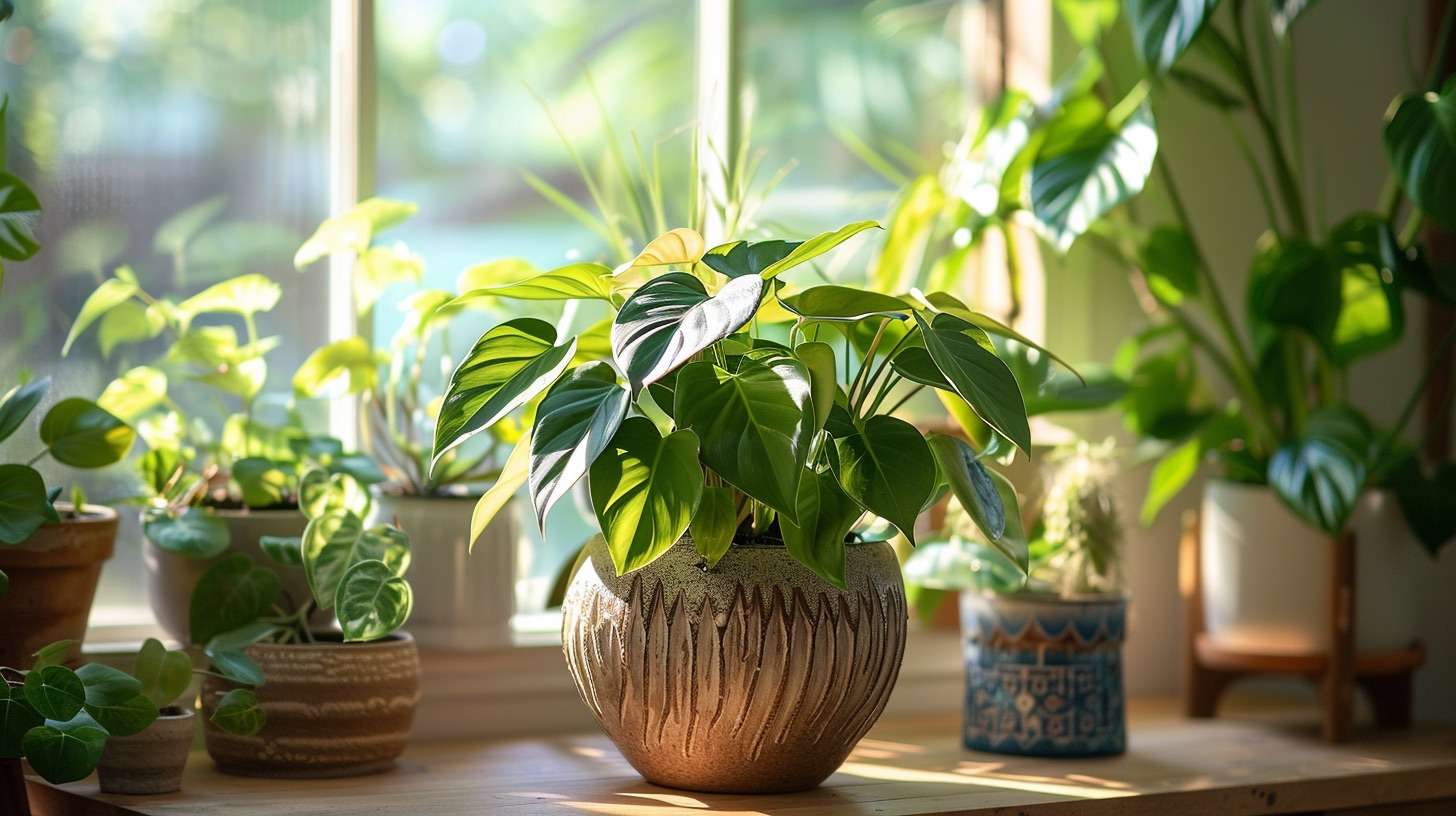
Embrace the Outdoors: Maximizing the Potential of Monstera Plants Outdoors
Monstera plants, with their distinctive, lush foliage, are a favorite among plant lovers, and for good reason.
But can we keep monstera plants outdoors? Let’s find out.
Introduction to Monstera
Originating from Central and South America, Monstera plants are known for their large, glossy leaves that feature unique, natural holes or splits, earning them the nickname “Swiss Cheese Plant”. The genus Monstera is part of the Araceae family and includes a variety of species, with Monstera deliciosa being one of the most common ones. You can learn more about monstera deliciosa varieties on our website.
Monstera plants can thrive both indoors and outdoors, but to truly allow them to reach their full potential, providing them with an outdoor environment that mimics their natural habitat can be beneficial. This is where the concept of ‘monstera plant outdoor’ care comes into play.
Why Monstera for Your Outdoor Space?

Choosing to grow a Monstera outdoors can elevate your garden or patio to a new level. Their exotic and dramatic appearance makes them the perfect statement plant, adding a touch of tropical charm to your outdoor space.
Monstera plants can grow quite large when given the right conditions, providing a stunning visual impact. Their size and shape can also create a soothing sense of enclosure, making your outdoor space feel like a private, green oasis.
Not only do Monsteras contribute aesthetically, but they’re also known for their air-purifying qualities. They can help to cleanse the surrounding air, making your outdoor space not only beautiful but healthier too.
Growing a monstera plant outdoor requires understanding its specific care needs, such as optimal sunlight, temperature, and watering conditions. Our monstera plant care guide provides comprehensive information to help you keep your monstera healthy and thriving.
Whether you’re a seasoned plant parent or a newbie, a monstera plant can be a wonderful addition to your outdoor space. It’s not just a plant; it’s a statement, a breath of fresh air, and a testament to your love for the wild and the beautiful.
Understanding Monstera Care
Caring for a Monstera plant outdoor requires a good understanding of the plant’s needs. These include the optimal outdoor conditions, watering, and feeding needs.
Optimal Conditions for Monstera Plants Outdoors
Monsteras thrive in environments that replicate their natural habitat. They are tropical plants that prefer warm, humid conditions. The plant can tolerate a wide range of light conditions from low light to bright, indirect light but should be kept away from direct sunlight as it can burn the leaves.
Outdoor Monsteras can also tolerate a wide range of soil types, provided the soil is well-draining. A mixture of peat, perlite, and potting soil often works well. Monsteras also appreciate a humid environment, so consider placing your plant in a spot that gets plenty of humidity.
If you’re interested in learning more about the specific care requirements for different Monstera varieties, check out our guide on monstera deliciosa varieties.
Watering and Feeding Needs
When it comes to watering, Monsteras prefer the ‘less is more’ approach. It’s best to water the plant thoroughly and then allow the top inch of soil to dry out before watering again. Overwatering can lead to root rot, a common issue with these plants.
Monsteras are not heavy feeders but do appreciate a balanced plant fertilizer during the growing season (spring and summer). A monthly feeding with a diluted (half-strength) water-soluble fertilizer is generally sufficient.
| Season | Watering Frequency | Feeding Frequency |
|---|---|---|
| Spring/Summer | Once top inch of soil is dry | Monthly |
| Fall/Winter | Less frequently, when top 2 inches of soil are dry | Not necessary |
Remember, each Monstera plant is unique and may have slightly different care requirements. Always monitor your plant for signs of distress and adjust care as needed. For more information on recognizing and addressing common issues, check out our guide on monstera plant yellow leaves.
By understanding and providing the optimal outdoor conditions and appropriate watering and feeding needs, your Monstera plant can thrive and bring a touch of tropical elegance to your outdoor space. For more in-depth care tips, please visit our comprehensive guide on monstera plant care.
Positioning and Sunlight Considerations
When caring for a Monstera plant outdoors, understanding its light needs and finding an ideal location for it are crucial aspects of its care.
Understanding Monstera’s Light Needs
Monstera plants are native to the tropical rainforests of Central and South America where they receive plenty of indirect light. Hence, they thrive in bright, indirect sunlight when grown outdoors.
Direct sunlight, particularly in the hotter parts of the day, can lead to sunburn on the leaves of the Monstera plant. This can manifest as brown or yellow spots on the leaves. Therefore, it’s essential to protect your Monstera from the harsh afternoon sun. If you are noticing signs of sunburn, you may want to read our article on monstera plant yellow leaves for tips on how to address this issue.
Finding the Perfect Spot for Your Monstera
The perfect spot for your Monstera plant outdoor would be a location that receives bright, filtered sunlight. A spot under a larger tree or a pergola can provide the Monstera with the shade it needs to avoid leaf burn while still receiving enough light for growth.
If you are transitioning your Monstera from an indoor to an outdoor environment, it’s important to do so gradually to avoid shock. Start by placing it outdoors for a few hours a day, slowly increasing the duration over the course of a week or two. For more information on this, check our article on monstera plant indoor to outdoor transition.
Keep in mind that the Monstera is a climbing plant in its natural habitat. Therefore, providing some form of support such as a trellis or a stake can help the plant grow in a healthy and controlled manner. You can find more information on supporting your Monstera in our article on monstera plant support.
Remember that every Monstera plant is unique and may have slightly different sunlight needs. Keep an eye on your plant’s growth and adjust its location as needed. Happy growing!
Monstera and Temperature
When growing a monstera plant outdoor, it’s essential to understand that temperature plays a significant role in the plant’s well-being. It can impact the overall growth, health, and vibrancy of the monstera.
Ideal Temperature Range for Monstera
Monstera plants are tropical in nature, which means they thrive in warm, humid conditions. The ideal temperature range for a healthy monstera plant is between 65-85°F (18-29°C). This temperature range is optimal for the plant’s growth, and it helps to keep the plant’s vibrant green foliage looking its best.
| Ideal Temperature for Monstera | Temperature Range |
|---|---|
| Fahrenheit | 65°F – 85°F |
| Celsius | 18°C – 29°C |
However, it’s essential to remember that while they can tolerate a wide range of temperatures, sharp fluctuations can stress the plant. For more comprehensive information on monstera plant care, visit our monstera plant care guide.
Protecting Monstera from Extreme Weather
Monstera plants are not built to withstand extreme cold or hot weather. In cold conditions, monstera plants can suffer from frostbite, which can damage the leaves and stems. If the temperature drops below 50°F (10°C), it’s recommended to move your monstera plant indoor. For more on indoor care, check out our monstera plant indoor guide.
On the other hand, high temperatures above 90°F (32°C) can cause the leaves to wilt or scorch, particularly if they are exposed to direct sunlight. During heatwaves, it’s best to move your monstera to a shaded area, ensure it’s well-watered, and consider misting the leaves for extra humidity.
| Weather Condition | Action |
|---|---|
| Cold (below 50°F / 10°C) | Move monstera indoor |
| Hot (above 90°F / 32°C) | Provide shade and extra water |
Remember, the key to a thriving monstera plant outdoor is to closely monitor the weather conditions and adjust the care accordingly. In doing so, you’ll ensure that your monstera remains a vibrant and healthy addition to your outdoor space.
Dealing with Common Monstera Issues
Just like any other plant, a Monstera plant outdoor may experience a few common issues. Understanding these problems and how to address them can help ensure that your Monstera remains healthy and continues to thrive.
Recognizing Signs of Distress in Monstera
Monstera plants are generally hardy, but they can show signs of distress if their needs are not met. Recognizing these signs early can help prevent further damage to your plant and ensure quick recovery.
- Yellow Leaves: Yellow leaves can be an indication of overwatering. When the plant receives more water than it needs, the roots become waterlogged and oxygen-starved, leading to yellowing leaves. You can learn more about this issue in our article on monstera plant yellow leaves.
- Brown Spots: Brown spots on the leaves can indicate a number of issues, including over-fertilization, sunburn, or a disease. If you notice brown spots, it’s important to review your care routine and ensure you’re not overdoing anything.
- Wilting: If your Monstera plant is wilting, it may be due to root rot, typically a consequence of overwatering or poor drainage. It’s important to ensure that your Monstera’s pot has sufficient drainage holes to prevent standing water.
- Stunted Growth: If your Monstera isn’t growing as expected, it might not be getting enough light, or it could be root-bound. Consider moving your plant to a brighter location or repotting it into a larger container.
Remember, the sooner you identify and address these issues, the better chance your plant has of bouncing back.
Tips for Healthy Monstera Growth
Ensuring healthy growth for your Monstera plant outdoor involves a combination of proper care and timely intervention. Here are some tips to help your Monstera thrive:
- Proper Watering: Water your Monstera when the top inch of soil feels dry to the touch. Overwatering can lead to root rot, while underwatering can cause wilting.
- Adequate Light: Monstera plants prefer bright, indirect light. Too much direct sunlight can cause leaf burn, while insufficient light can lead to slow growth.
- Feeding: Feed your Monstera with a balanced houseplant fertilizer every month during the growing season. Overfeeding can lead to salt build-up in the soil, which can cause leaf burn.
- Pruning: Regularly prune your Monstera to maintain its size and shape. Pruning also encourages bushier growth. Check out our guide on monstera plant pruning for more information.
- Support: As your Monstera grows, it may need support to help it maintain its shape. You can use a moss pole or any other type of support suitable for climbing plants. Learn more about monstera plant support in our article.
By recognizing the signs of distress and providing the necessary care, you can ensure that your Monstera plant outdoor thrives and continues to be a showstopper in your garden.
Propagating Your Monstera
Propagating a Monstera plant is not only a rewarding experience but also a cost-effective way to add more greenery to your outdoor space. In this section, we’ll guide you through the process of Monstera propagation, including the best time to do it and how to increase your chances of success.
When and How to Propagate Monstera
The optimal time to propagate your Monstera plant is during the growing season, typically from spring to early fall. This is when the plant is most active and likely to produce new growth.
Here’s a simple step-by-step guide on how to propagate your Monstera:
- Identify a healthy stem on your Monstera with at least two nodes (the bumps where leaves and aerial roots grow from).
- Using a clean, sharp knife, make a cut below the node.
- Place the cutting in a container of water, ensuring the node is submerged but the leaf is not.
- Place the container in a location with bright, indirect light.
- Wait patiently for roots to grow (this may take several weeks).
For a more detailed guide to the propagation process, visit our comprehensive monstera propagation page.
Ensuring Success in Monstera Propagation
While propagation can seem like a simple process, there are a few tips to ensure your Monstera cutting thrives:
- Use a clean, sharp tool to make the cut. This reduces the chance of disease transmission.
- Change the water in the propagation container every few days to prevent bacterial growth.
- Be patient! Monstera cuttings can take several weeks to produce roots.
- Once roots are a few inches long, you can plant your propagated Monstera in a pot with well-draining soil.
Remember, the success of propagation is not guaranteed, but these tips can significantly increase your odds. Don’t be disheartened if your first attempt doesn’t work out. Gardening is all about patience and learning from experience.
By propagating your Monstera plant, you can continue to fill your outdoor space with these stunning plants without having to purchase new ones. Plus, they make excellent gifts for fellow plant lovers. If you’re interested in exploring more about this magnificent plant, check out our monstera plant care page for more useful tips and information.