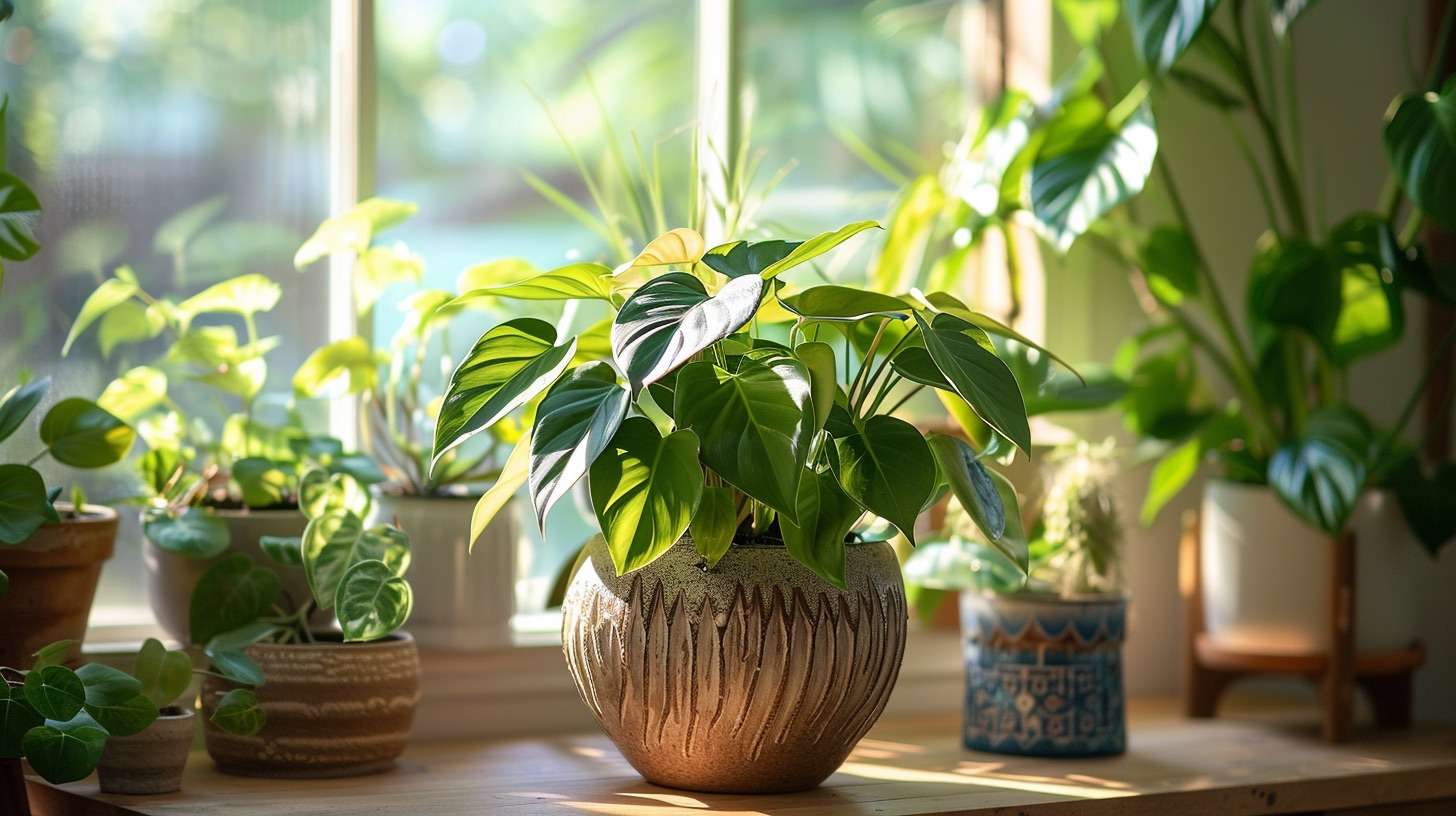
Illuminate Your Home: Understanding Pothos Plant Light Requirements
If you’re a fan of houseplants, you’re probably already familiar with the pothos plant. This popular plant is beloved for its luscious green leaves and easy-care nature. Whether you’re new to the houseplant community or a seasoned plant parent, understanding the pothos plant light requirements will help it thrive in your home.
What is a Pothos Plant
The pothos plant, also known as Epipremnum aureum, is a vine plant native to the Solomon Islands. It’s one of the most popular houseplants around the globe due to its hardiness and attractive foliage. The leaves of the pothos are heart-shaped, glossy, and come in a variety of patterns and colors. There are several types of pothos plants, including the Golden Pothos, Marble Queen, and the eye-catching variegated varieties. For more information about the different types of pothos plants, check out our article on types of pothos plants.
Pothos plants are known for their ability to adapt to a wide range of environments. They’re also highly efficient at purifying the air, making them a great addition to any home or office space.
Why Choose a Pothos Plant for Your Home
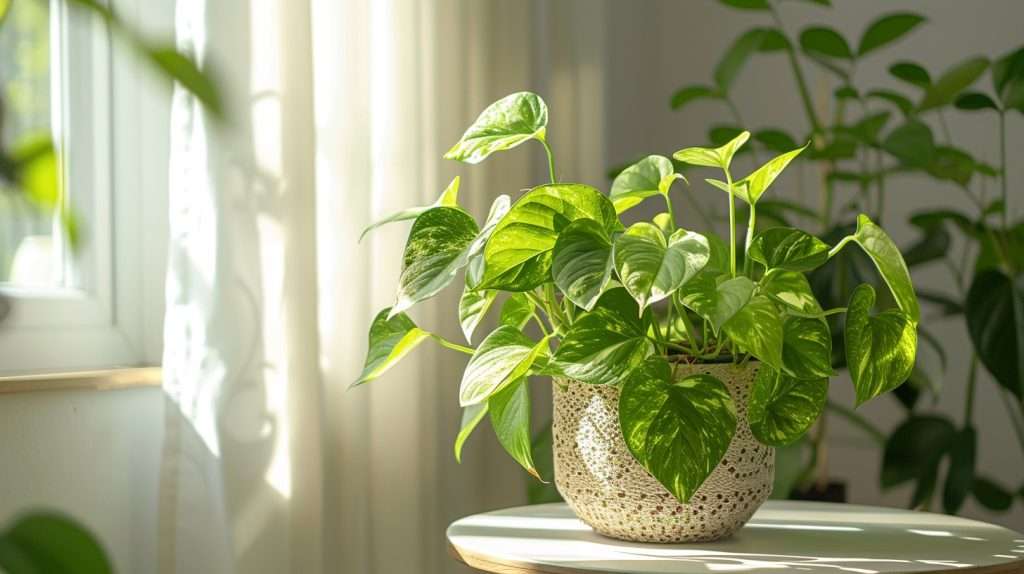
There are many reasons why you might want to invite a pothos plant into your space. Here are a few:
- Easy to Care For: Pothos plants are incredibly forgiving and can withstand periods of neglect. They are perfect for beginners or those with a busy lifestyle.
- Air Purifying: Pothos plants are known for their ability to remove toxins from the air, contributing to a healthier indoor environment.
- Versatile Decor: With their trailing vines, pothos plants are great for hanging baskets, climbing walls, or simply placed on a shelf.
- Propagation: Pothos are one of the easiest plants to propagate. With a few cuttings, you can easily multiply your pothos collection. Learn more about how to propagate pothos in our dedicated article.
Understanding your pothos plant’s light requirements is key to keeping it healthy and happy. As we delve further into the topic, you’ll learn about the ideal light conditions for your pothos and how to adjust its light exposure in your home. Whether you’re just starting with a small pothos cutting or caring for a mature vine, this guide will shine a light on all you need to know about pothos plant light requirements.
Understanding Pothos Plant Light Requirements
Let’s shed some light on the subject of plant care, particularly focusing on the pothos plant light requirements.
The Importance of Light for Plants
You might remember from school that light is fundamental to photosynthesis, the process through which plants produce energy. Without adequate light, a plant cannot effectively generate the food it needs to grow and thrive.
Light not only powers photosynthesis but also influences a plant’s physical development. It can affect the plant’s shape, color, and even the direction it grows in. When it comes to indoor plants like the pothos, it’s crucial to understand how much light your plant needs.
How Light Affects Pothos Plant Growth
Pothos plants are known for their adaptability, and they can survive in a variety of light conditions. However, the amount of light your pothos receives can significantly impact its growth and health.
In low light, your pothos may grow slower and produce smaller leaves. Also, if you have a variegated pothos, insufficient light can cause it to lose its beautiful variegation. You can learn more about different variegated pothos varieties in our dedicated article.
On the other hand, too much direct sunlight can scorch the leaves, causing them to turn yellow or brown. While pothos plants can adapt to a range of lighting conditions, they prefer indirect, bright light for optimal growth.
| Light Condition | Pothos Plant Response |
|---|---|
| Bright, indirect light | Strong growth, larger leaves, retains variegation |
| Low light | Slower growth, smaller leaves, potential loss of variegation |
| Direct sunlight | Risk of scorched leaves, yellowing or browning of leaves |
A balance of light exposure is key to maintaining a vibrant and healthy pothos plant. By understanding the pothos plant light requirements, you can ensure your plant receives just the right amount of light it needs to thrive. For more detailed care instructions, check out our comprehensive guide on pothos plant care.
Pothos Plant Light Preferences
Understanding the light preferences of your pothos plant is essential to ensure its proper growth and vitality. This section will guide you through the ideal light conditions for pothos and help you understand the importance of light intensity and duration.
Ideal Light Conditions for Pothos
Pothos plants are incredibly adaptable and can thrive in a variety of light conditions. However, they prefer bright, indirect light. Direct sunlight can be too harsh and cause the leaves to scorch, while too little light can stunt growth and cause the leaves to lose their variegation.
A spot near a north or east-facing window that receives plenty of indirect light is typically ideal for a pothos plant. If you’re unsure about the light conditions in your home, you may try different spots and observe how your plant responds. Remember, the key is to find a balance that provides enough light without causing harm.
For a detailed guide on the various factors affecting pothos growth, check out our article on pothos plant care.
Understanding Light Intensity and Duration
Light intensity refers to the brightness or strength of light that your plant receives. As mentioned earlier, pothos plants prefer bright, indirect light. Too much direct sunlight can lead to leaf burn, while too little light can result in slow growth and loss of leaf color.
On the other hand, light duration refers to the length of time your plant is exposed to light within a 24-hour period. Pothos plants are tropical in nature and are accustomed to long days. Ideally, they should receive at least 6 to 8 hours of indirect light per day.
| Light Intensity | Effect on Pothos |
|---|---|
| Low | Slow growth, loss of leaf color |
| Medium | Steady growth, maintains leaf color |
| High (direct sunlight) | Potential leaf burn |
| Light Duration | Effect on Pothos |
|---|---|
| Short (less than 6 hours) | Slow growth, possible loss of leaf color |
| Ideal (6-8 hours) | Healthy growth, maintains leaf color |
| Long (more than 8 hours) | Rapid growth, but risk of light stress |
Understanding these two aspects of light – intensity and duration – can significantly impact the health and appearance of your pothos plant. Adjusting these factors according to your plant’s needs will ensure that it grows vibrant and healthy. For more tips on dealing with common pothos plant issues, visit our page on pothos plant problems.
Remember, every plant is unique, and the ‘perfect’ light conditions may vary from one pothos plant to another. Be attentive to your plant’s needs, observe its response to different light conditions, and adjust accordingly. Happy gardening!
Adjusting Light Exposure for Your Pothos
Mastering the light requirements of your Pothos plant can make all the difference in its health and growth. This section will guide you through managing indoor light exposure and dealing with situations of too much or too little light.
Tips for Indoor Light Exposure
Indoor light exposure can be a challenge for houseplants, but your Pothos is quite adaptable. Here’s how to ensure it gets the right amount of light:
Position Wisely: Pothos plants thrive in bright, indirect light. Place them near a north or east-facing window. If that’s not possible, consider a west or south-facing window, but protect your Pothos from direct sunlight with sheer curtains.
Rotate Regularly: To ensure even growth, rotate your Pothos plant every few weeks so that all sides get equal exposure to light.
Use Artificial Light: If natural light is limited, your Pothos can survive under fluorescent lights. They’re perfect for office environments or rooms with little to no natural light.
Remember, your Pothos will signal if it’s not happy with its light conditions. Yellow leaves can mean too much light, while leggy, stretched-out vines can indicate too little light. For more on Pothos plant care, check out our guide on pothos plant care.
Dealing with Too Much or Too Little Light
If your Pothos is showing signs of distress, it might be receiving too much or too little light. Here’s how to adjust:
Too Much Light: If your Pothos leaves are turning yellow or the variegation is fading, it might be getting too much direct sunlight. Move it to a location with brighter indirect light or diffuse the sunlight with curtains.
Too Little Light: If your Pothos becomes leggy, with long spaces between leaves, it may be trying to reach for more light. Move it to a brighter location or consider using a grow light to supplement natural light.
Adjusting the light conditions for your Pothos is a trial-and-error process. Monitor your plant closely, note the changes, and make necessary adjustments. This will help you understand the best light conditions for your Pothos to thrive indoors.
For more detailed information on how to handle light-related issues, check out our article on pothos plant problems. Remember, providing the right light conditions is crucial, but it’s not the only factor in Pothos care. Regular watering, feeding, and proper soil also play a key role. Learn more about these in our guide on best soil for pothos and pothos plant fertilization.
Common Light-related Problems in Pothos
Even though Pothos are known for their resilience and adaptability, they can still encounter issues related to improper light exposure. Understanding these problems is key to maintaining the health and vibrancy of your Pothos plant.
Identifying Light-related Issues
A Pothos plant’s appearance can change significantly when it’s not receiving the right amount of light. Here are some common signs that your Pothos may be dealing with light-related problems:
Leggy Vines: If your Pothos is getting too little light, you might notice that the vines are growing long and leggy, with large spaces between the leaves. This is because the plant is stretching out in search of more light.
Yellow Leaves: If you notice the leaves on your Pothos turning yellow, it may be getting too much light. Pothos plants prefer indirect light, and direct sunlight can burn the leaves, causing them to turn yellow and wilt.
Loss of Variegation: Pothos plants with variegated leaves need more light to maintain their beautiful patterns. If your variegated Pothos isn’t getting enough light, the leaves may turn solid green. For more on this, check out our article on variegated pothos varieties.
| Common Issue | Likely Cause |
|---|---|
| Leggy Vines | Too Little Light |
| Yellow Leaves | Too Much Light |
| Loss of Variegation | Not Enough Light |
Solutions for Common Light-related Problems
If you’ve identified light-related issues with your Pothos, don’t worry! There are several solutions you can implement to help your plant thrive.
Adjust the Light: If your Pothos is showing signs of too little or too much light, try adjusting its location. Move it to a brighter spot if it’s not getting enough light, or relocate it to a shadier area if it’s getting too much. Remember, Pothos plants thrive in indirect light.
Rotate Your Plant: Ensuring all parts of your Pothos get uniform light exposure can prevent leggy growth. Regularly turn your plant so each side gets its time in the light.
Use Artificial Lighting: If you’re struggling to provide enough natural light, consider using a grow light. These can help supplement light, especially during shorter winter days.
Remember, every Pothos is unique, and what works for one might not work for another. Experiment with different light conditions to find what best suits your plant. For more tips on caring for your Pothos, check out our comprehensive guide on pothos plant care.