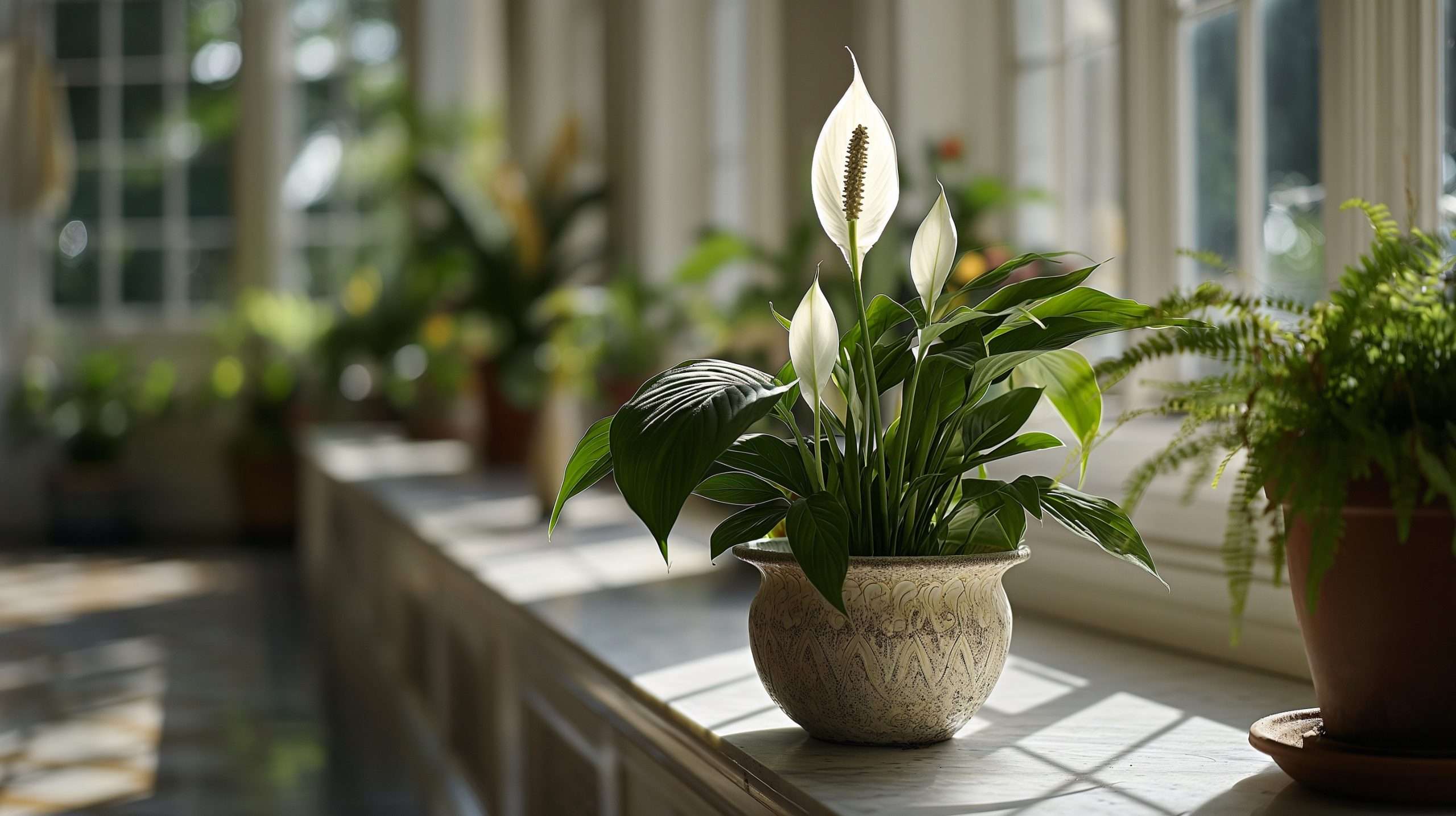
Green Thumb Magic: Unleash the Power of Pothos Plant Care
Pothos plants are a popular choice for indoor gardening due to their beauty, versatility, and ease of care. Let’s dive into the world of pothos plant care and discover why this plant could be the perfect addition to your indoor spaces.
What is a Pothos Plant?

Pothos, scientifically known as Epipremnum aureum, is a type of trailing vine plant native to tropical regions. It’s known for its heart-shaped leaves, which can come in various shades of green, yellow, white, and even silver, depending on the variety. Some of the most popular types of pothos include the golden pothos with its yellow-variegated leaves, the jade pothos with solid green leaves, and the marble queen pothos showcasing a beautiful mix of green and white. To learn more about the different varieties, check out our article on types of pothos plants.
Pothos plants are often confused with Philodendron due to their similar appearances, but they belong to different plant families. One key difference is the leaf texture; pothos leaves are typically thicker and have a waxy feel.
Why Choose Pothos for Your Indoor Garden?
There are numerous reasons why pothos makes a great choice for your indoor garden. Firstly, their attractive foliage adds a touch of nature’s beauty to any space, and they can be grown in hanging baskets or trained along a trellis or pole for a beautiful vertical display.
But it’s not just the aesthetics that make pothos a popular choice. They’re also renowned for their hardiness and adaptability. Pothos plants can tolerate a range of light conditions (though they prefer indirect light—find out more in our article on pothos plant light requirements) and are forgiving if you occasionally forget to water them. This makes them an ideal choice for beginners or those who don’t have a lot of time to devote to plant care.
Moreover, pothos plants are known for their air-purifying qualities. They can help to filter and clean the air in your home, making them not just beautiful, but beneficial too. Discover more about these and other pothos plant benefits in our dedicated article.
Overall, incorporating pothos into your indoor garden can bring you aesthetic pleasure and a sense of accomplishment as you watch your green thumb efforts pay off. As you continue to delve into pothos plant care, you’ll find that these plants have much to offer and can be a rewarding addition to your horticultural pursuits.
Basic Pothos Plant Care
Taking care of your pothos plant doesn’t have to be a daunting task. Understanding its basic needs such as light, water, temperature and humidity can help you maintain a healthy and thriving plant.
Understanding Pothos Light Requirements
Pothos plants are quite adaptable when it comes to light. They can tolerate low light conditions, but they grow best in bright, indirect light. It’s important to keep them away from direct sunlight, as this can scorch their leaves.
| Light Condition | Pothos Growth |
|---|---|
| Low Light | Slow Growth |
| Indirect Light | Optimal Growth |
| Direct Sunlight | Leaf Scorching |
Remember, variegated varieties may lose their variegation if they don’t get enough light. For more specific light requirements for different pothos varieties, check out our article on pothos plant light requirements.
Grasping Pothos Watering Needs
When it comes to watering your pothos, less is more. Pothos prefer to dry out between waterings, so ensure the top inch of soil is dry before you water again. Overwatering can lead to root rot, a common problem in pothos.
| Soil Condition | Watering Action |
|---|---|
| Top inch of soil is dry | Time to water |
| Soil is damp | Wait to water |
| Soil is soggy | Overwatered, risk of root rot |
The frequency of watering will depend on the plant’s environment, such as light, humidity, and temperature. A pothos in a bright, warm location will likely need water more often than one in a cooler, low light area.
The Importance of Temperature and Humidity for Pothos
Pothos plants prefer a typical indoor temperature range from 70-90°F. They can tolerate temperatures as low as 50°F, but growth may slow. Make sure to keep your plant away from drafts, air conditioners, and heating vents that can create sudden temperature changes.
| Temperature Range (°F) | Pothos Response |
|---|---|
| 50-70 | Slow Growth |
| 70-90 | Optimal Growth |
| Above 90 | Potential Stress |
As tropical plants, pothos enjoy a higher humidity environment. However, they are quite adaptable and can thrive in typical household humidity levels. If you notice the leaf tips turning brown, it may be a sign your pothos wants more humidity.
By understanding and catering to these basic requirements, you’re on your way to becoming a successful pothos plant owner. But remember, every plant is unique and may need adjustments based on its specific growth habits and environment. For more advanced care tips, check out our articles on pothos plant fertilization and how to propagate pothos. Happy planting!
Advanced Pothos Plant Care
Once you’ve mastered the basics of pothos plant care, you can move on to more advanced techniques to help your pothos thrive. This includes fertilizing your pothos and learning the art of pruning and training your plant.
Fertilizing Your Pothos
Pothos plants, like most houseplants, benefit from regular feeding. Fertilizing your pothos provides the necessary nutrients it needs to grow lush and vibrant. You should aim to fertilize your pothos every two to three months during the growing season (spring and summer).
Choose a balanced, water-soluble fertilizer and follow the package instructions for the recommended dilution. Remember, when it comes to fertilizer, less is more. Too much fertilizer can cause salt build up in the soil, which can lead to leaf burn or even root damage.
Before applying the fertilizer, ensure your pothos is well-watered. This will protect the roots from the concentrated nutrients in the fertilizer. You can read more about pothos plant fertilization in our detailed guide.
Pruning and Training Your Pothos
Pothos plants are known for their long, trailing vines, but without a little guidance, they can become unruly. Pruning and training your pothos will not only help maintain its size and shape, but also encourage fuller growth.
When pruning your pothos, use sharp, clean scissors to make clean cuts. Trim the vines back to a length that suits your aesthetic preference. You can remove any yellow or brown leaves at this time too.
For training your pothos, you have several options. You can let the vines trail down from a hanging basket or shelf, or you can provide a support structure like a trellis or moss pole for the pothos to climb. Pothos plants can adapt to most indoor conditions and configurations, so feel free to get creative!
One of the benefits of pruning your pothos is that you can use the cuttings to propagate new plants. This is a cost-effective way to expand your indoor garden or share the joy of pothos with your friends and family. Learn more about how to propagate pothos in our step-by-step guide.
By mastering these advanced pothos plant care techniques, you can help your pothos plant thrive and flourish. Remember, a happy pothos is a sign of a successful plant parent! Keep nurturing your green thumb and enjoy the journey of indoor gardening.
Troubleshooting Pothos Plant Problems
Despite the easy-going nature of the pothos plant, it’s not uncommon to encounter a few issues along your plant care journey. It’s important to remember that these hiccups are part of the plant care process, and addressing them promptly can help your pothos bounce back quickly.
Common Pothos Health Issues
There are several health issues that your pothos might face. Yellowing leaves can be a sign of overwatering, while brown, crispy leaves may indicate that the plant is not getting enough humidity or it’s getting too much direct sunlight.
Here’s a quick guide to common pothos health issues and their causes:
| Problem | Possible Cause |
|---|---|
| Yellowing leaves | Overwatering |
| Brown, crispy leaves | Low humidity or too much sunlight |
| Leggy, sparse growth | Insufficient light |
For more information about these and other potential issues, visit our page on pothos plant problems.
How to Treat Pothos Pests
Pothos might occasionally be bothered by pests such as mealybugs, spider mites, and scale insects. If you notice tiny white cottony spots or small brown or black bumps on your plant, it’s likely dealing with pests.
For mild infestations, you can use a cotton swab dipped in alcohol to remove the pests. For more serious infestations, you might need to use a mild insecticidal soap. Always make sure to isolate the affected plant from your other houseplants to prevent the pests from spreading.
| Pests | Treatment |
|---|---|
| Mealybugs | Cotton swab dipped in alcohol |
| Spider mites | Mild insecticidal soap |
| Scale insects | Mild insecticidal soap |
Remember, prevention is the best approach. Regularly check your plant for signs of pests and act immediately when you spot any.
Reviving a Struggling Pothos Plant
If your pothos plant is struggling, don’t lose hope! The first step to reviving your plant is to identify the issue. This could be anything from overwatering to insufficient light. Once you’ve identified the problem, you can take steps to address it.
If your pothos is overwatered, let it dry out completely before watering it again. If it’s not getting enough light, consider moving it to a brighter location, but remember, pothos plants don’t like direct sunlight. Visit our page on pothos plant light requirements for more tips.
In some cases, you might need to propagate your pothos to save it. If the plant has healthy leaves but the root system is compromised, you can cut off a healthy leaf and stem, place it in water or moist soil, and wait for it to root. For more information, check out our guide on how to propagate pothos.
Remember, pothos plant care is a journey, and there’s always a chance to learn, grow, and become a better plant parent. Keep caring, keep learning, and enjoy the journey!
Propagating Your Pothos
One of the joys of pothos plant care is the ease with which you can propagate these lush, verdant houseplants. Whether you’re looking to expand your indoor garden or share a piece of your green haven with friends, propagating pothos is a straightforward and rewarding endeavor.
How to Propagate Pothos
The process of propagating pothos involves only a few simple steps. Start by choosing a healthy vine from your plant. You should select one that has at least four leaves and cut just below the node (the small brown bump where the leaf stem attaches to the vine).
Once you have your cutting, remove the leaf closest to the cut end. This is where the roots will sprout. You can now place the cutting in a jar of water, ensuring that the node is submerged. It’s important to change the water every few days to prevent bacteria growth.
After a couple of weeks, you should begin to see roots growing from the node. Once these roots are about an inch long, your cutting is ready to be planted. Use a small pot filled with well-draining soil and place your cutting in a hole deep enough to cover the roots and the node. For more information on the best soil for pothos, check out our article on best soil for pothos.
| Step | Description |
|---|---|
| Select a Vine | Choose a healthy vine with at least four leaves. |
| Cut the Vine | Cut just below the node. |
| Prepare the Cutting | Remove the leaf closest to the cut end. |
| Soak the Cutting | Place the cutting in a jar of water with the node submerged. |
| Wait for Roots | Wait for roots to grow from the node. |
| Plant the Cutting | Plant the cutting in well-draining soil. |
When to Propagate Your Pothos
While pothos can technically be propagated at any time, the best results are often achieved during the spring and summer when the plant is in its active growing phase. This is when the plant’s natural growth hormones are at their peak, which can lead to faster root development and more successful propagation overall.
However, don’t let the season stop you. Even during the fall and winter, you can still propagate your pothos, though it may take a bit longer for the roots to develop. The most important thing is to provide your new plant cutting with the same care and attention you give to your mature pothos. This includes meeting its light requirements (for more on this, see our article on pothos plant light requirements) and ensuring it’s planted in suitable soil.
Through propagation, not only can you multiply your own collection of these beautiful plants, but you can also share the joy of pothos plant care with others, spreading the love for these hardy, low-maintenance houseplants. Remember, propagation is an experiment, so don’t be disheartened if your first few tries don’t work out. Keep trying, and soon you’ll have a thriving pothos jungle of your own!
Celebrating Your Green Thumb
After mastering the basics of pothos plant care, it’s time to sit back and enjoy the fruits of your labor. The lush, green leaves of your pothos plant will not only enhance the aesthetic appeal of your home but also serve as a testament to your gardening skills.
Enjoying the Beauty of Pothos
With its heart-shaped leaves and trailing vines, the beauty of a well-cared-for pothos plant is undeniable. Its ability to adapt to a variety of light conditions and relatively low maintenance requirements make it a popular choice for indoor gardeners.
The pothos plant is also known for its air-purifying qualities, helping to keep your indoor environment fresh and healthy. To learn more about the benefits of pothos plants, be sure to read our article on pothos plant benefits.
As your pothos plant grows, you may choose to experiment with different types of pothos plants, such as the variegated varieties. These varieties offer unique and vibrant color patterns that can add a touch of creativity to your indoor garden. For more information on these variants, check out our article on variegated pothos varieties.
Sharing Your Pothos with Others
One of the great joys of gardening is the ability to share your passion with others. Pothos plants make excellent gifts due to their attractive appearance and easy-to-care nature. By propagating your pothos plant, you can easily create new plants to share with friends and family. For detailed instructions on how to propagate your pothos, check out our article on how to propagate pothos.
Sharing your pothos plants with others not only allows you to spread the joy of indoor gardening but also provides an opportunity to educate others about the importance of plant care. By teaching others about the basics of pothos plant care, you can help to cultivate a greater appreciation for these beautiful and beneficial houseplants.
So, whether you’re enjoying the beauty of your pothos plant or sharing your green thumb magic with others, remember to take pride in your gardening achievements. You’ve not only enriched your own life with the addition of a pothos plant but you’re also contributing positively to the lives of others and to our shared environment. Now, that’s truly something to celebrate!