5 Indoor Succulents You Can Easily Grow at Home
Succulents are among the easiest to care for plants we can find! Here we’re sharing 5 indoor succulents that you’re going to love.
One of our favorite things about succulents are that they are such easy and hardy plants. If you’re traveling or prone to ignoring your plants then these are the ones for you.
Even if you’re not traveling and just don’t want to fuss over your plants, since most succulents tend to suffer from overwatering in the house!
There are a few indoor succulents that are more finicky, just like other types of houseplants but we’re sharing our favorites that are easy to grow indoors!
5 Indoor Succulents To Grow
If you haven’t jumped on the houseplant train yet because you’re afraid its going to be too much work then succulents might be a great option for you.
Succulents are a great option for those looking to add some greenery to their homes without requiring a lot of maintenance. These plants are known for their ability to store water in their leaves, making them perfect for those who may forget to water their plants regularly.
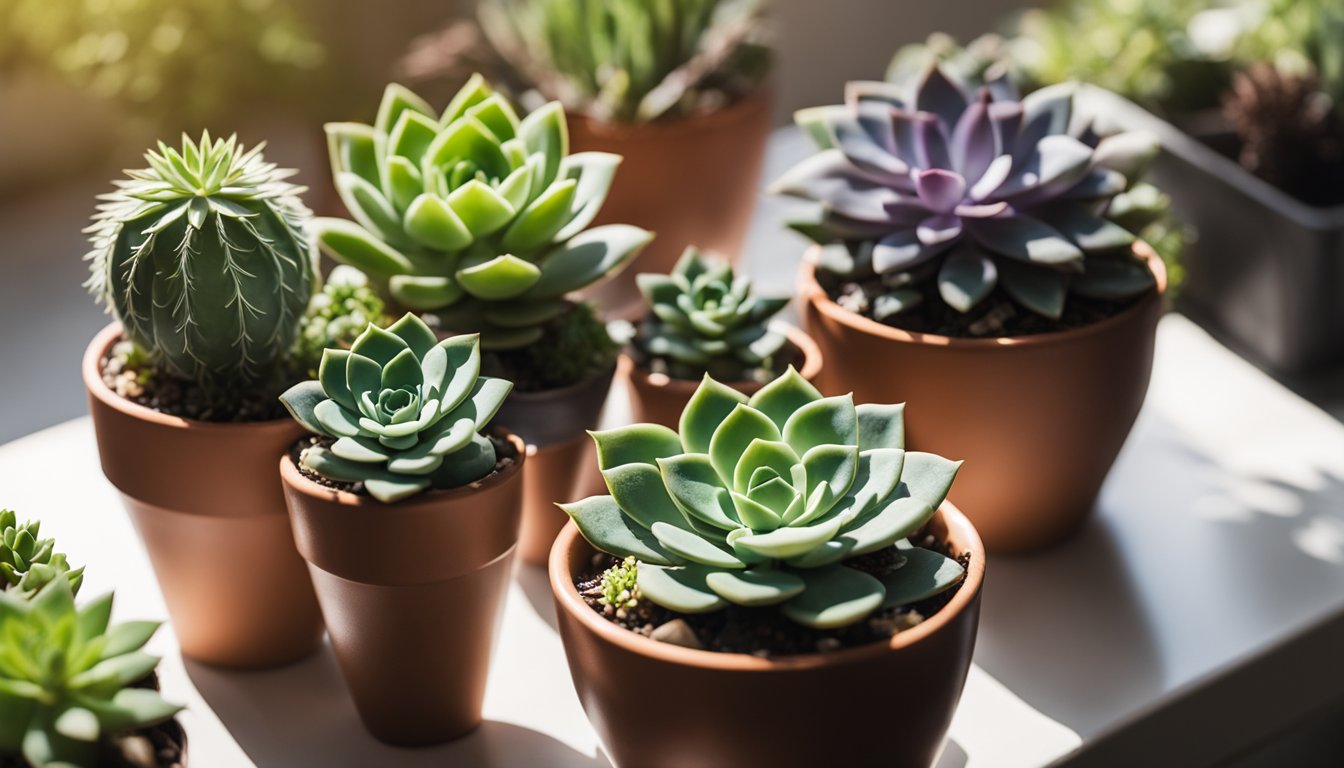
They also make a great display on a desk or windowsill!
Choosing the Right Succulents
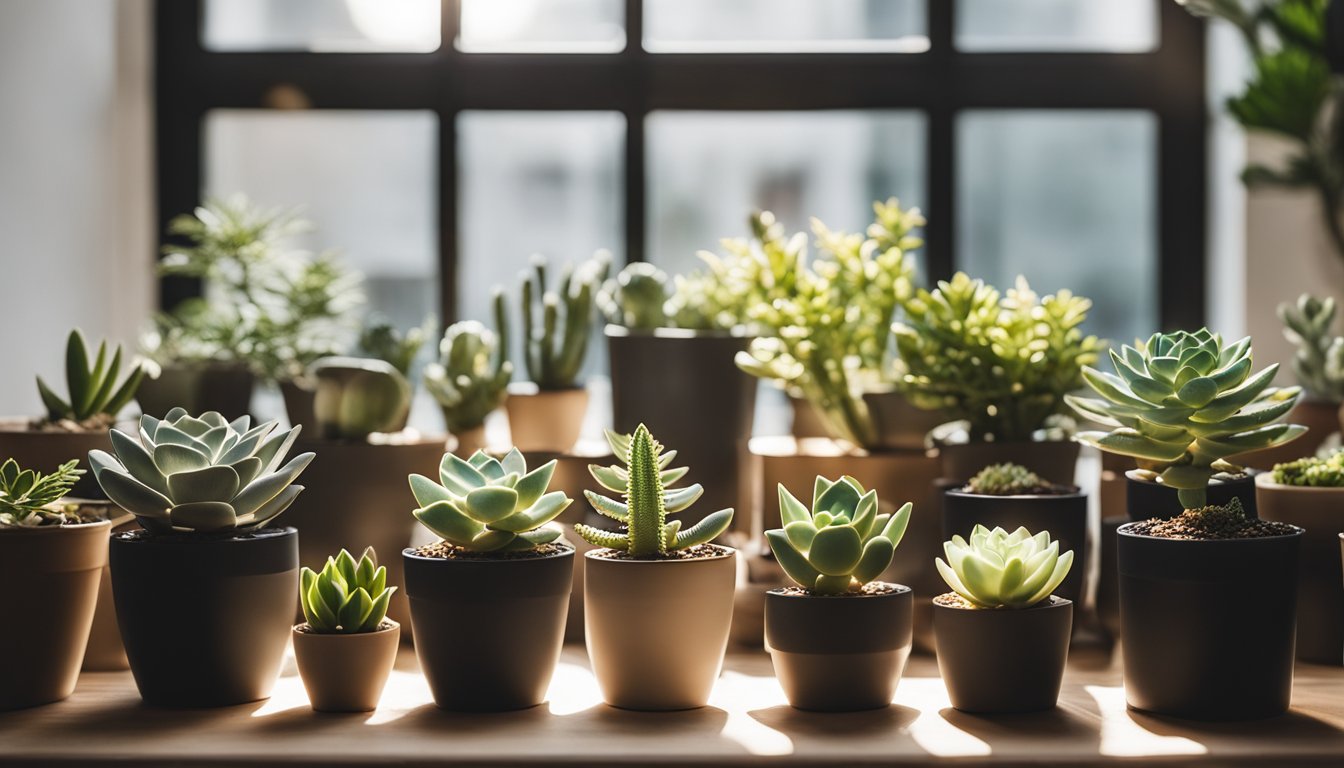
When it comes to indoor succulents, choosing the right ones can make all the difference. Here are some key factors to consider when selecting succulents for your indoor garden.
Light Requirements
Succulents require a lot of light to thrive. When selecting indoor succulents, it’s important to choose plants that can tolerate lower light conditions. Some succulents that do well in low light include the snake plant, haworthia, and zebra cactus. Be sure to place these plants near a window that gets some indirect sunlight.
Watering Needs
One of the biggest mistakes people make with succulents is overwatering. Succulents are adapted to survive in dry conditions, so they don’t need to be watered as frequently as other plants. When selecting succulents for your indoor garden, choose ones that can tolerate drought conditions. Some good options include the jade plant, aloe vera, and string of pearls.
Temperature Tolerance
Most succulents are adapted to warm, dry environments. When selecting indoor succulents, it’s important to choose plants that can tolerate cooler temperatures. Some succulents that do well in cooler environments include the echeveria, sedum, and kalanchoe. Be sure to keep these plants away from drafts and cold windows.
By considering these factors, you can choose indoor succulents that are well-suited to your environment and easy to care for.
Top 5 Indoor Succulents
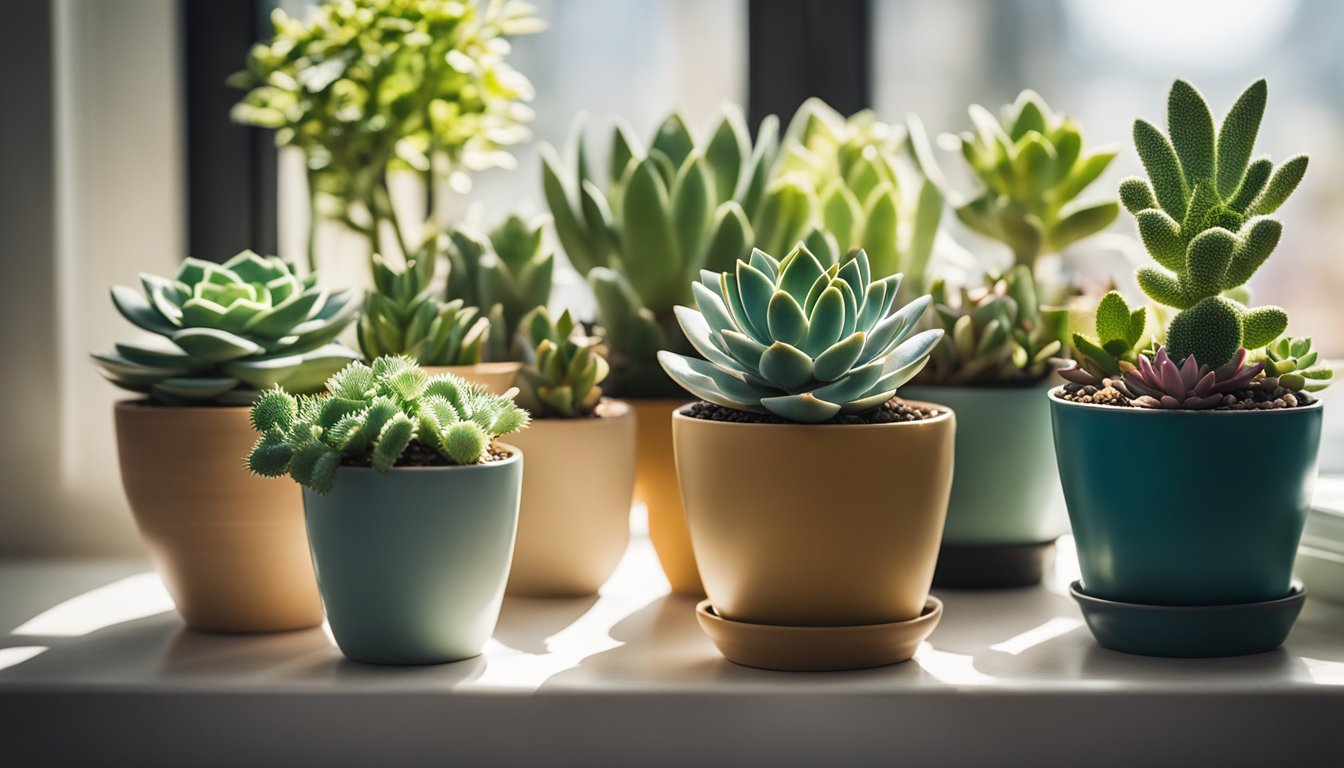
Succulents are a popular choice for indoor plants because they are low-maintenance and add a touch of greenery to any space. Here are our top 5 indoor succulents that are easy to grow and care for:
Aloe Vera
Aloe Vera is a versatile succulent that is known for its medicinal properties. It is easy to care for and can grow up to 3 feet tall indoors and even bigger when it’s in its correct planting zone outdoors.
Aloe Vera plants prefer bright, indirect sunlight and well-draining soil. They also require minimal watering, so be sure to let the soil dry out completely before watering again.
Along with being a beautiful statement plant to have in your house, you can use the gel from the leaves of the aloe vera plant to treat burns and bug bites!
Echeveria
Often, when you order succulents online, you’ll receive a mix of unidentified cuttings or small specimens. Generally, at least one is an Echeveria.
The Echeveria genus is large and varied, and often serves (sometimes erroneously) as a catch-all category for any rosette of uncertain definition. It is part of the stonecrop family, Crassulaceae.
Echeveria is a beautiful succulent that comes in a variety of colors and shapes, but is most commonly known for its rosette shape. It is perfect for indoor spaces because it can tolerate low light conditions. Echeveria plants prefer well-draining soil and only need to be watered when the soil is completely dry. They also benefit from occasional fertilization with a succulent-specific fertilizer.
All you need to keep them happy is to provide full sun to part shade and sandy, well-drained soil. Fertilizer is not necessary, but if you must, use a low-nitrogen, slow-release variety. And when you water, sprinkle the soil, not the leaves, to protect the waxy coating and inhibit rotting.
Jade Plant
The jade plant (Crassula ovata) is also known as the “money tree”. This succulent has thick, oval-shaped leaves that can range from a light green to a deep, dark green. It is a slow-growing plant that can eventually reach up to three feet tall, making it a great option for those who want a larger indoor plant. Jade plants are also believed to bring good luck and fortune, making them a popular choice for home decor.
One of the fun things about the Jade Plant is that it can grow from just a small cutting into a small tree! And since its root system is compact it doesn’t require repotting as often so it falls under the super low maintenance plants – which we love!
Snake Plant
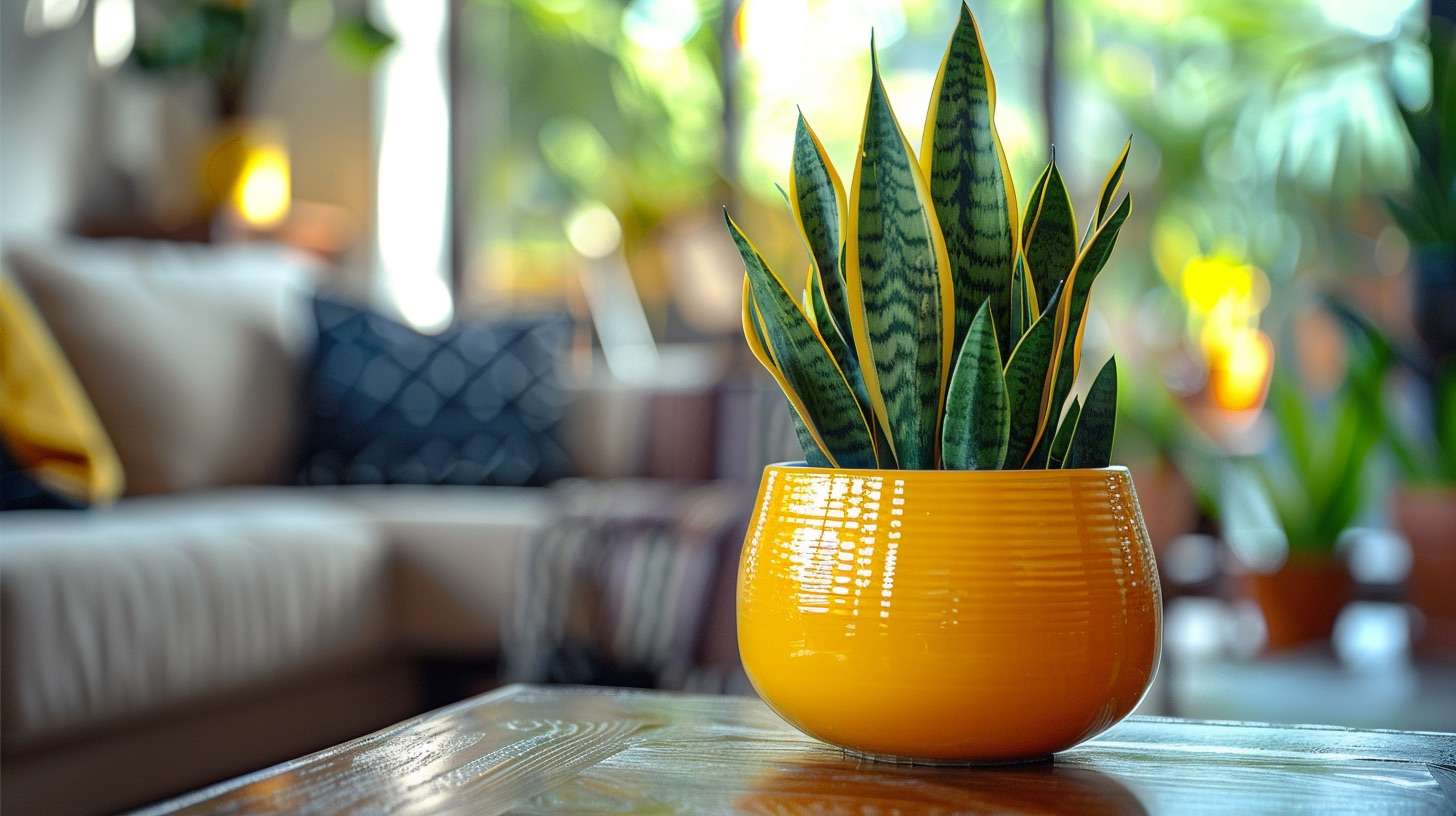
Snake Plant, also known as Sansevieria, is a hardy succulent that can tolerate low light conditions. It is perfect for indoor spaces because it can purify the air and remove toxins. Snake Plants prefer well-draining soil and only need to be watered when the soil is completely dry. They also benefit from occasional fertilization with a succulent-specific fertilizer.
Next up is the snake plant (Sansevieria trifasciata), also known as the “mother-in-law’s tongue”. This succulent has long, upright leaves that are green with yellow edges. It is known for its ability to purify the air, making it a great option for those who suffer from allergies or want to improve the air quality in their home. The snake plant is also very low maintenance and can tolerate a wide range of lighting conditions, making it a perfect choice for beginners.
Zebra Plant
Zebra Plant, also known as Haworthia fasciata, is a unique succulent that has a striped pattern on its leaves. It is easy to care for and can tolerate low light conditions. Zebra Plants prefer well-draining soil and only need to be watered when the soil is completely dry. They also benefit from occasional fertilization with a succulent-specific fertilizer.
In summary, these top 5 indoor succulents are easy to care for and add a touch of greenery to any indoor space. With minimal watering and well-draining soil, these succulents can thrive in a variety of conditions.
Caring for Your Indoor Succulents
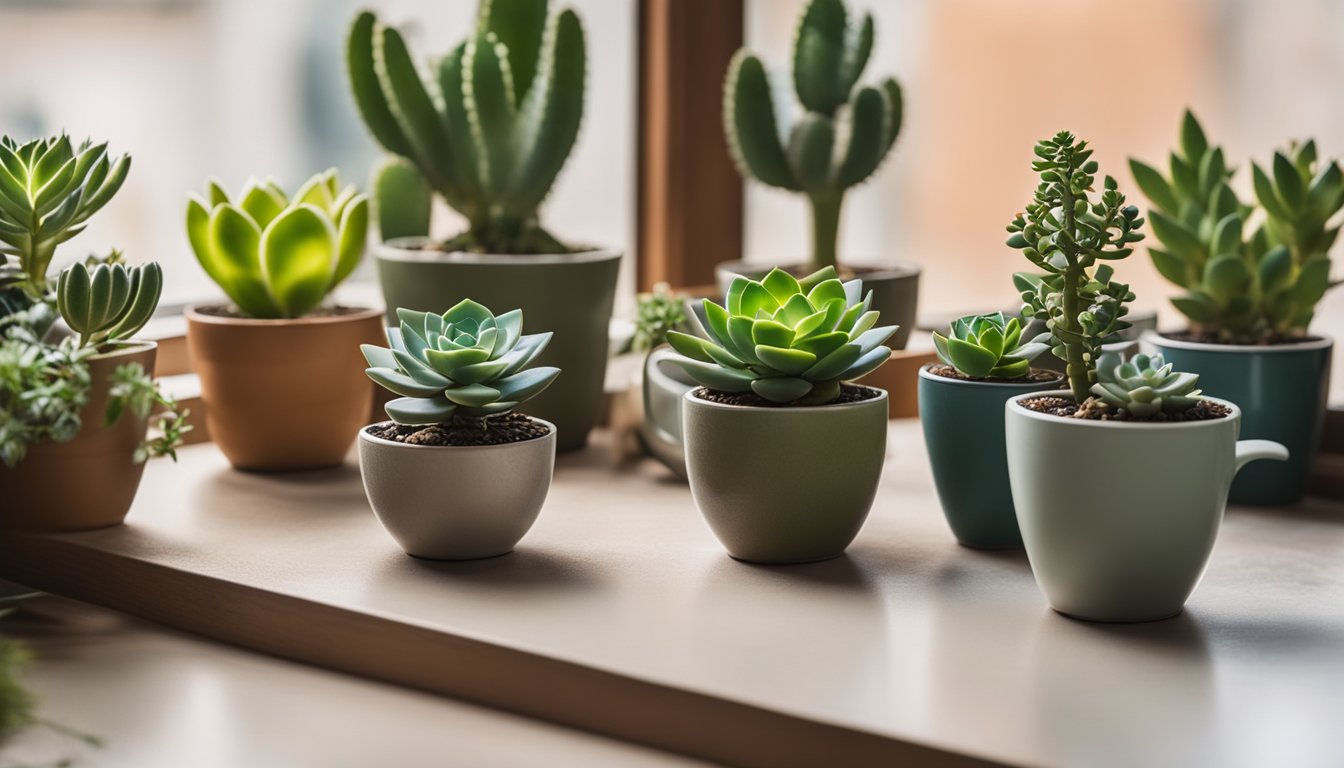
Growing succulents indoors can be an easy and rewarding way to add greenery to your home. However, it’s important to care for them properly to ensure their health and longevity. Here are some tips to help you care for your indoor succulents.
Proper Soil Mix
Succulents require well-draining soil to prevent root rot. We recommend using a soil mix specifically designed for cacti and succulents. You can also make your own mix by combining equal parts of potting soil, coarse sand, and perlite. Avoid using garden soil, as it can be too heavy and retain too much moisture.
Fertilizing Schedule
Succulents don’t require frequent fertilization, but they can benefit from occasional feeding during their growing season. We recommend using a balanced fertilizer with an NPK ratio of 10-10-10. Apply the fertilizer once a month, following the instructions on the package. Be sure to water your succulents before fertilizing to prevent burning their roots.
Pest Prevention
Succulents are generally low-maintenance and pest-resistant, but they can still fall victim to common indoor pests such as mealybugs and spider mites. To prevent infestations, inspect your succulents regularly and remove any dead or damaged leaves. You can also wipe down the leaves with a damp cloth to remove dust and debris. If you do notice pests, treat them promptly with an insecticidal soap or neem oil, following the instructions on the label.
By following these simple tips, you can enjoy healthy and thriving indoor succulents. Remember to give them plenty of bright, indirect light and water only when the soil is dry to the touch. Happy growing!
Troubleshooting Common Issues
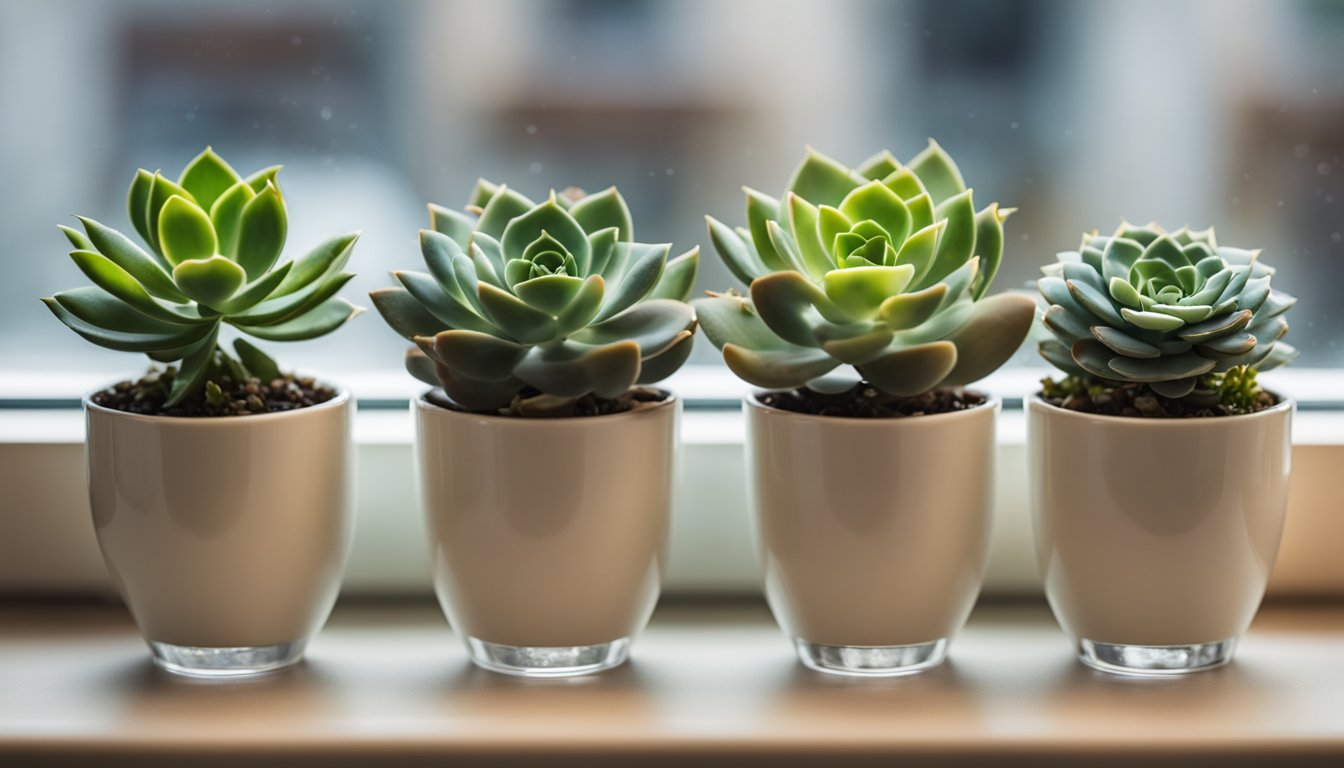
When growing indoor succulents, it’s important to know how to troubleshoot common issues. Here are some tips to help you identify and solve problems that might arise.
Overwatering Symptoms
Overwatering is one of the most common problems when growing succulents. Signs of overwatering include yellowing leaves, mushy stems, and a foul odor. If you notice these symptoms, it’s important to stop watering your succulent immediately.
To fix overwatering, you should remove the plant from its pot and inspect the roots. If they’re brown and mushy, you’ll need to prune away the damaged roots and repot the plant in fresh soil. Be sure to let the soil dry out completely before watering again.
Underwatering Signs
Underwatering is another common issue that can cause succulents to wilt and die. Signs of underwatering include shriveled leaves, dry soil, and a dull color. If you notice these symptoms, it’s important to water your succulent right away.
To fix underwatering, you should water your succulent thoroughly until water runs out of the drainage holes. Be sure to let the soil dry out completely before watering again.
Lighting Problems
Succulents need bright, indirect light to thrive. If your succulent isn’t getting enough light, it may start to stretch or lean towards the light source. On the other hand, if your succulent is getting too much light, it may develop brown spots or scorched leaves.
To fix lighting problems, you should move your succulent to a brighter or shadier location depending on the issue. You can also use sheer curtains or blinds to filter the light if needed.
By knowing how to troubleshoot common issues, you can ensure that your indoor succulents stay healthy and thrive.
Displaying Your Succulents
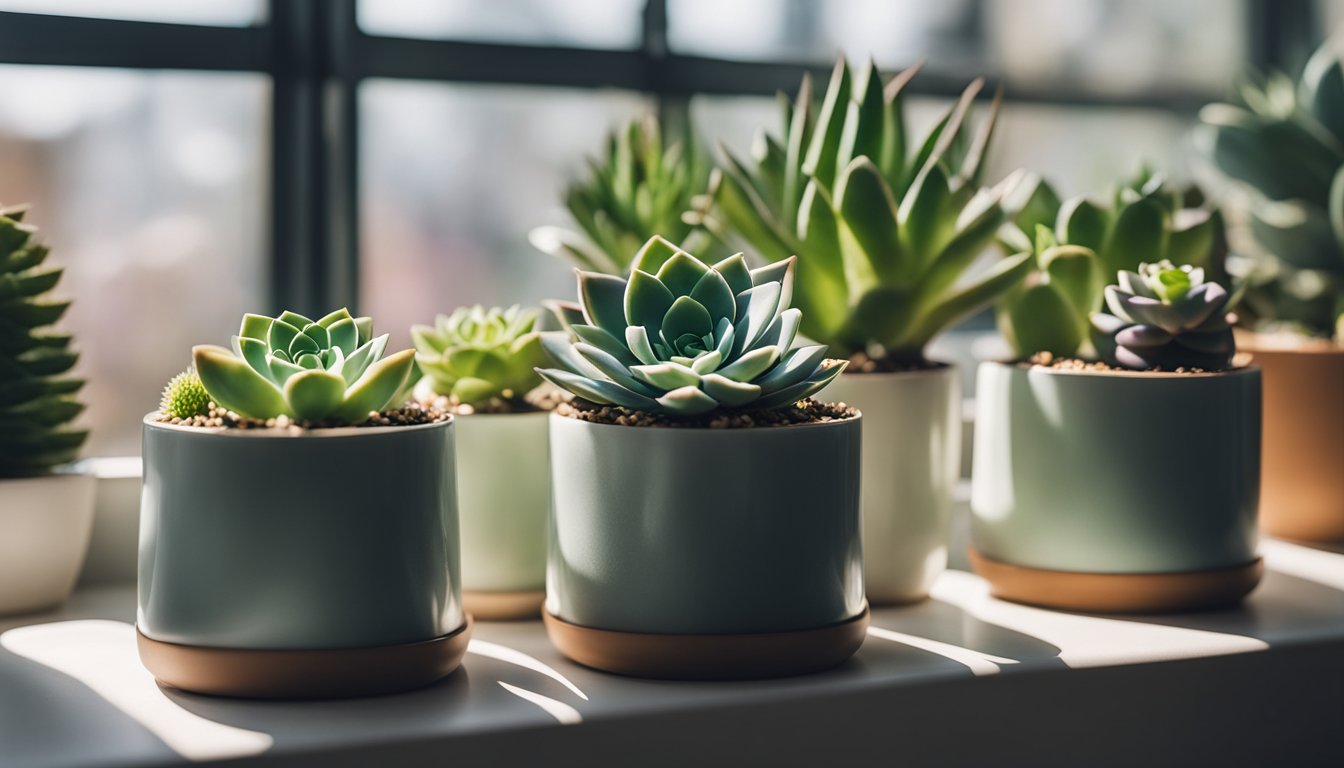
When it comes to displaying your indoor succulents, there are a few things to keep in mind to ensure they look their best. Here are some tips and ideas to help you create a beautiful display:
Container Selection
Choosing the right container for your succulents is important both for their health and appearance. Here are some things to consider:
- Drainage: Succulents need well-draining soil, so make sure your container has drainage holes to prevent water from pooling at the bottom.
- Size: Choose a container that fits the size of your succulent. A container that is too small can stunt growth, while a container that is too large can lead to over-watering.
- Material: Succulents can be grown in a variety of containers, including ceramic, terracotta, and even glass. Just make sure the material is appropriate for the plant’s needs. For example, terracotta allows for better airflow and drainage than glass.
Arrangement Ideas
Once you have your containers, it’s time to think about how to arrange your succulents. Here are some ideas to get you started:
- Grouping: Grouping succulents of different sizes and shapes together in a shallow container can create a visually interesting display.
- Vertical Garden: Create a vertical garden by attaching small containers to a wall or hanging them from a ceiling. This is a great option for small spaces.
- Terrarium: Succulent terrariums are a popular option and can be made in a variety of sizes and shapes. Just make sure to choose succulents that are appropriate for the size of your container.
By following these tips and ideas, you can create a beautiful and healthy display of indoor succulents.
Be sure to check out our Pinterest account for lots of great inspiration!